Hiring teams are under pressure to move faster, reduce bias, improve candidate experience, and identify stronger talent before competitors do. One way video platforms have become a practical solution because they allow recruiters to evaluate candidates through pre-recorded responses, structured questions, and consistent screening workflows. Instead of relying only on resumes or phone screens, recruiters can see how applicants communicate, think, and respond to job-related prompts early in the process.
TLDR: One way video platforms help recruiters find better candidates by making early screening more structured, efficient, and consistent. Recruiters use them to assess communication skills, motivation, job knowledge, and culture alignment before scheduling live interviews. These tools can reduce time to hire, improve collaboration among hiring teams, and create a more flexible experience for candidates. When used thoughtfully, they support better decisions without replacing human judgment.
What One Way Video Platforms Are
A one way video platform is a hiring tool that allows candidates to record answers to pre-set interview questions on their own time. Unlike live video interviews, there is no recruiter on the other side of the call in real time. The recruiter creates the interview, chooses the questions, sets time limits, and invites candidates to respond by a deadline.
Once candidates submit their recordings, recruiters and hiring managers can review them when convenient. They can rate responses, leave notes, compare applicants, and decide who should move forward. This makes the process more flexible for both sides, especially when candidates and hiring teams are in different time zones or balancing busy schedules.
These platforms are commonly used for roles where communication, problem solving, customer interaction, leadership, or presentation skills matter. They are also useful in high-volume recruiting, such as graduate hiring, retail, sales, hospitality, customer support, and healthcare administration.
Why Recruiters Use One Way Video Screening
Recruiters often have to evaluate large numbers of applicants quickly. A traditional screening process may involve reviewing resumes, sending emails, scheduling phone calls, conducting short interviews, and writing notes afterward. This can take days or weeks, especially when many candidates appear equally qualified on paper.
One way video platforms help recruiters create a more efficient first-round assessment. Instead of spending 20 minutes on every phone screen, a recruiter can review a few minutes of recorded answers and quickly identify the strongest applicants. This does not mean candidates are judged superficially. Rather, it allows recruiters to focus live interview time on people who already show relevant potential.
Recruiters also use these platforms because they provide a consistent interview structure. Every candidate receives the same questions, instructions, time limits, and evaluation criteria. That consistency makes comparisons fairer and helps reduce the influence of unplanned conversational differences that can happen during informal phone screens.
How Recruiters Design Better Screening Questions
The quality of a one way video interview depends heavily on the questions recruiters ask. Strong recruiters avoid vague prompts such as “Tell me about yourself” as the only question. Instead, they design questions that connect directly to the role.
For example, a recruiter hiring for a customer support position may ask:
- “Describe a time when a customer was upset. How did the candidate handle the situation?”
- “How would the candidate explain a complicated product issue to someone with no technical background?”
- “What does excellent service mean in a high-pressure environment?”
For a sales role, the recruiter may ask a candidate to record a short product pitch or explain how they handle rejection. For a management role, the questions may focus on coaching, conflict resolution, decision-making, and team motivation.
By asking job-relevant questions, recruiters can evaluate more than personality. They can assess skills, judgment, preparation, clarity, confidence, and practical experience. This helps them identify candidates who are not only qualified on paper but also capable of performing in real workplace situations.
Seeing Beyond the Resume
Resumes are useful, but they are limited. They show work history, education, certifications, and achievements, but they rarely show how a person communicates, organizes ideas, or responds under pressure. A candidate with a modest resume may be articulate, thoughtful, and highly motivated. Another candidate with an impressive resume may struggle to explain their experience clearly.
One way video platforms give recruiters an additional layer of insight. They can observe whether a candidate answers the question directly, provides examples, and demonstrates enthusiasm for the role. They can also hear tone, pacing, and communication style, which can be important for jobs involving clients, patients, students, team members, or executives.
This does not mean recruiters should judge candidates based on appearance, background, accent, or recording quality. Responsible recruiters focus on job-related indicators. The best platforms and hiring teams use structured scorecards to keep evaluations focused on relevant competencies.
Improving Speed Without Sacrificing Quality
Speed is one of the biggest advantages of one way video interviewing. In competitive talent markets, strong candidates may leave the market quickly. If a company waits too long to schedule initial calls, it may lose qualified people to faster employers.
With one way video platforms, recruiters can invite candidates as soon as they pass an initial resume review. Candidates can complete the interview after work, during a lunch break, or whenever they have privacy and time. Recruiters can then review submissions in batches, often reducing the first screening stage from several days to a matter of hours.
This speed benefits hiring managers as well. Instead of waiting for a recruiter to summarize phone screens, managers can watch selected responses and form their own opinions. A shared platform allows the team to compare notes quickly and make better-informed shortlist decisions.
Helping Hiring Teams Collaborate
Hiring decisions are rarely made by one person. Recruiters, department managers, team leads, and sometimes executives all have opinions. Without a shared system, feedback can become scattered across emails, spreadsheets, and informal conversations.
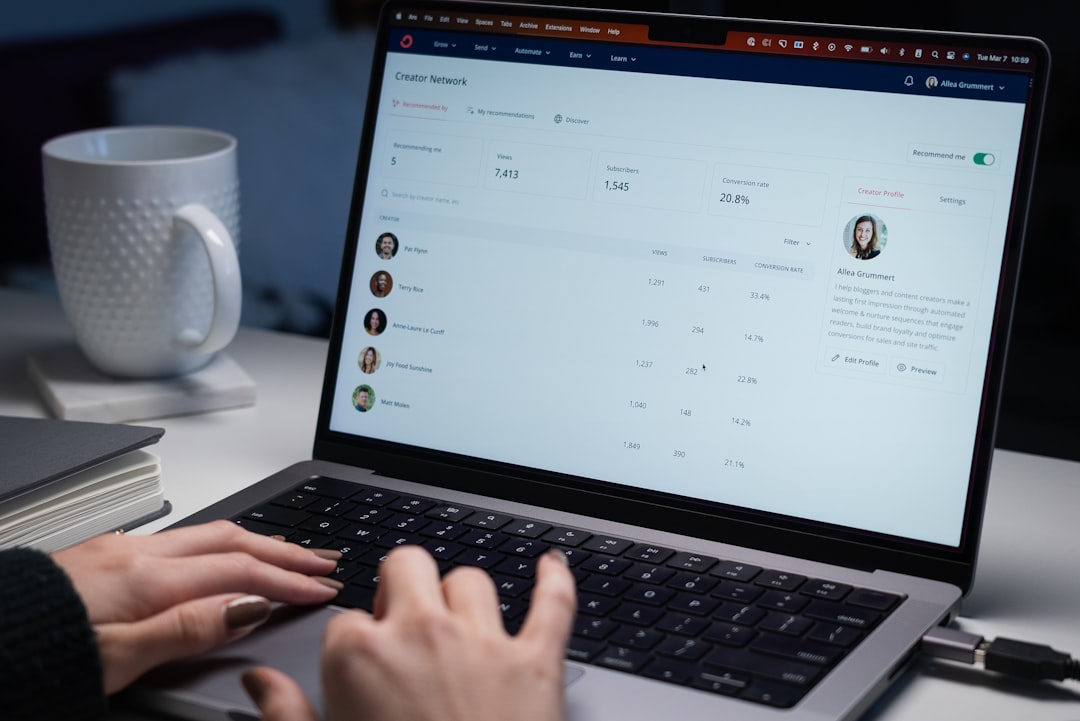
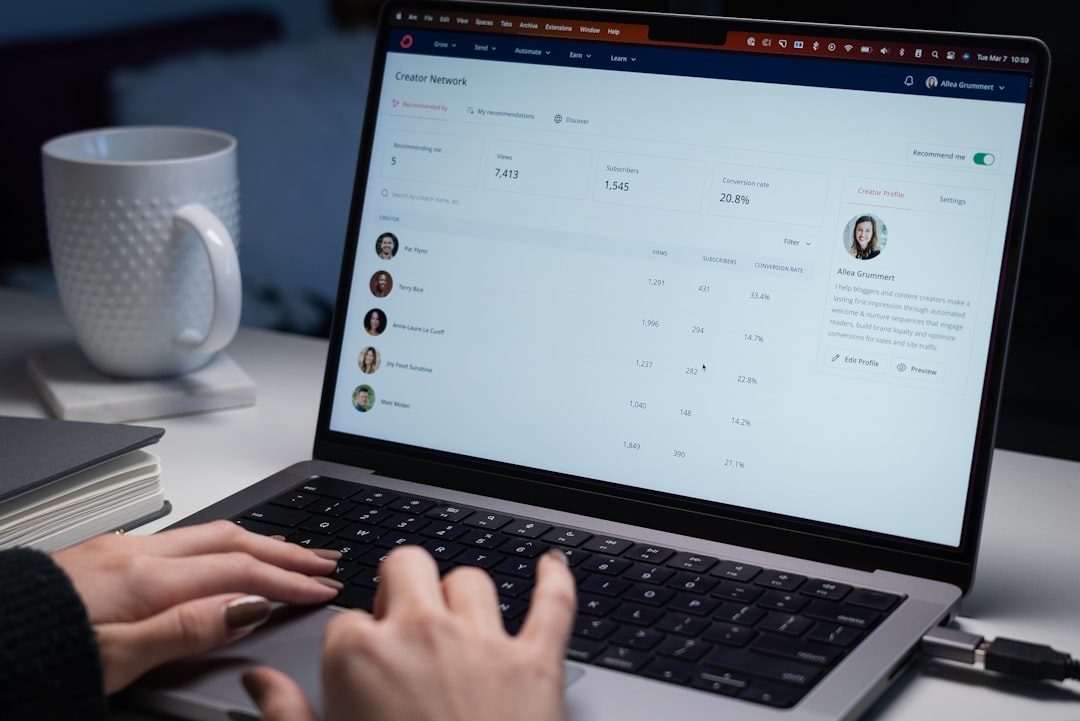
One way video platforms centralize candidate information. Recruiters can invite hiring managers to review recordings, rate answers, and leave comments. This creates a more transparent process and reduces misunderstandings. If one manager strongly supports a candidate, others can watch the same response and understand why.
Collaboration is especially valuable when recruiters support multiple departments or locations. A regional manager, head office leader, and local supervisor can all review candidates without needing to attend the same live interview. This improves alignment and helps the organization move forward with confidence.
Supporting Fairer and More Structured Evaluation
Fairness in hiring requires consistency. When phone screens are casual and unstructured, different candidates may be asked different questions. Some may receive extra time, hints, or follow-up prompts, while others may not. This can make comparisons less reliable.
One way video platforms make it easier to standardize the early interview stage. Recruiters can choose the same questions for every applicant and use the same scoring rubric. A scorecard might include categories such as:
- Relevant experience
- Communication clarity
- Problem-solving ability
- Role motivation
- Customer or stakeholder awareness
When recruiters evaluate each answer against clear criteria, decisions become more evidence-based. This can help reduce bias, though it does not eliminate it automatically. Organizations still need recruiter training, inclusive question design, accessibility options, and regular review of hiring outcomes.
Improving the Candidate Experience
Some employers assume candidates prefer live interviews, but many appreciate the flexibility of one way video screening. Candidates do not always need to take time off work, commute, or coordinate calendars for an early-stage conversation. They can prepare, choose a quiet location, and complete the interview at a convenient time.
A positive candidate experience depends on how the recruiter sets up the process. Clear instructions are essential. Candidates should know how many questions there are, how much time they have, whether they can re-record answers, and when they can expect feedback. Recruiters should also explain why the company uses video screening and how the recordings will be reviewed.
When handled well, one way video interviews can feel professional and respectful. When handled poorly, they can feel impersonal. The difference is usually communication. Recruiters who provide context, reasonable deadlines, and accessible support create a better experience.
Finding Potential in High-Volume Hiring
High-volume recruiting is one of the strongest use cases for one way video platforms. When a company receives hundreds or thousands of applications, recruiters need a way to identify capable candidates without overwhelming the hiring team.
For entry-level or early-career roles, many candidates may have similar resumes. Video responses allow recruiters to spot qualities that are difficult to capture in written applications, such as professionalism, curiosity, confidence, and service mindset. A candidate who lacks extensive experience may still show strong potential through thoughtful answers and a genuine interest in the company.
Recruiters can also use knockout questions, short assessments, and video prompts together. This layered approach helps them narrow the pool while still giving candidates a chance to demonstrate strengths beyond keywords.
Using Video Platforms for Skill-Based Hiring
Many organizations are shifting toward skill-based hiring, where applicants are evaluated on what they can do rather than only where they studied or previously worked. One way video interviews can support this approach by including practical prompts.
For example, a marketing candidate may be asked to explain how they would improve a campaign. A teacher may be asked to describe how they would engage a distracted student. A project manager may be asked to walk through how they would handle a delayed deadline.
These responses give recruiters insight into real thinking patterns. They reveal whether the candidate understands the work, can apply knowledge, and communicates solutions clearly. This can help employers discover talented candidates who may not fit a traditional profile but can still succeed in the role.

Best Practices Recruiters Follow
Recruiters who get the best results from one way video platforms usually follow a clear set of practices. They do not simply send generic questions and hope for useful answers. They design the experience carefully.
- They keep interviews short. A first-round video screen should usually be concise, often between three and six questions.
- They ask job-related questions. Questions should measure skills, motivation, and realistic workplace judgment.
- They use structured scorecards. This keeps reviewers focused on consistent, relevant criteria.
- They communicate clearly. Candidates should understand the purpose, deadline, and next steps.
- They consider accessibility. Alternative formats or accommodations should be available when needed.
- They avoid over-reliance on video. Video screening should support decisions, not replace deeper interviews and assessments.
Common Mistakes to Avoid
One way video platforms can be powerful, but they can also be misused. A common mistake is making the process too long. If candidates are asked to complete a lengthy unpaid interview before speaking with anyone, they may feel undervalued and drop out.
Another mistake is evaluating candidates on irrelevant factors, such as camera quality, room background, or nervousness. Recruiters should remember that not every strong employee is a polished presenter. The focus should remain on the role’s requirements.
Finally, some companies fail to close the loop with candidates. Even automated updates are better than silence. A respectful process protects the employer brand and encourages candidates to apply again in the future.
The Future of One Way Video Recruiting
As recruiting technology evolves, one way video platforms are likely to become more integrated with applicant tracking systems, assessments, scheduling tools, and analytics. Recruiters may use data to see which questions best predict success, where candidates drop off, and how different hiring teams evaluate talent.
However, the future of effective recruiting will still depend on human judgment. Technology can organize information, improve consistency, and save time, but recruiters must interpret responses fairly and contextually. The best hiring teams will use one way video platforms as part of a balanced process that combines structure with empathy.
Conclusion
Recruiters use one way video platforms to find better candidates by making early screening more efficient, consistent, and insightful. These tools help hiring teams look beyond resumes, evaluate job-related communication and thinking, and collaborate more effectively. They are especially useful in high-volume hiring and roles where interpersonal skills matter.
When implemented thoughtfully, one way video interviews improve both recruiter productivity and candidate access. They are not a complete replacement for live conversations, assessments, or reference checks. Instead, they serve as a valuable first step that helps recruiters identify the people most worth meeting, while giving candidates a flexible way to show what they can offer.
FAQ
What is a one way video interview?
A one way video interview is a recorded interview where candidates answer pre-set questions without a live interviewer present. Recruiters review the responses later and decide who moves to the next stage.
Why do recruiters use one way video platforms?
Recruiters use them to save time, standardize screening, compare candidates more fairly, and gain insight into communication skills, motivation, and job-related thinking.
Do one way video interviews replace live interviews?
No. They usually replace or support early phone screens. Strong candidates are typically invited to live interviews after the recorded stage.
Are one way video interviews fair?
They can be fair when recruiters use the same questions, clear scoring criteria, accessibility options, and job-related evaluation standards. They should not be used to judge irrelevant personal factors.
What types of roles benefit most from one way video screening?
They are especially useful for customer service, sales, hospitality, graduate programs, administrative roles, healthcare support, management, and any role where communication skills are important.
How can candidates perform well in a one way video interview?
Candidates can perform well by reading instructions carefully, preparing examples, answering questions directly, choosing a quiet location, and focusing on clear, role-relevant responses.