

Creating an apparel logo is not simply a matter of choosing an attractive icon and typing a brand name beside it. In fashion, streetwear, sportswear, workwear, and boutique clothing, the logo often becomes part of the product itself. It may appear on labels, hangtags, embroidery, screen prints, packaging, storefronts, and social media profiles. A professional apparel logo must therefore be memorable, technically usable, and aligned with the values of the brand it represents.
TLDR: A strong apparel logo begins with a clear brand idea, not with decoration. Before using a logo maker or hiring a designer, define your audience, style, market position, and practical production needs. The best results come from simple, scalable designs that work on fabric, tags, websites, and packaging. Treat the logo as a long-term business asset, not just a visual experiment.
Start With the Brand Before the Logo
Every serious logo design process begins with strategy. Apparel is a crowded market, and many brands fail to stand out because their visuals are based on trends rather than identity. Before opening any apparel logo maker, spend time clarifying what your brand stands for.
Ask direct questions:
- Who is the customer? Are you designing for athletes, professionals, skaters, luxury buyers, children, or outdoor enthusiasts?
- What is the price position? A premium label requires a different visual language than an affordable casualwear line.
- What emotional impression should the brand create? Options may include confidence, rebellion, elegance, comfort, sustainability, or durability.
- Where will the logo appear most often? A chest print has different requirements from a woven neck label or e commerce profile image.
These answers help prevent generic design choices. For example, a minimalist serif wordmark may suit a luxury basics label, while a bold geometric emblem may better serve a performance sportswear company. The logo should feel inevitable for the brand, not interchangeable with dozens of competitors.
Understand the Main Types of Apparel Logos
Most apparel logos fall into a few practical categories. Understanding these formats makes it easier to choose the right direction.
- Wordmark: A logo based primarily on the brand name. This is effective when the name is distinctive and the typography can carry the identity.
- Lettermark: A design built from initials. This can work well for long brand names or premium fashion labels.
- Icon or symbol: A graphic mark that can be used alone once the brand becomes recognizable.
- Combination mark: A wordmark paired with an icon. This is often the most flexible choice for new apparel businesses.
- Badge or emblem: A contained design, often circular, shield shaped, or patch like. This can be useful for heritage, outdoor, varsity, or workwear brands.
No format is automatically superior. The right choice depends on your business goals, product line, and production methods. A detailed badge may look excellent on a hoodie back print but fail when stitched onto a small sleeve label. A simple wordmark may be less decorative but far more versatile.
Use an Apparel Logo Maker With Discipline
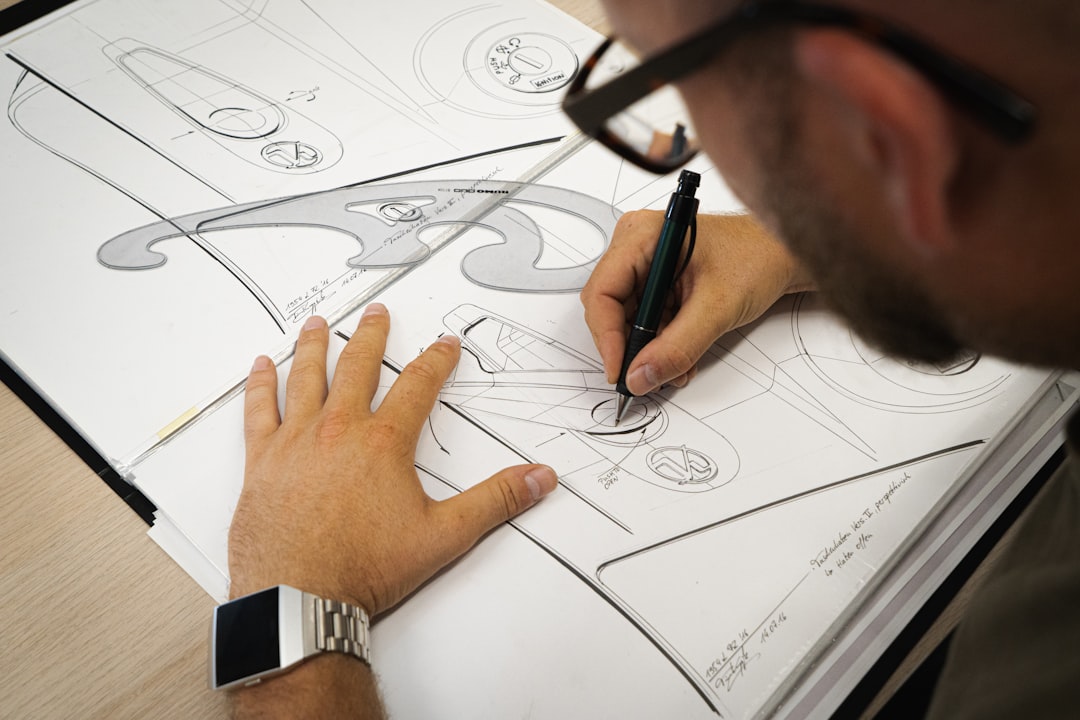
A logo maker can be a helpful starting point, especially for founders who need to explore visual directions quickly. However, it should be used with discipline. The danger is treating prebuilt layouts as finished strategy. Templates can suggest forms, but they cannot decide what your brand means.
When using a logo maker, begin by entering a carefully chosen brand name and a few style words. Use descriptors that reflect strategy rather than vague preference. Instead of simply entering cool or modern, try terms such as technical outdoor, minimal luxury, urban athletic, or organic lifestyle. This gives the design process a clearer direction.
Review generated options critically. Do not choose a logo only because it looks fashionable today. Ask whether it will still feel appropriate in three to five years. Apparel trends move quickly, but a brand identity should have enough stability to support customer recognition over time.
Prioritize Simplicity and Scalability
In apparel design, simplicity is not a lack of creativity. It is often a sign of professional judgment. A logo may need to be embroidered at a width of two centimeters, printed on a care label, stamped on a box, displayed on a mobile screen, and enlarged on a retail wall. If the design depends on tiny details, gradients, or complex textures, it may fail in real production environments.
A professional logo should be tested at multiple sizes. Reduce it until it is very small. If the name becomes unreadable or the symbol becomes unclear, the design needs refinement. Also test it in one color. Many apparel manufacturing methods, such as embroidery, heat transfer, screen printing, debossing, and woven labeling, often require simplified color use.
A useful rule: if the logo cannot work in solid black on a white background and solid white on a dark background, it is probably not ready.
Choose Typography Carefully
Typography is one of the strongest signals in apparel branding. Letterforms can communicate luxury, sport, heritage, softness, aggression, precision, or creativity before a customer reads a single product description. For this reason, font selection deserves serious attention.
Consider these broad categories:
- Serif fonts often suggest tradition, refinement, editorial style, or luxury.
- Sans serif fonts can feel modern, clean, accessible, technical, or minimalist.
- Script fonts may communicate craft, personality, elegance, or casual expression, but they must remain legible.
- Condensed fonts can create a strong vertical or athletic feel.
- Custom lettering can make a brand more ownable, especially in competitive fashion markets.
Avoid fonts that are too common unless they are modified with purpose. If customers feel they have seen the typeface everywhere, the brand may appear less credible. Small adjustments to spacing, letter shape, or proportions can make a wordmark more distinctive while preserving readability.
Select Colors With Production in Mind
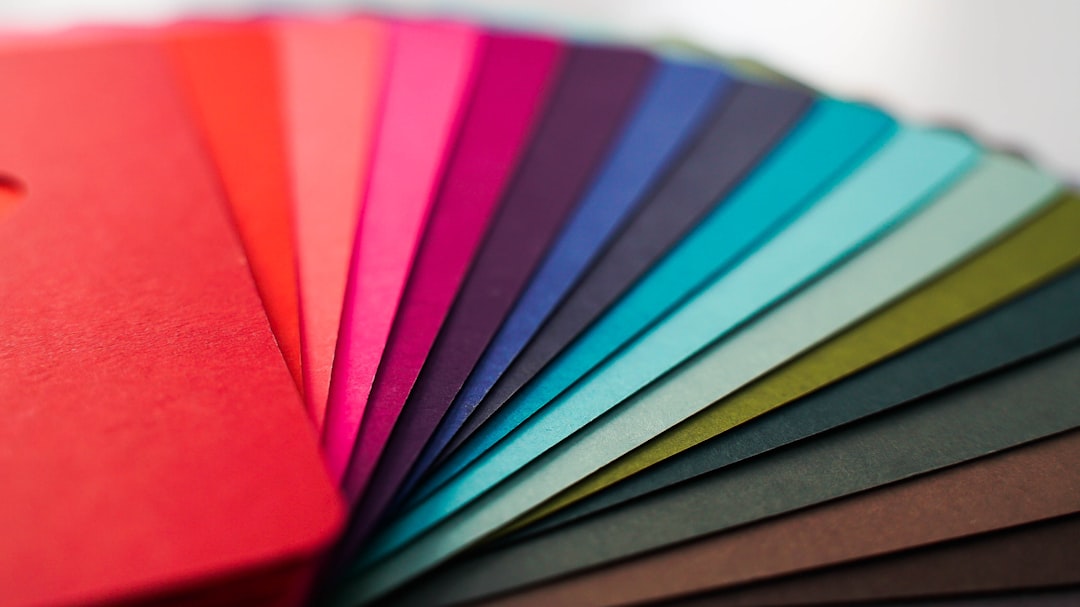
Color is emotional, but in apparel it is also technical. A digital color may look vibrant on screen and dull on cotton. A metallic effect may look impressive in a mockup but be expensive or inconsistent in production. A professional logo system should include practical color specifications for both digital and physical use.
Common apparel logo color strategies include:
- Black and white: timeless, flexible, and suitable for most clothing categories.
- Neutral palettes: useful for premium basics, lifestyle brands, and sustainable fashion.
- High contrast colors: effective for sportswear, youth brands, and streetwear.
- Earth tones: suitable for outdoor, ethical, organic, or heritage focused brands.
- Limited accent colors: helpful when a brand wants recognition without creating production complexity.
Do not rely only on color to make the logo recognizable. The form itself should be strong enough to work without color. This ensures consistency across embroidery, woven labels, rubber patches, monochrome invoices, and supplier documents.
Think About Fabric, Texture, and Application
An apparel logo must survive contact with real materials. A thin elegant mark may print well on paper but disappear on fleece. A complex badge may become messy in embroidery. A wide horizontal wordmark may look awkward on a cap. Professional design decisions are based not only on appearance but also on application.
Before finalizing a logo, list the most likely uses:
- Neck labels and size labels
- Hangtags and packaging
- Chest prints and back prints
- Embroidery on hats, polos, and jackets
- Rubber, leather, or woven patches
- Website headers and social media icons
- Invoices, lookbooks, and wholesale materials
Each use may require a slightly different version. A complete apparel logo system often includes a primary logo, a simplified icon, a horizontal version, a stacked version, and a one color version. This is not excessive; it is practical brand management.
Avoid Common Amateur Mistakes
Many apparel logos look unprofessional because they try to do too much. A new brand may want to include a symbol, slogan, year, location, crown, animal, monogram, and decorative border all in one mark. The result is usually confusion. Strong brands are built through consistency, not overcrowding.
Watch for these problems:
- Too many fonts: Use one or two type styles at most.
- Poor spacing: Uneven letter spacing can make even a good concept feel careless.
- Unclear symbolism: If the icon needs a long explanation, it may not be effective.
- Trend dependence: Effects that are popular this year may look dated quickly.
- Low contrast: A logo must remain visible on different garment colors.
- Overly detailed artwork: Complex designs can create manufacturing issues and higher costs.
Professionalism is often achieved by removing unnecessary elements. A disciplined logo feels confident. It does not need to shout.
Check Originality and Legal Risk
Trustworthy branding requires respect for originality. Before launching an apparel logo, research similar marks in your market. Search competitors, online stores, social platforms, and trademark databases relevant to your country or sales region. This step is especially important in apparel because logos often appear prominently on products and can be central to brand recognition.
If the brand is serious, consult a qualified trademark attorney or legal professional before investing heavily in production. A logo that creates legal conflict can lead to rebranding costs, unsold inventory, packaging waste, and reputational damage. Legal clearance is not the most exciting part of the design process, but it is one of the most responsible.
Prepare Professional Logo Files
Once the design is approved, file preparation matters. A logo copied from a low resolution image is not sufficient for manufacturing or professional marketing. Apparel businesses should maintain organized master files and export formats.
At minimum, prepare:
- Vector files for printing, scaling, and production work.
- Transparent PNG files for web and digital use.
- JPEG files for general previews and documents.
- One color versions for embroidery, stamps, labels, and simple printing.
- Color codes for digital, print, and production communication.
- Usage guidelines explaining spacing, size, backgrounds, and incorrect uses.
Test the Logo Before Launch
Before ordering thousands of labels or printing a full clothing run, test the logo in realistic conditions. Create mockups across several products and backgrounds. Print a sample hangtag. Embroider a small version if embroidery will be used. Place the logo on a website header and a social media profile image. These tests reveal issues that may not be obvious on a design screen.
It is also useful to gather feedback, but choose the right people. Friends may respond based on personal taste rather than brand strategy. Better feedback comes from potential customers, retail buyers, production partners, or people with branding experience. Ask specific questions: Is it readable? What type of apparel do you expect from this brand? Does it feel premium, casual, technical, youthful, or traditional? Their answers will show whether the logo is communicating correctly.
Build Consistency After the Logo Is Finished
A logo alone does not create a brand. It becomes valuable through repeated, consistent use. Once finalized, apply it carefully across product photography, packaging, garment labels, website design, email templates, social content, and wholesale materials. Consistency builds recognition and trust.
Avoid changing the logo too often. Young apparel brands sometimes revise their identity every few months because they are chasing a new aesthetic. This confuses customers and weakens memory. Refinement is sometimes necessary, but constant reinvention suggests uncertainty. If the original strategy is solid, let the identity grow through use.
Conclusion
An apparel logo maker can help transform an idea into a presentable design, but the quality of the outcome depends on the thinking behind it. The most professional logos are not merely attractive; they are strategic, simple, scalable, original, and production ready. They reflect the audience, the product, the price point, and the long term ambition of the brand.
Approach the process as a business decision as much as a creative exercise. Define the brand clearly, explore options carefully, test designs under real conditions, and prepare proper files before launch. A well designed apparel logo can support customer recognition for years, appearing not only on clothing but also in the reputation and trust your brand earns over time.