
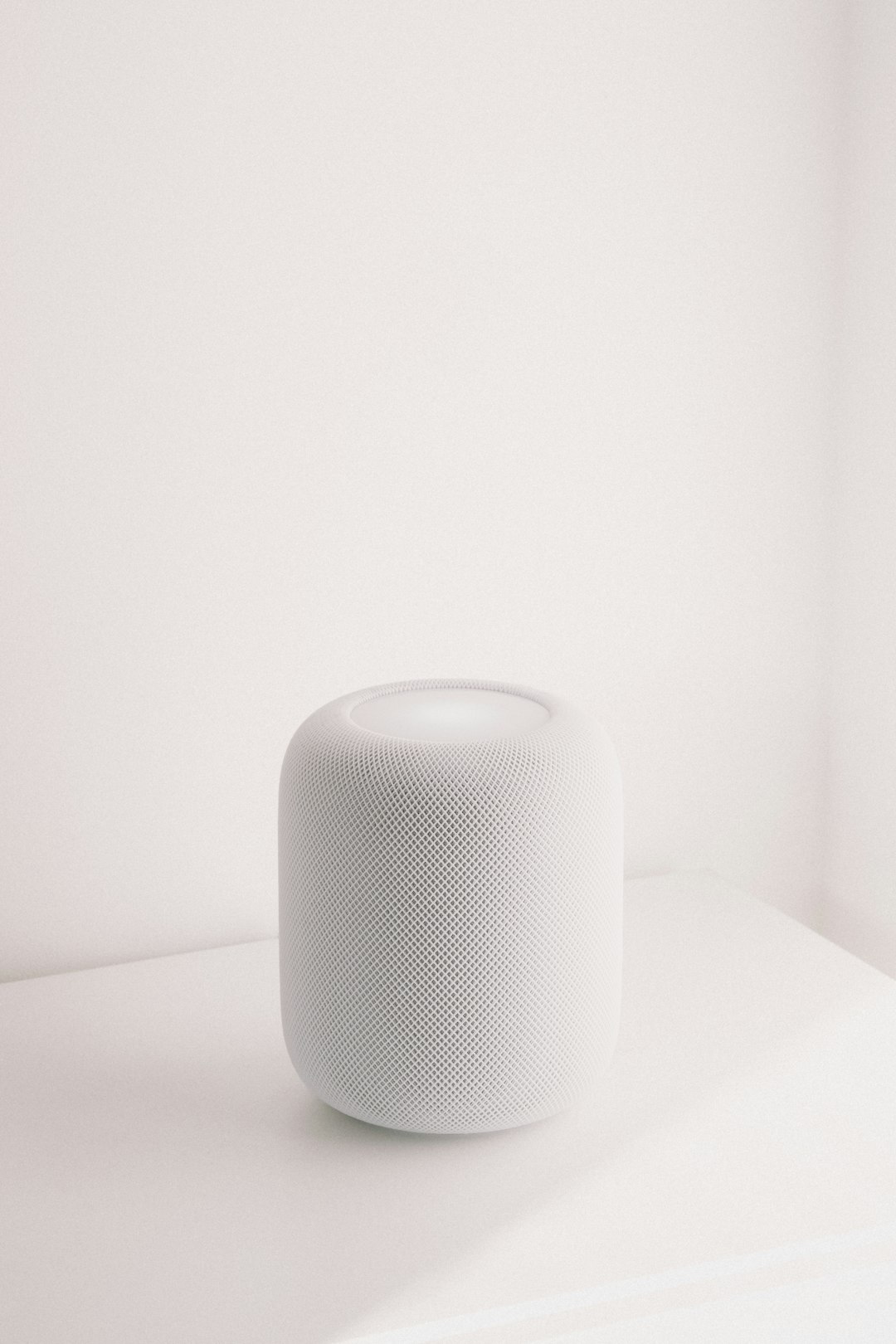
Voice assistant platforms with smart home integration have transformed the way households interact with technology. What once required manual switches, remotes, or physical controls can now be managed with a simple voice command. From adjusting lighting and thermostats to locking doors and managing entertainment systems, voice-enabled ecosystems are redefining convenience, accessibility, and automation in modern living spaces. As these platforms continue to evolve, they are becoming more intelligent, personalized, and deeply embedded into daily routines.
TLDR: Voice assistant platforms such as Amazon Alexa, Google Assistant, and Apple Siri have become central hubs for smart home integration. They allow users to control lighting, security, appliances, and entertainment systems with simple voice commands. These platforms rely on cloud computing, artificial intelligence, and growing ecosystems of compatible devices. As technology advances, voice assistants are becoming more secure, personalized, and essential to connected living.
At the core of this transformation lies the concept of centralized control. Smart home integration connects various devices into a unified ecosystem, with a voice assistant acting as the control hub. Rather than using separate apps for each device, users can issue natural language commands like “Turn off the living room lights” or “Set the thermostat to 72 degrees” and expect immediate results. This fluid interaction between hardware and software represents a significant leap in user experience design.
The Evolution of Voice Assistant Platforms
Voice assistants began as simple digital aides capable of answering basic questions or setting timers. Over time, advancements in artificial intelligence (AI), machine learning, and natural language processing (NLP) dramatically expanded their capabilities. Today’s leading platforms include:
- Amazon Alexa
- Google Assistant
- Apple Siri
- Samsung Bixby
Each platform integrates differently with smart home devices, but all aim to create seamless user experiences. Smart speakers, smart displays, and even televisions now come equipped with built-in voice assistants, making voice control more accessible than ever.

The integration process typically involves connecting smart devices—such as bulbs, locks, cameras, and thermostats—to a central network via Wi-Fi or Bluetooth. The voice assistant platform then communicates with these devices either directly or through cloud-based services. As compatibility standards have improved, interoperability between brands has become more reliable, although some ecosystems still prioritize their own devices.
Core Features of Smart Home Voice Integration
Voice assistant platforms provide a broad range of features that extend far beyond simple voice queries. Key capabilities include:
- Lighting Control: Adjust brightness, change colors, and schedule on/off times.
- Climate Management: Regulate thermostats and air conditioning systems.
- Security Monitoring: Lock or unlock doors, monitor cameras, and arm alarm systems.
- Entertainment Control: Play music, stream video, and manage multi-room audio.
- Routine Automation: Combine multiple actions into a single command.
One of the most powerful aspects of smart home integration is routine creation. For example, a “Good Morning” routine might:
- Turn on bedroom lights gradually.
- Adjust the thermostat.
- Start the coffee maker.
- Provide a weather and news update.
This level of automation highlights how voice assistants move beyond reactive systems into proactive, experience-driven platforms.
Artificial Intelligence and Personalization
Artificial intelligence plays a central role in the success of voice assistant platforms. Machine learning algorithms analyze usage patterns, recognize speech more accurately over time, and offer personalized suggestions. For example, if a user frequently dims the lights at 9 p.m., the assistant may eventually suggest automating that behavior.
Voice recognition technology can also differentiate between users. Multi-user recognition allows each individual in a household to access personalized calendars, playlists, and reminders. This personalization enhances both functionality and security.

Cloud computing further supports personalization. Because most voice data is processed in the cloud, platforms can continuously update features and improve language understanding. However, this reliance on cloud infrastructure has also raised debates around data privacy and security.
Privacy and Security Considerations
As voice assistant platforms become more integrated into daily life, privacy concerns grow increasingly important. Always-on microphones, while necessary for wake-word detection, can raise apprehension among users. To address these concerns, leading platforms provide:
- Microphone mute options
- Voice recording review and deletion tools
- Encrypted communication protocols
- Two-factor authentication for linked accounts
Smart home devices themselves also introduce vulnerabilities if improperly secured. Weak passwords or outdated firmware can expose networks to cyber threats. Therefore, best practices include regularly updating devices, using strong authentication methods, and securing home Wi-Fi networks.
Manufacturers are increasingly implementing on-device processing to reduce reliance on cloud storage. This shift enhances security by keeping more data local while also improving response times.
Interoperability and Emerging Standards
For years, fragmentation across smart home ecosystems created compatibility challenges. A device optimized for one platform might not fully integrate with another. However, the rise of universal standards such as Matter aims to solve this issue.
Matter is a connectivity standard designed to allow devices from different manufacturers to work seamlessly together. With widespread industry support, Matter promises:
- Improved cross-platform compatibility
- Simplified device setup
- Enhanced security protocols
- Long-term scalability
This development signals a major step toward truly unified smart homes, where consumers can choose devices based on preference rather than ecosystem constraints.

Accessibility and Inclusivity
Voice assistant platforms contribute significantly to accessibility. For individuals with mobility impairments, voice commands eliminate the need to physically interact with switches or screens. For elderly users, reminders and automated routines can enhance independence and safety.
Voice interfaces also benefit those with visual impairments by providing auditory feedback and control. As natural language processing continues to improve, assistants are better able to understand diverse accents and speech variations, making technology more inclusive.
Commercial and Enterprise Applications
Although predominantly associated with residential settings, voice assistant platforms are increasingly used in commercial environments. Hotels use voice-enabled systems to allow guests to control room settings. Offices integrate smart assistants to manage meeting rooms, lighting, and equipment. Healthcare facilities employ voice technology for hands-free data access and patient support.
This expansion illustrates the versatility of voice-controlled ecosystems. What began as a convenience tool has evolved into a comprehensive interaction model across industries.
The Future of Voice Assistant Smart Homes
The future of voice assistant platforms lies in greater contextual awareness and predictive intelligence. Emerging developments include:
- Advanced contextual understanding that anticipates needs based on time, location, and behavior.
- Emotion recognition to adjust responses based on vocal tone.
- Deeper IoT integration connecting appliances, vehicles, and wearable devices.
- Edge computing enhancements for faster local processing.
As 5G networks and edge AI become more prevalent, voice assistants will respond faster and operate with reduced latency. Integration with augmented reality and wearable devices may further expand their utility.
Ultimately, the smart home is moving toward becoming a responsive environment rather than a collection of connected devices. Voice assistants are positioned to serve as the central intelligence layer, translating human intent into automated action.
Conclusion
Voice assistant platforms with smart home integration represent a pivotal shift in human-technology interaction. By combining artificial intelligence, cloud computing, and IoT connectivity, these systems transform ordinary houses into adaptive living environments. While challenges related to privacy, security, and interoperability remain, ongoing innovation continues to address these concerns. As adoption grows and technology advances, voice-enabled smart homes are likely to become the standard rather than the exception.
Frequently Asked Questions (FAQ)
-
1. What is a voice assistant platform?
A voice assistant platform is a software ecosystem that enables users to interact with devices using spoken commands. Examples include Amazon Alexa, Google Assistant, and Apple Siri. -
2. How do voice assistants integrate with smart home devices?
They connect through Wi-Fi, Bluetooth, or dedicated hubs, allowing centralized control via voice commands or companion apps. Cloud services often facilitate communication between devices. -
3. Are voice assistant smart homes secure?
When configured correctly with strong passwords, encryption, and regular updates, they are generally secure. Users should also review privacy settings and enable authentication features. -
4. Can multiple users share one voice assistant?
Yes. Many platforms offer voice recognition features that distinguish between users, enabling personalized responses and account access. -
5. What devices can be controlled with voice assistants?
Common devices include lights, thermostats, locks, cameras, speakers, TVs, kitchen appliances, and even robotic vacuums. -
6. Do voice assistants require an internet connection?
Most features rely on internet connectivity for cloud processing, although some newer models support limited offline functionality.