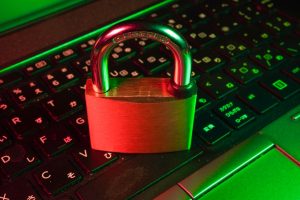
Your password is like the key to your digital house. It protects your email, bank, photos, games, school files, work tools, and probably a few weird shopping carts you forgot about. A weak password is like hiding your key under the doormat. A strong password is like giving your house a dragon, a moat, and a very grumpy goose.
TLDR: Make your password long, weird, and personal to you. Use a passphrase, like a tiny silly sentence, instead of one short word. Add numbers and symbols in a way you can remember. Use a different password for every important account, and let a password manager help.
Why Strong Passwords Matter
Hackers do not usually sit in dark rooms guessing your password by hand. That would be slow. And boring. Instead, they use programs that try millions or billions of guesses very fast.
These programs love bad passwords. They eat them like popcorn.
Passwords like these are weak:
- password
- 123456
- qwerty
- iloveyou
- letmein
- yourname123
They are easy to remember. But they are also easy to crack. That is not a good trade.
Your goal is simple. You want a password that is easy for you and hard for everyone else.
That sounds like magic. But it is not. It is just a smart recipe.
The Secret Sauce: Length Beats Weirdness
Many people think a strong password must look like a robot sneeze. Something like this:
J7$kP!2zQ@9
That is strong. Sure. But can you remember it? Maybe not. You might write it on a sticky note. Then your cat sits on it. Then your roommate sees it. Then the sticky note joins the chaos pile.
There is a better way.
Make it longer.
A long password is much harder to crack than a short one. Even if the long password uses normal words, it can still be very strong. This is called a passphrase.
A passphrase is a password made from several words. It can be silly. It can be strange. It can be easy to picture.
For example:
- PizzaTigerDancesAt7
- BlueSocksFlyOverMoon
- GrandmaRobotEatsTacos!
These are much easier to remember than random keyboard soup. They are also much harder to guess than Pizza123.
Make a Password Story
Your brain loves stories. It also loves pictures. So give it both.
Instead of making a password from random stuff, create a mini movie in your head.
Try this:
- Pick a place.
- Pick a character.
- Pick an action.
- Add a number.
- Add a symbol.
Now make it silly.
Example:
LibraryPenguinJuggles42!
Can you see it? A penguin in a library. It is juggling. Maybe it is juggling tiny books. Maybe it is wearing glasses. The number is 42. The symbol is an exclamation point because the penguin is under pressure.
That password is long. It is odd. It is memorable. And it is not something a hacker would guess first.
Here is another one:
CloudyDragonSipsTea88?
That is fun. It creates an image. It has capital letters, lowercase letters, numbers, and a symbol. Nice work, tea dragon.
Use Random Words, Not Famous Quotes
Passphrases are great. But do not use a famous quote exactly as it is.
Bad idea:
- MayTheForceBeWithYou
- ToBeOrNotToBe
- HakunaMatata
These are common. Hackers know people use them. Password-cracking tools know them too.
Use words that do not normally belong together.
Better ideas:
- BananaLampRunsFast19!
- VelvetMoosePaintsStars5?
- RocketToasterHugsClouds77#
The stranger, the better. You want your password to feel like a dream your phone had after eating nachos.
A Simple Password Formula
Here is an easy formula you can use today:
Word + Word + Action + Number + Symbol
Like this:
OrangeGiraffeSkates27!
Or:
SilverPandaSneezes104?
You can make it even stronger by adding another word:
OrangeGiraffeSkatesUnderMoon27!
That is longer. Longer is good.
You do not need to make every password look like advanced alien math. You just need it to be long enough and unique enough.
What Makes a Password Strong?
A strong password usually has these things:
- Length: Aim for at least 14 to 16 characters. Longer is better.
- Variety: Use uppercase letters, lowercase letters, numbers, and symbols.
- Unpredictability: Avoid names, birthdays, pet names, and common words alone.
- Uniqueness: Use a different password for each account.
That last one is very important.
If you use the same password everywhere, one leak can become a disaster. Imagine one key opening your house, car, gym locker, bank vault, and snack drawer. That is too much power for one key.
Use different keys for different doors.
Do Not Use Personal Info
Your dog is cute. Your birthday is special. Your favorite soccer team is wonderful. But they do not belong in your password.
Hackers can find a lot about you online. They may check social media. They may see your pet’s name. They may find your town, school, team, or birthday.
So avoid passwords like:
- Max2020
- SarahBirthday!
- YankeesFan123
- London1998
If someone can learn it from your profile, do not use it.
You can still use things you like. Just mix them in a weird way.
Instead of:
Max2020
Try:
MaxwellMoonTacoParade62!
But even then, be careful with real names. Random is safer.
Try the “First Letter” Trick
Here is another fun method. Think of a sentence you will remember. Then use the first letter of each word.
Sentence:
My purple hamster eats 6 tiny waffles before Friday!
Password:
Mphe6twbF!
That is strong-ish. But it is a little short. So make the sentence longer.
Sentence:
My purple hamster eats 6 tiny waffles before Friday and dances at noon!
Password:
Mphe6twbFadan!
Now it is better. It has letters, a number, a capital, and a symbol. You remember the sentence. The password looks random to others.
This method is great if you like songs, jokes, or odd little phrases. Just do not use a famous line. Make your own.
Use a Password Manager
Here is the truth. You probably have too many accounts. Email. Banking. Shopping. Streaming. Games. Work. School. Apps you downloaded once because they promised to turn your face into a potato.
No normal human wants to remember 80 strong passwords. That is why password managers exist.
A password manager stores your passwords safely. It can also create strong random passwords for you. You only need to remember one strong master password.
That master password should be very strong. Make it a long passphrase.
Example:
QuietOtterBuildsRocketShips91!
Do not reuse it anywhere else. It is the key to your password vault.
A password manager can help you:
- Create long random passwords.
- Store passwords safely.
- Fill passwords into websites.
- Change weak or reused passwords.
- Spot fake login pages more easily.
It is like having a tiny digital butler. A very serious butler with a clipboard.
Turn On Two-Factor Authentication
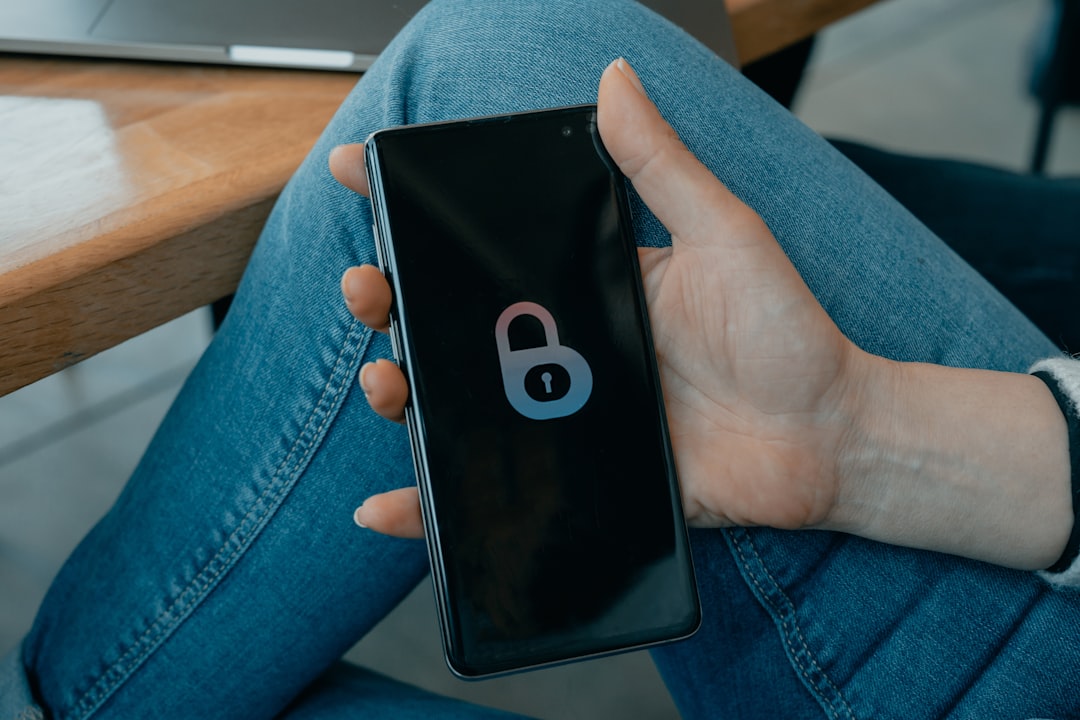
A strong password is great. But you can add another lock.
This is called two-factor authentication, or 2FA. Sometimes it is called multi-factor authentication, or MFA.
It means you need your password plus something else. That something else might be:
- A code from an app.
- A text message code.
- A fingerprint.
- A security key.
So even if someone steals your password, they still may not get in.
Use an authentication app when you can. Text messages are better than nothing. But app codes or security keys are usually stronger.
Common Password Mistakes
Let’s talk about traps. These are easy to fall into.
1. Reusing Passwords
This is the big one. Do not use the same password for email, banking, and shopping. If one site gets hacked, attackers may try that same password on other sites.
This is called credential stuffing. It sounds like a Thanksgiving side dish. It is not delicious.
2. Changing One Tiny Thing
Many people do this:
- Summer2024!
- Summer2025!
- Summer2026!
That is predictable. Do not just change the year or add a new symbol. Make each password truly different.
3. Saving Passwords in Plain Notes
Do not keep passwords in a normal notes app, a spreadsheet, or a text file called passwords. That is like putting treasure in a box labeled “free treasure.”
Use a password manager instead.
4. Sharing Passwords
Do not share passwords by text, chat, or email. If you must share access, use a safe sharing feature in a password manager. Better yet, create separate accounts for each person.
How to Remember Your Master Password
Your master password is important. So make it memorable.
Use a vivid picture. Make it silly. Make it yours.
Try this pattern:
Adjective + Animal + Verb + Object + Number + Symbol
Examples:
- SleepyLlamaFindsTreasure48!
- BraveKoalaFixesSpaceship73?
- FancyDuckStealsCupcakes22#
Practice typing it a few times. Say the story in your head. Do not say it out loud in a crowded café. The fancy duck deserves privacy.
You can also write a hint, but not the password itself. For example:
Hint: sleepy animal treasure number
That may help you remember without giving it away.
A Quick Password Makeover
Let’s upgrade a bad password.
Weak password:
coffee123
Better:
CoffeeMugRunsAway123!
Even better:
SleepyCoffeeMugRunsPastSaturn123!
Now it is long. It is funny. It is easier to picture. A sleepy coffee mug running past Saturn is not normal. That is good. Normal is guessable.
Your Strong Password Checklist
Before you trust a password, ask these questions:
- Is it at least 14 to 16 characters long?
- Does it avoid personal info?
- Does it use more than one word?
- Does it include a number or symbol?
- Is it different from all my other passwords?
- Would a stranger fail to guess it?
- Can I remember it without writing it on a sticky note?
If you said yes to most of these, you are in good shape.
Final Thoughts
A strong password does not need to be scary. It does not need to look like a broken robot fell onto your keyboard. It just needs to be long, unique, and hard to predict.
Use passphrases. Make them silly. Add numbers and symbols. Avoid personal details. Use a password manager for the heavy lifting. Turn on two-factor authentication when you can.
Think of your password as a tiny guard dragon. Give it a long name. Give it a weird story. Give it a symbol sword. Then let it protect your digital castle.