
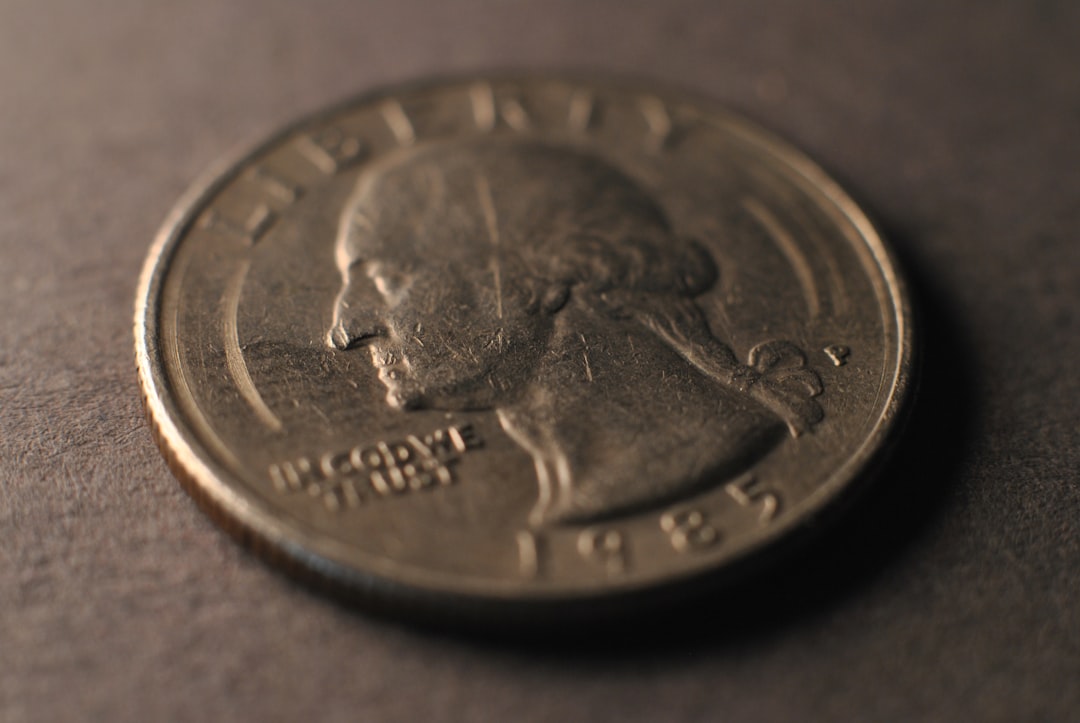
State quarters are among the most popular modern U.S. coins to collect, partly because millions of people first discovered coin hunting through the 50 State Quarters Program. Issued from 1999 to 2008, these quarters honored each state with a unique reverse design, creating a nationwide collecting craze. While most state quarters are worth only face value, certain minting errors can make an ordinary-looking 25-cent piece surprisingly valuable.
TLDR: Valuable state quarter errors include doubled dies, off-center strikes, missing clad layers, die cracks, and unusual varieties such as the famous Wisconsin “extra leaf” quarter. The most desirable examples are clear, dramatic, and authenticated by reputable grading services. Condition matters greatly, so uncirculated error coins usually bring stronger prices. Always compare your coin to verified examples before assuming it is rare.
Why State Quarter Errors Are So Popular
The 50 State Quarters Program produced billions of coins, meaning most examples are extremely common. However, that massive production also created opportunities for mistakes. When coins are struck at high speed, even a small mechanical issue can produce an error that escapes into circulation.
Collectors enjoy state quarter errors because they combine modern accessibility with the thrill of discovery. Unlike rare 19th-century coins that may require a large budget, many state quarter errors can still be found in pocket change, bank rolls, old jars, and inherited collections.
Not every odd-looking quarter is valuable, though. Damage from circulation, cleaners, heat, or tools is often mistaken for a mint error. The key is learning the difference between a true mint-made error and simple wear or alteration.

1. The Wisconsin Extra Leaf Quarter
One of the most famous and valuable state quarter varieties is the 2004-D Wisconsin quarter with an “extra leaf” on the corn stalk. This variety comes in two well-known forms: the Extra Leaf High and the Extra Leaf Low.
On the normal Wisconsin quarter, the design shows a cow, a wheel of cheese, and an ear of corn. On the error variety, an extra raised line appears near the corn leaves. The “high” version points upward, while the “low” version points downward across the corn husk.
Collectors still debate exactly how these varieties occurred, but they are widely recognized and actively collected. Values depend heavily on condition, but circulated examples may sell for modest premiums, while high-grade certified examples can bring significantly more.
- Date and mint mark: 2004-D
- State: Wisconsin
- Look for: An extra raised leaf near the corn stalk
- Most valuable in: Mint State condition with strong detail
2. Doubled Die State Quarters
A doubled die occurs when a coin die receives a doubled image during the die-making process. When that die strikes coins, the doubled design appears on every coin it produces. This is different from machine doubling, which is far more common and usually much less valuable.
On state quarters, doubled dies may appear in lettering, dates, design details, or inscriptions such as “IN GOD WE TRUST,” “LIBERTY,” or the state name. Some doubled dies are minor and require magnification, while others are more noticeable.
Collectors look for true separation in the design, not flat, shelf-like doubling. A strong doubled die will show rounded, raised doubling that looks like part of the original design. Because the difference can be subtle, comparison with certified examples is important.
- Useful tool: A 5x to 10x magnifier
- Best places to inspect: Lettering, dates, mint marks, and fine design lines
- Avoid confusion with: Machine doubling, worn dies, and circulation damage
3. Off-Center Strikes
An off-center strike happens when a blank planchet is not properly aligned between the dies during striking. Instead of the design being centered, part of it is missing, leaving a crescent-shaped blank area on the coin.
Off-center state quarters can be valuable, especially when the error is dramatic but the date and mint mark are still visible. A coin struck 5% off center may be interesting, but a coin struck 25% or 50% off center is usually far more desirable.
The most collectible off-center errors have a clear design, visible date, and no major post-mint damage. If the date is missing, the coin may still have value, but identifying the exact state and year can become difficult.
Image not found in postmeta4. Missing Clad Layer Errors
Modern quarters are made from a copper core bonded between outer layers of copper-nickel. A missing clad layer error occurs when one of those outer layers is absent before the coin is struck. This creates a quarter that may appear copper-colored on one side or show unusual coloration.
These errors are popular because they are visually striking. A state quarter with one normal silver-colored side and one coppery side immediately stands out. However, collectors should be cautious: environmental damage can sometimes make a normal coin appear discolored.
A genuine missing clad layer usually has the correct weight difference and a consistent appearance across the affected side. Authentication is especially helpful for these coins, since altered surfaces can be misleading.
- Common appearance: Copper color on one side
- Cause: Missing outer clad layer before striking
- Important test: Weight comparison with a normal quarter
- Collector appeal: High, especially when the error is obvious
5. Broadstruck State Quarters
A broadstrike occurs when a coin is struck outside the retaining collar that normally forms the reeded edge and controls the coin’s diameter. Without the collar, the metal spreads outward, creating a wider, flatter coin.
Broadstruck quarters may look slightly distorted, with missing or weak reeds along the edge. They are especially interesting when the design remains complete and centered. Because the coin expands beyond normal size, it can be easy to spot when compared with a regular quarter.
Collectors value broadstrikes based on eye appeal, preservation, and how dramatic the spread is. A clean, uncirculated broadstruck state quarter can be a desirable addition to an error collection.
6. Die Cracks, Cuds, and Retained Cuds
Coin dies endure tremendous pressure, and over time they can crack or break. When a cracked die strikes a coin, it may leave a raised line known as a die crack. If part of the die breaks away entirely, the coin may show a raised blob of metal called a cud.
Minor die cracks are common and usually not very valuable unless they are dramatic or appear in an interesting location. Large cuds, however, can attract strong collector interest. On state quarters, a cud that affects the rim, state design, or lettering can be especially appealing.
A retained cud occurs when the broken piece of the die remains partly in place, creating a raised but still detailed area. These can be fascinating because they show the die in the process of failing.
- Die crack: Thin raised line caused by a cracked die
- Cud: Raised blob caused by a broken piece of die
- Retained cud: Broken die section still partially attached
7. Wrong Planchet Errors
A wrong planchet error happens when a coin is struck on a blank intended for another denomination or coin type. For example, a state quarter could theoretically be struck on a dime planchet, resulting in a smaller, lighter coin with some of the design missing.
These errors are rare and can be quite valuable when authenticated. Because they involve the wrong metal blank, weight and diameter are crucial for identification. A quarter struck on a smaller planchet will not have the normal size or weight of a standard quarter.
Collectors should be careful when evaluating suspected wrong planchet errors. Coins that have been ground down, clipped, or damaged after leaving the Mint can sometimes imitate the look of a wrong planchet. Professional grading is strongly advised for any potentially high-value example.
8. Clipped Planchet Errors
A clipped planchet occurs when the blanking process cuts a coin planchet incorrectly, leaving part of the metal missing before the coin is struck. The result may be a curved, straight, ragged, or irregular clip along the edge.
Curved clips are the most familiar and appear like a bite taken out of the coin. On genuine clips, collectors often look for the Blakesley effect, a weakness in the rim opposite the clipped area. This feature helps distinguish true mint clips from post-mint damage.
Clipped state quarters are collectible, especially if the clip is large and the coin remains attractive. As with other errors, value increases when the date, mint mark, and state design are easily identifiable.
9. Improperly Annealed Quarters
Before striking, coin blanks are heated and softened in a process called annealing. If something goes wrong, the metal may develop unusual colors, such as gold, gray, brown, purple, or dark streaked tones. These are called improperly annealed errors.
Some state quarters with unusual color are genuine mint errors, but many are simply toned, stained, or chemically altered. This makes authentication important. A naturally toned coin may still be attractive, but it is not the same as a mint-made annealing error.
Improperly annealed quarters appeal to collectors because they can be visually dramatic. Still, they usually bring the strongest prices when certified as genuine mint errors by a trusted grading service.
10. State Quarter Mule Errors
A mule is one of the most exciting types of mint errors. It occurs when mismatched dies are used together, creating a coin with an obverse and reverse that were never intended to pair. While famous mule errors exist in other U.S. coin series, confirmed state quarter mules are extraordinarily rare.
If a true state quarter mule were discovered and authenticated, it could be extremely valuable. However, collectors should approach such claims with caution. Many supposed mules are actually altered coins, novelty pieces, or misunderstandings of normal design differences.
How to Search for Valuable State Quarter Errors
Searching for errors does not require expensive equipment. A good light, a magnifier, and patience are enough to get started. Bank rolls can be a fun source, though many state quarters have now circulated for years and show wear.
- Sort by state and date. This helps you focus on known varieties, such as the 2004-D Wisconsin extra leaf.
- Inspect both sides carefully. Look for doubling, missing layers, cracks, clips, and unusual shapes.
- Check the edge. Missing reeds, broadstrikes, or unusual thickness can indicate an error.
- Weigh suspicious coins. A digital scale can help identify missing clad layers or wrong planchets.
- Compare with verified examples. Use reputable coin references and auction records.
What Makes a State Quarter Error Valuable?
Several factors determine value. The first is rarity. A common minor die chip may be worth little, while a dramatic wrong planchet error could be worth much more. The second is visibility. Errors that are easy to see without special equipment tend to attract more buyers.
Condition is also critical. An uncirculated error quarter with bright luster is usually more desirable than a worn or scratched example. Finally, authentication can make a major difference. Certified errors from respected grading companies often sell for stronger prices because buyers have confidence in what they are purchasing.
Final Thoughts
Valuable state quarter errors offer a rewarding mix of history, design, and treasure hunting. From the famous Wisconsin extra leaf to dramatic off-center strikes and missing clad layers, these coins prove that even modern pocket change can hold surprises.
The best approach is to learn the major error types, examine coins carefully, and avoid jumping to conclusions. Many unusual quarters are damaged rather than rare, but genuine mint errors do exist and can be worth far more than 25 cents. For collectors, that possibility is exactly what makes searching through state quarters so enjoyable.