Field service software is entering 2026 with a sharper focus on automation, connected equipment, mobile workforce intelligence, and customer transparency. The market is no longer defined only by scheduling and dispatch tools; it is increasingly shaped by platforms that predict failures, guide technicians in real time, and connect field operations with finance, inventory, compliance, and customer experience systems.
TLDR: In 2026, field service software news is dominated by AI dispatching, predictive maintenance, technician enablement, and customer self-service portals. A mid-sized HVAC provider with 42 technicians, for example, could use AI routing and automated parts forecasting to reduce repeat visits by 18% and improve same-day completion rates by 22%. Vendors are also expanding mobile apps, asset intelligence, and integrations with ERP and CRM platforms. The biggest shift is that field service software is becoming a decision engine, not just an operational calendar.
AI Becomes the Default Layer in Field Service
One of the most important 2026 trends is the normalization of AI-assisted operations. Earlier versions of field service platforms treated artificial intelligence as an optional add-on. In 2026, more products are embedding it directly into scheduling, diagnostics, customer communication, and workforce planning.
AI dispatch tools are improving how service providers assign work orders by analyzing technician skills, location, traffic, parts availability, service-level agreements, and historical job duration. Instead of simply booking the nearest employee, systems are identifying the technician most likely to complete the job on the first visit. This is especially valuable in industries such as utilities, telecommunications, medical equipment, facilities management, and HVAC.
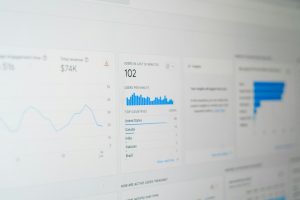
Generative AI is also appearing in technician workflows. It can summarize job histories, draft service notes, recommend troubleshooting steps, and convert voice notes into structured reports. For managers, AI dashboards are highlighting schedule risks, overdue inspections, and high-cost assets before they become major issues.

Predictive Maintenance Moves From Pilot Projects to Daily Operations
Predictive maintenance is no longer limited to large enterprises with advanced IoT programs. In 2026, more field service software platforms are offering easier connections to sensors, smart meters, telematics, and asset monitoring systems. This allows service teams to shift from reactive break fix models to condition based maintenance.
For example, a property services company managing 600 elevators or HVAC assets can monitor vibration, temperature, pressure, or usage data. When the software detects abnormal performance, it can automatically create a work order, recommend a priority level, reserve likely replacement parts, and notify the customer. This reduces downtime while helping technicians arrive prepared.
The product updates in this area are centered on better asset histories, cleaner IoT data visualization, and automated maintenance triggers. Vendors are also improving warranty tracking and lifecycle cost reporting, helping organizations decide when to repair, replace, or upgrade equipment.
Mobile Apps Become More Technician Centric
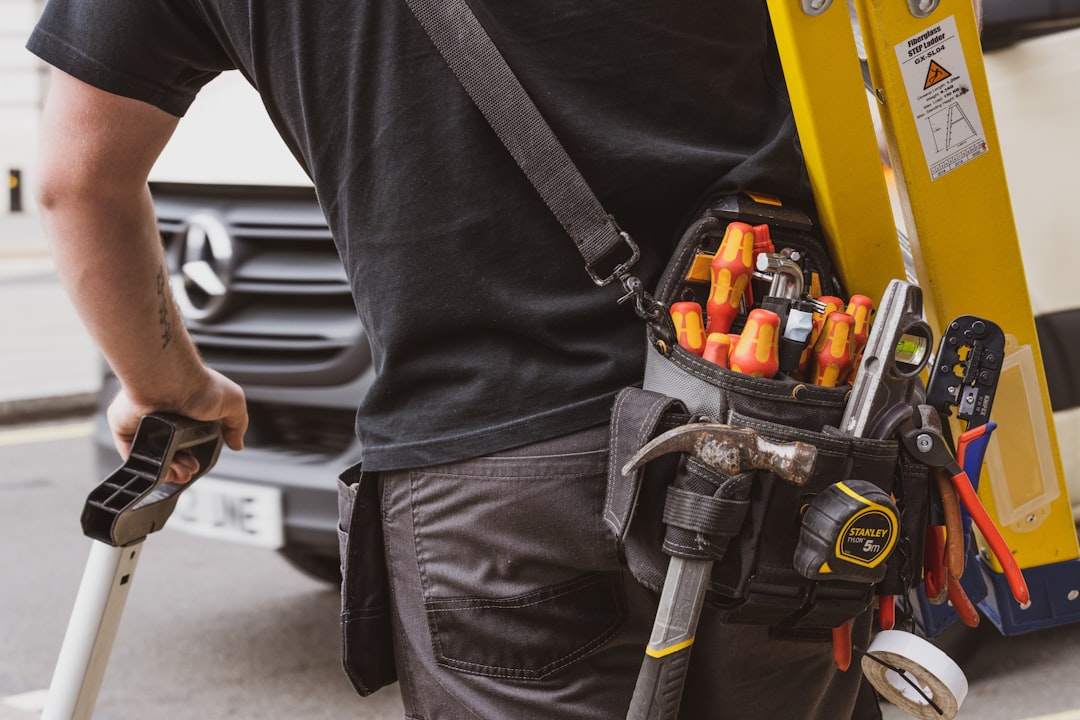
Field technicians remain at the center of the industry, and 2026 product updates reflect that reality. Mobile apps are becoming faster, more offline capable, and more personalized for frontline workers. The best platforms now support mobile forms, barcode scanning, photo capture, digital signatures, time tracking, inventory checks, and step-by-step service instructions.
A major trend is the creation of guided workflows. Rather than expecting a technician to remember every compliance rule or inspection step, the software can present the right checklist for the asset, customer, region, and job type. This reduces errors and supports consistent service quality across distributed teams.
Augmented reality is also gaining attention, although adoption varies by industry. In complex repair environments, remote experts can mark up a live video feed, helping junior technicians complete work without escalating to a second visit. This is particularly useful as many organizations deal with labor shortages and the retirement of experienced workers.
Customer Portals Get a Major Upgrade
In 2026, customer experience is becoming a competitive advantage in field service. Product updates increasingly include self-service booking, technician tracking, automated appointment reminders, digital quotes, online payments, and service history access. Customers now expect the same convenience from a repair provider that they receive from delivery, banking, and ecommerce platforms.
Modern customer portals reduce call center volume and improve trust. A customer can see when a technician is on the way, approve a quote from a phone, receive photos of completed work, and download an invoice immediately. For commercial clients, portals often include asset lists, maintenance schedules, compliance documents, and contract performance reports.
Inventory and Parts Management Receives More Attention
First-time fix rates depend heavily on parts availability. As a result, 2026 field service software updates are placing greater emphasis on inventory intelligence. Systems are improving van stock visibility, warehouse transfers, automated replenishment, and parts forecasting.
Instead of discovering a missing part after arrival, dispatchers and technicians can check availability before the appointment is confirmed. Some platforms are using historical job data to predict which parts should be stocked in each service vehicle based on territory, season, asset type, and technician specialization.
This is especially important for companies dealing with supply chain uncertainty or expensive components. Better inventory control helps reduce emergency purchasing, unnecessary truck rolls, and long customer wait times.
Integrations With ERP, CRM, and Finance Systems Expand
Another major industry update is deeper integration between field service software and back-office platforms. In 2026, service organizations want fewer data silos and more end-to-end visibility. Work orders now connect more smoothly with customer records, contracts, billing, payroll, procurement, and financial reporting.
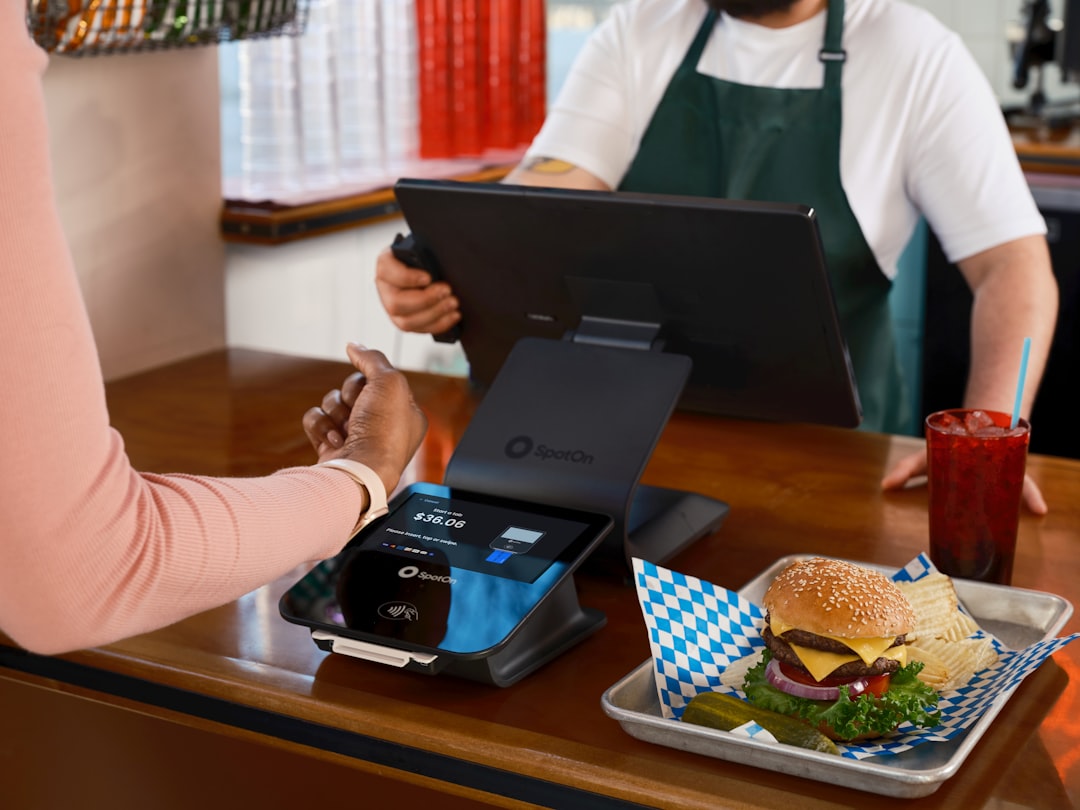
Integration with CRM systems helps sales and service teams share information about customer needs, renewals, and upsell opportunities. ERP integration supports cost tracking, inventory control, and revenue recognition. Payment integrations allow technicians to collect deposits, final balances, or subscription fees in the field.
The result is a more connected service operation where managers can understand not only whether jobs were completed, but also whether they were profitable.
Compliance, Safety, and Sustainability Features Grow
Regulated industries are pushing software vendors to strengthen compliance tools. Field service platforms are adding digital audit trails, required inspection forms, certification tracking, safety acknowledgments, and automated record retention. These updates help companies prove that work was performed correctly and by qualified personnel.
Sustainability is also becoming more visible. Route optimization can reduce fuel use, while predictive maintenance can extend asset life and prevent waste. Some platforms are beginning to report carbon impact from travel, fleet usage, and maintenance activity. For organizations with environmental reporting requirements, this functionality is becoming more than a nice extra.

What the 2026 Updates Mean for Buyers
For buyers, the key lesson in 2026 is that field service software selection should look beyond basic scheduling. Decision makers are comparing platforms based on AI maturity, mobile usability, integration depth, customer portal quality, asset intelligence, and reporting flexibility.
Small businesses may prioritize ease of use, fast implementation, online booking, and payment collection. Mid-market firms often need stronger dispatch automation, inventory controls, and accounting integration. Enterprise organizations typically require advanced security, multi-region compliance, complex asset management, and customizable workflows.
The strongest products are those that help service teams reduce administrative work while improving technician productivity and customer satisfaction. As the market matures, software that cannot support automation, data-driven decisions, and connected customer experiences may become harder to justify.
FAQ
-
What is the biggest field service software trend in 2026?
The biggest trend is the use of AI across dispatching, scheduling, diagnostics, reporting, and customer communication. -
Why is predictive maintenance important?
Predictive maintenance helps companies identify asset issues before failure, reducing downtime, emergency repairs, and repeat visits. -
What product updates matter most for technicians?
Mobile offline access, guided workflows, digital checklists, parts visibility, photo capture, and AI-generated service notes are among the most valuable updates. -
How are customer portals changing field service?
Customer portals allow users to book appointments, track technicians, approve quotes, make payments, and view service history without calling support. -
Should small businesses invest in advanced field service software?
Many small businesses can benefit if the platform improves scheduling, invoicing, payments, and communication. The best choice is usually a scalable tool that does not require heavy IT support.