Ambush marketing has long been one of the boldest tactics in brand promotion. It occurs when a company gains attention around a major event, campaign, or cultural moment without being an official sponsor. While some examples are clever and legal, others have triggered lawsuits, bans, and global controversy.
TLDR: Ambush marketing works by letting brands ride the visibility of major events without paying official sponsorship fees. Some campaigns became famous because they were witty, timely, or disruptive, while others crossed legal and ethical lines. The most memorable examples show how creativity can rival big sponsorship budgets, but they also prove that brands must understand the risks before trying it.
15 Ambush Marketing Examples That Made Headlines
From the Olympics to the World Cup, major events attract audiences that brands desperately want to reach. Official sponsors often pay millions for exclusive rights, but non-sponsors have repeatedly found ways to join the conversation. The following examples show how ambush marketing has shaped modern advertising history.
1. Nike at the 1996 Atlanta Olympics
Although Reebok was the official sponsor of the 1996 Atlanta Olympics, Nike dominated public attention. The company set up a massive Nike Center near the Olympic Village, handed out branded flags, and ran memorable ads featuring athletes. Many spectators believed Nike was the official sponsor, making this one of the most studied ambush marketing cases.
2. Nike and Michael Johnson’s Gold Shoes
During the same Olympic Games, sprinter Michael Johnson wore striking gold Nike running shoes. The image became iconic after he won gold medals in the 200 and 400 meters. Even though Nike was not the official sponsor, the shoes gave the brand a priceless association with Olympic victory.
Image not found in postmeta3. Bavaria Beer at the 2010 FIFA World Cup
At the 2010 World Cup in South Africa, a group of women attended a match wearing orange dresses linked to Bavaria Beer. Budweiser was the official beer sponsor, so FIFA considered the stunt an ambush. The women were removed from the stadium, and the incident generated worldwide media coverage for Bavaria.
4. Beats by Dre at the 2012 London Olympics
Panasonic was an official Olympic sponsor, but Beats by Dre grabbed attention by sending free headphones to high-profile athletes. Many athletes wore them before competitions and during media appearances. The brand benefited from organic visibility without buying official sponsorship rights.
5. Paddy Power at the 2012 London Olympics
Irish bookmaker Paddy Power launched ads claiming it was the “official sponsor of the largest athletics event in London.” However, the ad referred to an egg-and-spoon race in London, France. Olympic authorities challenged the campaign, but the clever wording helped Paddy Power win public attention.
6. American Express vs. Visa at the Olympics
Visa has sponsored multiple Olympic Games, often promoting exclusivity with phrases suggesting that spectators needed Visa cards. American Express responded with campaigns reminding travelers that they did not need a “visa” to visit certain host cities. The wordplay allowed American Express to challenge the sponsor without directly using Olympic marks.
7. Pepsi vs. Coca-Cola at the 1996 Cricket World Cup
Coca-Cola was the official sponsor of the 1996 Cricket World Cup, but Pepsi launched the campaign “Nothing Official About It.” The slogan directly played on its non-sponsor status and resonated with younger cricket fans. It became one of the most famous examples of openly defiant ambush marketing.
8. Burger King’s “Whopper Detour”
Although not tied to a sports event, Burger King’s campaign ambushed rival McDonald’s. Customers who opened the Burger King app near a McDonald’s restaurant could order a Whopper for one cent. The stunt hijacked McDonald’s physical locations and turned them into triggers for Burger King sales.
9. Audi vs. BMW Billboard Battle
In a famous outdoor advertising clash, Audi placed a billboard challenging BMW with the message, “Your move, BMW.” BMW responded with a nearby billboard saying, “Checkmate.” The exchange became a headline-making ambush because each brand used the other’s visibility to amplify its own message.
Image not found in postmeta10. Newcastle Brown Ale and the Super Bowl
Super Bowl advertising is notoriously expensive, but Newcastle Brown Ale created buzz by promoting “the ad it could have made” if it had the budget. The campaign featured teasers, behind-the-scenes jokes, and celebrity references. It ambushed the Super Bowl conversation without buying a national broadcast spot.
11. Oreo During the Super Bowl Blackout
When the lights went out during the 2013 Super Bowl, Oreo tweeted, “You can still dunk in the dark.” While Oreo was not ambushing an official sponsor in the traditional sense, it capitalized on a massive live event in real time. The post became a landmark example of quick-response marketing.
12. Samsung at the Oscars
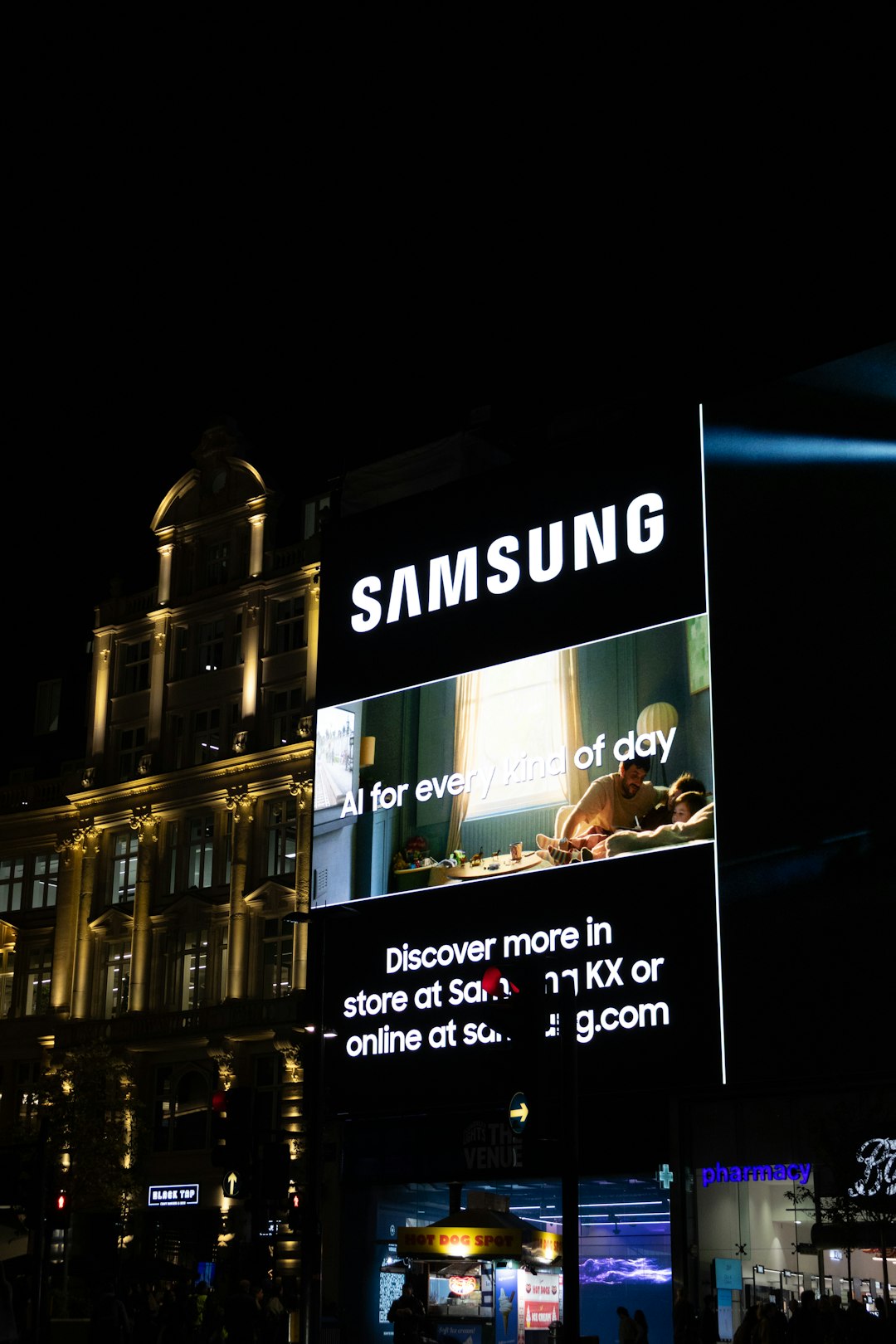
Samsung gained enormous exposure during the 2014 Oscars when Ellen DeGeneres took a celebrity-filled selfie using a Samsung phone. While Samsung was involved as a sponsor, the photo also ambushed the wider awards-night conversation by becoming the event’s defining social media moment. It showed how a brand could own attention beyond paid placement.
13. Lululemon Outside the Olympics
Before becoming an official Olympic outfitter for Canada, Lululemon had previously used athlete-focused storytelling and patriotic themes around major sporting moments. The brand tapped into national pride without always relying on formal event sponsorship. This softer form of ambush marketing showed how lifestyle positioning could work around major events.
14. Specsavers and the 2018 World Cup
During the 2018 World Cup, when refereeing decisions created controversy, Specsavers used humorous social posts connected to its slogan, “Should’ve gone to Specsavers.” The brand did not need official rights to join the conversation. Its quick humor made it relevant whenever viewers debated eyesight and officiating.
15. Ryanair and Trending Sports Moments
Ryanair has repeatedly used real-time social media posts to jump into major sports and pop culture moments. By reacting quickly to football results, athlete controversies, or viral incidents, it often gains exposure without sponsorship deals. Its tone is cheeky, inexpensive, and designed to travel through shares.
Why These Campaigns Made Headlines
These examples became famous because they achieved one or more of three outcomes: they confused sponsorship perception, sparked controversy, or entertained audiences so effectively that people shared them voluntarily. Ambush marketing often works best when it feels timely and culturally fluent.
However, the tactic can be risky. Event owners protect trademarks, sponsor exclusivity, and broadcast rights aggressively. A brand that uses protected logos, phrases, or misleading claims may face legal action, bans, or reputational damage. The strongest campaigns usually avoid direct infringement while still creating a clear mental link to the event.
Key Lessons from Famous Ambush Marketing
- Timing matters: Real-time reactions can outperform expensive planned campaigns.
- Creativity beats budget: Smaller brands can gain attention if the idea is sharp enough.
- Legal boundaries matter: The smartest campaigns imply relevance without copying protected assets.
- Public reaction is crucial: If audiences see the stunt as funny or clever, the brand often wins.
- Controversy can amplify reach: Even enforcement actions can give a campaign more publicity.
FAQ
What is ambush marketing?
Ambush marketing is a promotional tactic where a brand associates itself with an event, competitor, or cultural moment without being an official sponsor or rights holder.
Is ambush marketing illegal?
It depends on the campaign. Ambush marketing can be legal if it avoids trademark infringement, false claims, and protected event symbols. It can become illegal when it misleads consumers or violates sponsorship rights.
Why do brands use ambush marketing?
Brands use it to gain exposure around high-profile events without paying large sponsorship fees. It can also help them appear agile, humorous, and culturally relevant.
What is the most famous ambush marketing example?
Nike’s activity around the 1996 Atlanta Olympics is often considered one of the most famous examples because it overshadowed the official sponsor, Reebok, in public perception.
Can small businesses use ambush marketing?
Yes, but they should be careful. Small businesses can join trending conversations or respond creatively to local events, but they should avoid using protected names, logos, or misleading sponsorship claims.