LabWare and STARLIMS are two of the most established choices for laboratories that need controlled data, audit trails, sample tracking, and regulatory support. They are serious platforms, not simple databases. For labs working under ISO/IEC 17025, data integrity and traceable processes are not optional; the standard sets requirements for competent testing and calibration work [source: ISO]. The real question is not which platform is “best,” but which one fits the lab’s size, workflow, budget, and validation burden.
TLDR: LabWare and STARLIMS both support complex lab operations, including sample login, testing, approvals, reporting, and compliance. A mid-size quality control lab processing 60,000 samples per year could cut manual transcription by 40% to 70% if instruments and workflows are properly connected. For example, a pharmaceutical lab may use LabWare to manage batch release testing, while a public health lab may choose STARLIMS for case-style sample tracking and multi-site reporting. The catch is that both systems need strong planning, clean master data, and patient users.
What lab data management software actually does
Lab data management software is built to control the full life of a sample. That starts with sample receipt. It continues through testing, review, approval, reporting, storage, and retention.
A good platform reduces scattered spreadsheets, paper logs, and email approvals. It also helps stop small human errors that turn into serious quality issues. Think of a result copied into the wrong cell. Or a missing calibration check. Or a report sent before review.
Most modern laboratory platforms include:
- Sample registration and chain of custody tracking
- Test assignment by method, product, client, or study
- Instrument integration to reduce manual entry
- Electronic approvals with user roles and permissions
- Audit trails for regulated work
- Certificates of analysis and custom reports
- Dashboards for workload, turnaround time, and failures
LabWare: strong for complex and regulated labs
LabWare LIMS is widely used in pharmaceutical, chemical, environmental, food, and industrial labs. It is known for depth. It can support routine quality control as well as complex workflows across many sites.
LabWare often suits labs that need heavy configuration. It can model products, specifications, methods, batches, stability studies, and approval rules. That makes it useful for organizations with strict quality systems.
Honestly, it feels like the setup work can scare teams at first. There may be many fields, rules, statuses, and screens to define. If the lab has messy processes before the project starts, the software will expose that mess fast.
Common strengths include:
- Deep configuration for detailed workflows
- Strong compliance support for regulated environments
- Broad instrument and system integration
- Enterprise scale for global lab networks
Common pain points include longer implementation cycles, a need for trained administrators, and careful validation work. Expect to spend time on master data. Lots of it.
STARLIMS: solid for sample-centric operations
STARLIMS is another major laboratory informatics platform. It is often used in public health, forensic, clinical, food safety, manufacturing, and environmental testing settings. It has a strong focus on sample workflow, reporting, scheduling, and lab process control.
STARLIMS can work well where labs need clear sample visibility across departments or sites. It is also useful where managers need status views without asking analysts for updates every hour.
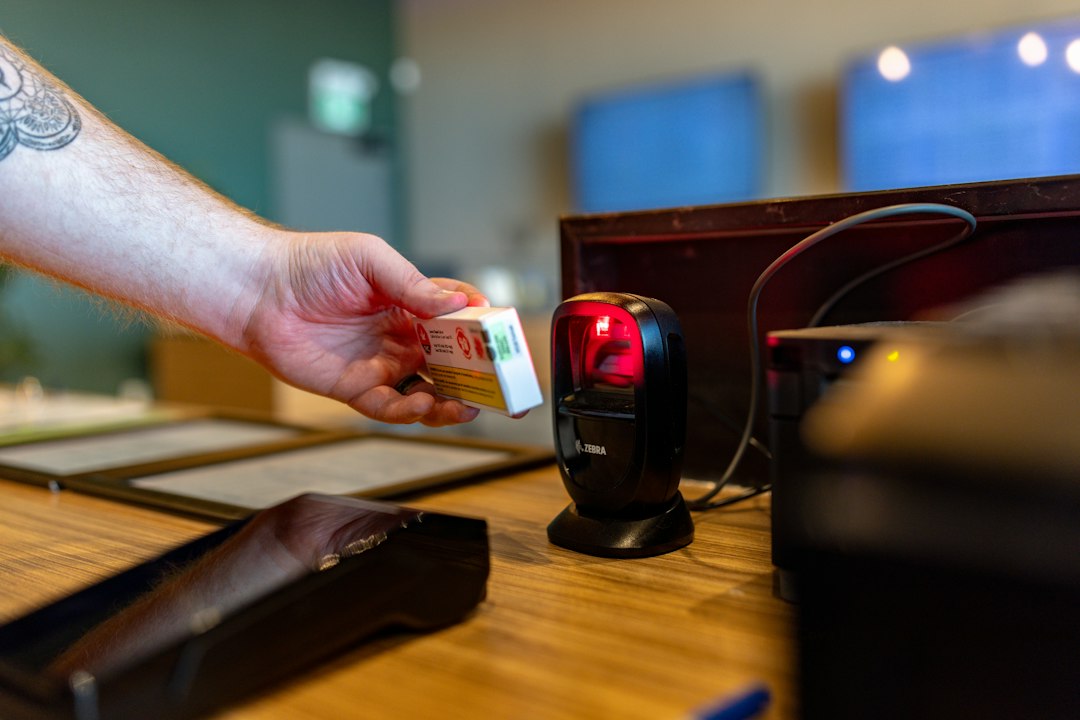
Many teams like STARLIMS because it can bring order to high-volume sample handling. Barcodes, queues, alerts, and role-based screens help reduce confusion. For labs handling thousands of samples per month, that matters.
Key strengths include:
- Strong sample tracking from receipt to report
- Configurable workflows for different lab types
- Useful reporting and dashboards
- Support for regulated data controls
The weak spot is familiar: configuration takes discipline. If too many custom requests are approved, the system can become harder to maintain. Five extra clicks per sample may not sound awful. At 800 samples a day, it becomes painful.
Compliance and audit readiness
For regulated labs, compliance is one of the main reasons to invest in these platforms. Both LabWare and STARLIMS can support electronic records, audit trails, access controls, and review workflows. These features help with requirements such as FDA 21 CFR Part 11 for electronic records and signatures [source: eCFR].
Software alone does not make a lab compliant. Procedures, training, validation records, and change control still matter. A poorly governed system can fail an audit even if the platform is capable.
How to choose between LabWare and STARLIMS
Do not pick based on brand name alone. Start with the work.
- Map your workflows. Include exceptions, retests, cancellations, and urgent samples.
- Count your volumes. Samples per day, tests per sample, instruments, users, and sites.
- List compliance needs. Include audit trails, e signatures, validation, and retention rules.
- Check integration needs. Instruments, ERP, ELN, MES, document systems, and reporting tools.
- Ask for real demos. Use your own sample types and reports, not generic slides.
LabWare may be a better fit for large, regulated enterprises with complex product testing and global quality processes. STARLIMS may fit labs that need strong sample flow control, clear status tracking, and multi-department coordination. Both can serve serious labs well.
Final view
LabWare and STARLIMS are not quick plug-in tools. They are long-term lab platforms. Treat the project like a quality transformation, not an IT purchase.
The best results come when lab staff, QA, IT, and management agree on the same goals. Cut manual entry. Improve traceability. Speed up reviews. Reduce repeat questions. Protect data.
If those goals are clear, either platform can become a reliable center for laboratory data management. If they are not clear, even the strongest software will feel slow, expensive, and annoying.