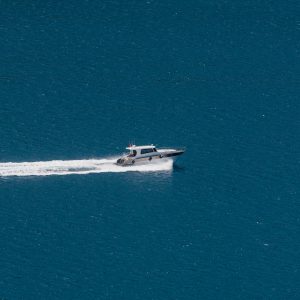
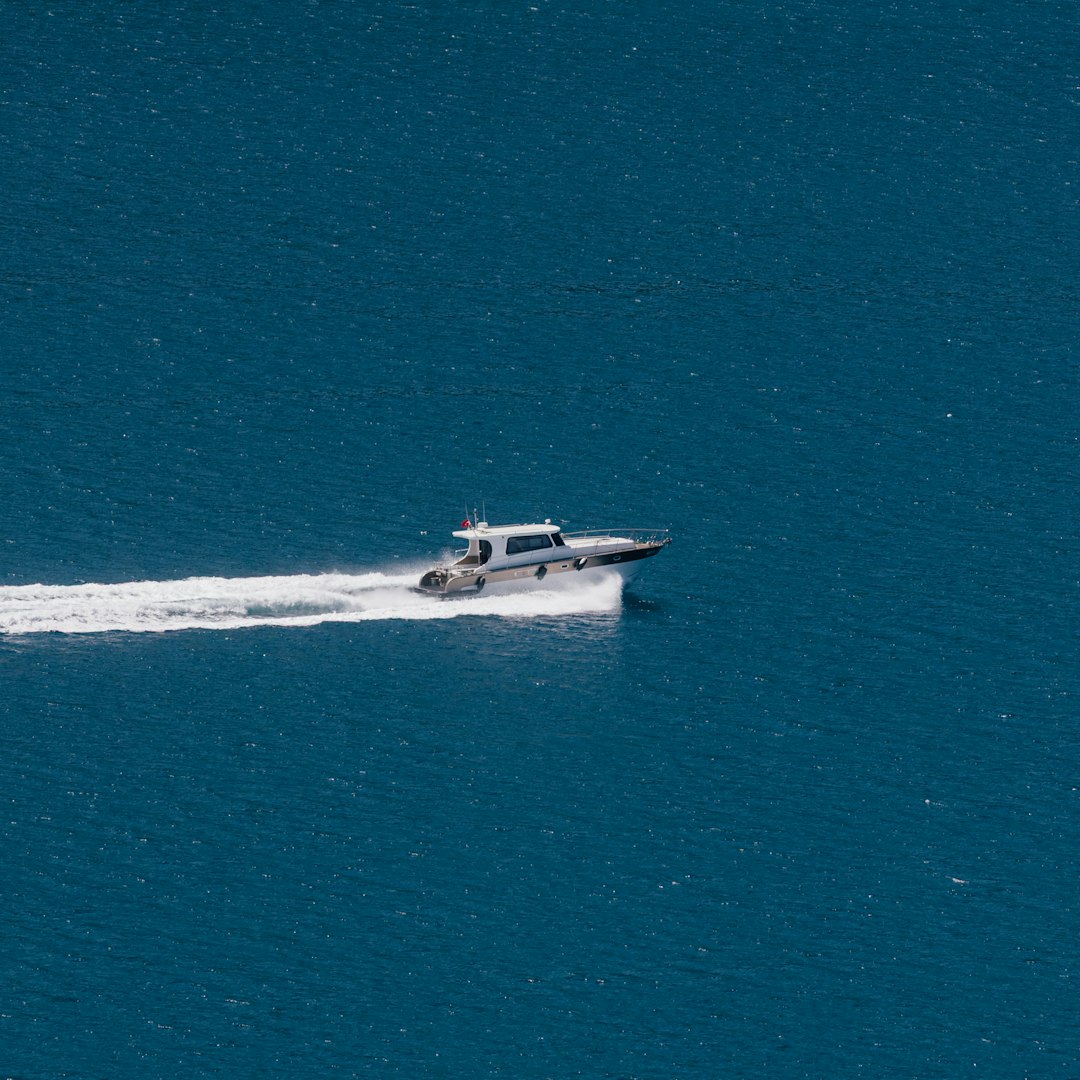
Saronic Technologies’ closest competitors are Anduril, Saildrone, MARTAC, Sea Machines, and Ocean Aero. Each is pushing autonomous maritime systems in a different way, from armed defense craft to long-endurance ocean sensors. Saronic has drawn attention because it is building autonomous surface vessels for defense missions, and Reuters reported its $175 million Series B funding round in 2024 [source: Reuters]. That money gives Saronic speed, but not a clear runway.
TLDR: Saronic is attacking a market where speed, payload fit, autonomy, and defense trust matter more than glossy demos. For example, a navy may need 20 small autonomous vessels to watch a harbor for 72 hours, not one expensive crewed boat burning fuel and crew time. Anduril is strong in defense software and undersea systems, Saildrone owns endurance, MARTAC brings fast tactical craft, Sea Machines has proven autonomy kits, and Ocean Aero adds hybrid surface and subsurface operations.
These five companies are not identical. That is the point. The market is splitting into clear segments: tactical attack craft, persistent surveillance vessels, autonomy software, and hybrid vehicles that can operate above and below the surface.
1. Anduril Industries
Anduril is a serious competitor because it knows defense procurement and builds full systems, not just vehicles. Its maritime work includes autonomous undersea platforms and mission software tied to its Lattice command system. That matters because military buyers rarely want a single robot. They want sensors, fusion, communications, and control in one package.
The catch is that complex systems can slow fielding. Integration can eat weeks. A radio link that works in one test range may add 2 to 5 seconds of delay in another. Still, Anduril has the budget, defense access, and software culture to pressure Saronic from above.
2. Saildrone
Saildrone is less about speed and more about endurance. Its uncrewed surface vehicles use wind and solar power for long missions. That makes them useful for ocean mapping, maritime domain awareness, weather data, and surveillance over huge areas.
This is not the same mission profile as a fast defensive craft. But it competes for the same budgets in intelligence, surveillance, and reconnaissance. If a customer needs months of presence at sea, Saildrone has a strong case. The company has also worked with U.S. government agencies, which gives it credibility in hard operational settings [source: NOAA].
3. MARTAC
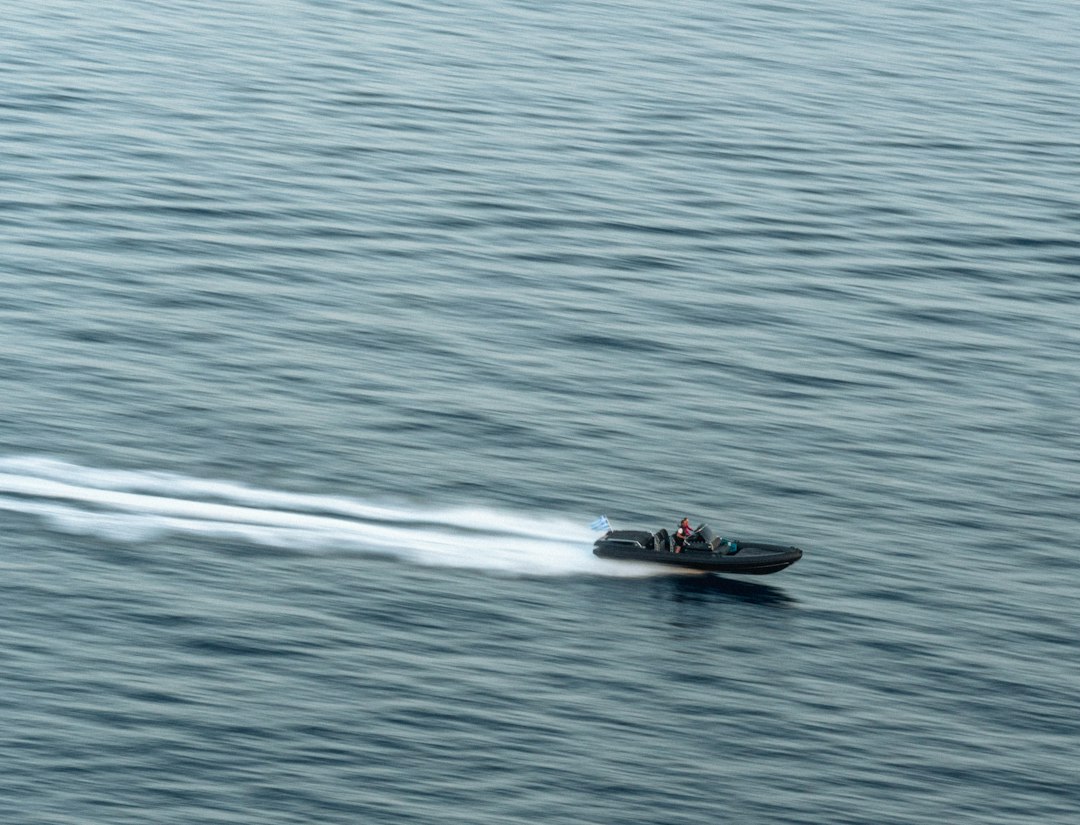
MARTAC, short for Maritime Tactical Systems, is one of the clearest direct rivals to Saronic. Its MANTAS and Devil Ray uncrewed surface vessels are built for speed, modular payloads, and tactical missions. They can support surveillance, force protection, mine countermeasure support, and other naval tasks.
MARTAC’s edge is practicality. Smaller craft can be moved, launched, and tested faster than large ships. That sounds basic, but it matters. Honestly, it feels like too many maritime drone programs forget how painful launch and recovery can be in real water, with real crews, on bad days.
4. Sea Machines Robotics
Sea Machines is different because it focuses heavily on autonomy systems that can be installed on existing vessels. Its technology supports perception, remote command, collision avoidance, and vessel control. That makes it attractive for commercial operators and some government users that do not want to buy a whole new fleet.
This creates a different pressure on Saronic. A customer may choose to upgrade current boats instead of buying purpose-built autonomous craft. Sea Machines may not be the most dramatic defense name on this list, but its retrofit model can reduce cost and shorten adoption time.
5. Ocean Aero
Ocean Aero brings a rare angle with the Triton, a hybrid autonomous vehicle designed to operate on the surface and below it. That dual-mode design can help with persistence, weather avoidance, and lower detection risk. For military and security users, that is useful.
Ocean Aero competes well where missions need quiet monitoring, sensor payloads, and long-duration collection. It is not a simple substitute for Saronic’s surface vessels. Still, it can win roles where stealth, patience, and flexible operating modes beat speed.
What Separates the Winners
- Autonomy quality: The craft must detect hazards and make safe decisions without constant human input.
- Payload flexibility: Customers want radar, cameras, sonar, electronic sensors, or communications gear without months of redesign.
- Communications discipline: Links fail at sea. Strong systems keep working with low bandwidth.
- Manufacturing speed: Defense users want scale. A good prototype is not enough.
- Real testing: Calm-water demos are easy. Rough seas expose weak design fast.
Saronic’s challenge is clear. It must prove that its vessels can be built quickly, trusted by military users, and fitted with useful payloads without constant rework. Anduril will push it on integrated defense systems. Saildrone will push it on endurance. MARTAC will push it on tactical craft. Sea Machines will push it on autonomy software. Ocean Aero will push it on hybrid operations.
The practical takeaway is simple. Saronic is not competing in a quiet niche. It is entering a serious race to define how navies and security agencies use uncrewed systems at sea. The winners will be the companies that give customers reliable craft, clean integration, and fewer surprises once the vessel leaves the dock.