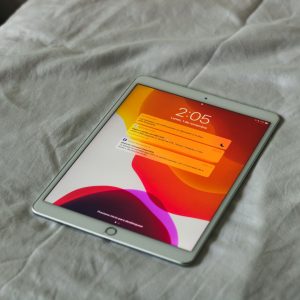
Kindle books can be shared in a few different ways, depending on the title, the Amazon account settings, the region, and whether the publisher allows lending. The most common methods are Amazon Household and Family Library, which are designed for sharing within a household, and Kindle book lending, which lets an eligible book be loaned to another person for a limited time.
TLDR: A Kindle book can usually be shared through Amazon Household for ongoing family access or loaned through Amazon’s lending feature if the publisher allows it. Family Library works best for spouses, partners, children, or close household members, while one-time lending is better for a friend who only needs temporary access. Some Kindle books cannot be loaned, and borrowed books typically expire after a set period. The account holder should always check the book’s eligibility before attempting to share it.
Understanding Kindle Book Sharing Options
Before starting, it helps to understand that there is not one universal “share” button for every Kindle book. Amazon controls digital book access through licensing agreements, so each title may have different sharing permissions. In most cases, Kindle book sharing falls into one of three categories:
- Amazon Household and Family Library: Allows two adults and selected children or teens in the same household to share eligible Kindle books and other digital content.
- Loan this title: Allows an eligible Kindle book to be loaned to another person, usually for a limited period.
- Device or app access: Allows Kindle content to be read on devices registered to the same Amazon account, though this is not ideal for sharing with people outside the account holder’s trust circle.
The safest and most organized method is usually Family Library, especially when the content is meant to be shared regularly. Lending is more limited but useful when one eligible book needs to be sent temporarily to someone else.
Method 1: Sharing Kindle Books with Amazon Household
Amazon Household is designed to let family members share digital content while keeping separate Amazon accounts. It can include two adults, up to four teens, and up to four children, though availability and features may vary by country.
With Family Library, eligible Kindle books can be shared between adults and made available to children through parental controls. This method is best for ongoing sharing because the book does not disappear after a short loan period.
Step 1: Go to Amazon Household Settings
The account holder should sign in to Amazon and open the Amazon Household section. This can usually be found by visiting the account menu and looking for household, family, or content sharing settings.
Once there, the primary account holder can choose to add another adult, a teen, or a child. For Kindle book sharing, adding another adult is the most common choice.
Step 2: Invite the Other Adult
The first adult must send an invitation to the second adult. The invited person may need to sign in with a separate Amazon account and accept the invitation. In many regions, both adults are required to agree to share certain payment settings, which is one reason this method is intended for trusted household members.
Amazon Household should not be used casually with acquaintances. Since the arrangement can involve shared payment methods and account-level permissions, it is best suited for spouses, partners, or close family members.
Step 3: Enable Family Library Sharing
After the second adult joins the household, the account holder should review Family Library settings. Amazon may ask which types of content should be shared, such as Kindle books, audiobooks, apps, or games.
To share Kindle books, the Kindle or ebook sharing option should be enabled. The account holder may be able to share all eligible books automatically or select individual books manually.
Step 4: Select Kindle Books to Share
The account holder can open Manage Your Content and Devices and view the Kindle library. From there, eligible books can usually be selected and added to the Family Library.
Some books may not display a sharing option. This usually means the publisher has restricted sharing, the title is not eligible in that region, or the content type does not support Family Library access.
Step 5: Read the Shared Book on a Kindle Device or App
Once sharing is enabled, the other household member should open a Kindle device or Kindle app connected to their Amazon account. The shared title may appear in the library automatically, or the reader may need to sync the device.
If the book does not appear, the reader can try tapping Sync, checking the content filters, or visiting the Amazon content library from a browser. Sometimes shared titles are hidden under filters such as Books, Downloaded, or Family Library.
Method 2: Loaning an Eligible Kindle Book
Some Kindle books can be loaned to another reader for a limited time. This option depends heavily on publisher permissions, so it will not be available for every book. When it is available, the loan is usually temporary, and the original owner cannot read the book while it is loaned out.
Kindle lending is useful when a reader wants to recommend a specific book to a friend without permanently adding that person to a household account.
Step 1: Check Whether the Book Is Eligible
The account holder should open Amazon’s Manage Your Content and Devices page and locate the Kindle book. Next to the book, there is usually an actions menu or options button.
If the book is eligible, an option such as Loan this title may appear. If no lending option is visible, the book probably cannot be loaned. The product page may also mention whether lending is enabled, though this information is not always easy to find.
Step 2: Choose “Loan This Title”
If the lending option appears, the account holder can select it. Amazon will then request the recipient’s email address and sometimes the recipient’s name. The email address does not always have to be the recipient’s Amazon login, but it should be an address the recipient can access.
The sender may also be able to add a short message. This can help the recipient understand that the loan is legitimate and not a spam email.
Step 3: Send the Loan Invitation
After the information is entered, the sender submits the loan request. Amazon sends an email to the recipient with instructions for accepting the loan.
The recipient normally has a limited number of days to accept the invitation. If the invitation expires, the book returns to the owner’s available library status, and the owner may need to restart the process if lending is still allowed.
Step 4: Recipient Accepts the Kindle Book Loan
The recipient should open the email from Amazon and follow the acceptance link. The recipient may need to sign in to an Amazon account and choose a Kindle device or Kindle reading app for delivery.
If the recipient does not own a Kindle device, the book can usually be read in the free Kindle app for phones, tablets, or computers, as long as the loan is accepted through the appropriate Amazon system.
Step 5: Understand the Loan Period
Kindle loans are usually available for a set period, commonly 14 days, though exact rules may vary. During that time, the original owner typically cannot read the loaned book. When the loan period ends, access is removed from the borrower’s library and restored to the owner.
Many Kindle books can only be loaned once. After a book has been loaned, the owner may not be able to lend that same title again, even to a different person.
Method 3: Sharing Through Devices on the Same Account
Another way Kindle books become available to multiple people is through devices registered to the same Amazon account. For example, a household may have several Kindle devices using one shared account, allowing all registered devices to access the same purchased library.
This method is simple, but it has drawbacks. All users may see the same library, reading progress, highlights, recommendations, and purchase options. It can also create privacy and payment concerns. For that reason, it is usually better for one person’s own devices rather than for separate readers.
Important Limitations to Remember
Kindle sharing is convenient, but several rules can affect whether it works:
- Not all books are shareable. Publishers decide whether lending is allowed.
- Loans are temporary. A borrowed Kindle book usually expires after the lending period.
- The owner may lose access during a loan. While a book is loaned out, the original buyer often cannot read it.
- Some books can only be loaned once. After one loan, the lending option may disappear permanently.
- Regional rules may differ. Kindle sharing features can vary by country or marketplace.
- Household sharing requires trust. Amazon Household may involve shared payment or account permissions.
Troubleshooting Kindle Sharing Problems
If a shared or loaned book does not appear, the reader should first sync the Kindle device or app. The device should also be connected to the internet and registered to the correct Amazon account.
If a Family Library book is missing, the account holder should confirm that the title was actually selected for sharing. Some books may need to be added manually rather than shared automatically.
If a loan invitation was not received, the recipient should check spam, junk, and promotions folders. The sender should also confirm that the email address was entered correctly. If the invitation expired, the sender may have to send it again, assuming the lending option is still available.
Best Practices for Sharing Kindle Books
A careful approach helps avoid confusion and account problems. The account holder should use Amazon Household only with trusted family members and use loaning for temporary sharing outside the household. It is also wise to check eligibility before promising that a book can be shared.
For parents, Family Library and child profiles can be especially useful. Children can receive access to selected books without gaining full access to the adult account or the entire purchase history.
For book clubs, Kindle lending may work for individual titles, but it is not a reliable system for every member because many books are not lendable. In those cases, each reader may need to purchase the book, borrow it from a public library ebook service, or use a subscription service if the title is included.
Conclusion
Sharing or loaning a Kindle book is straightforward once the account holder understands which method fits the situation. Amazon Household is the best choice for ongoing family sharing, while the Loan this title feature is useful for temporary access when a book is eligible. Because publisher restrictions and regional rules play a major role, the most important step is always checking whether the specific title can be shared. With the right method, Kindle readers can pass along favorite books while keeping accounts organized and secure.
FAQ
Can every Kindle book be loaned?
No. Not every Kindle book can be loaned. Lending depends on publisher permissions, regional availability, and Amazon’s current rules for that title.
How long does a Kindle book loan last?
A Kindle book loan commonly lasts 14 days. During that period, the borrower can read the book, and the owner may be unable to access it.
Can a Kindle book be loaned more than once?
Many Kindle books can only be loaned one time. After the first loan, the option to lend that title may no longer be available.
Does the borrower need a Kindle device?
No. The borrower can usually read the loaned book using the free Kindle app on a phone, tablet, or computer, as long as the loan is accepted properly.
What is the best way to share Kindle books with family?
The best method for family sharing is usually Amazon Household with Family Library. It allows eligible books to be shared between household members while keeping separate Amazon accounts.
Why is the “Loan this title” option missing?
The option is missing when the title is not eligible for lending. This usually happens because the publisher has not allowed loans or because the feature is unavailable in that marketplace.
Can Kindle Unlimited books be shared or loaned?
Kindle Unlimited books are borrowed through a subscription and generally cannot be loaned like purchased Kindle books. Access depends on the subscriber’s account and Kindle Unlimited rules.
Can a shared Kindle book be removed from Family Library?
Yes. The account holder can return to content and family sharing settings, select the book, and remove it from the Family Library if sharing is no longer desired.