
Tracking assets in space used to be the concern of a few government agencies and satellite operators. Today, with thousands of active satellites, reusable launch systems, hosted payloads, orbital tugs, and debris objects, space asset visibility has become a commercial necessity. SpaceTrax positions itself as a platform for organizations that need to monitor orbital assets, understand operational risk, and make faster decisions using consolidated tracking intelligence.
TLDR: SpaceTrax is a space asset tracking platform focused on satellite visibility, orbital risk awareness, fleet monitoring, and operational intelligence. It is best suited for satellite operators, insurers, defense contractors, launch companies, and organizations managing multiple space assets. For example, a small Earth observation operator with 24 satellites could use SpaceTrax to monitor conjunction alerts, asset status, and orbital changes from one dashboard, potentially reducing manual tracking work by 30–50%. Its main competitors include platforms and services from companies specializing in space situational awareness, satellite operations software, and orbital data analytics.
What Is SpaceTrax?
SpaceTrax can be understood as a space asset tracking and management solution designed to help users monitor satellites, payloads, orbital vehicles, and related mission infrastructure. Instead of relying on disconnected spreadsheets, public catalog data, emails, and mission reports, SpaceTrax aims to centralize asset information into a single operational view.
The platform is especially relevant in the current orbital environment. Low Earth orbit is becoming crowded, mega constellations are expanding, and even small satellite operators must deal with collision avoidance, regulatory reporting, mission planning, and asset accountability. A tool like SpaceTrax gives teams a practical interface for answering questions such as: Where are our assets? What is their operational status? Which objects pose a risk? What changed since yesterday?

Core Space Asset Tracking Features
While the exact feature set may vary by deployment, SpaceTrax-style platforms typically focus on a few critical operational capabilities. The most important ones are visibility, risk assessment, reporting, and integration.
- Real-time or near real-time asset monitoring: Users can view satellites, payloads, and other tracked objects on orbital maps or fleet dashboards. This helps mission teams maintain a clear picture of asset location and status.
- Orbital data consolidation: SpaceTrax can combine public catalog data, proprietary ephemeris files, telemetry inputs, and operator-provided metadata into a unified asset record.
- Conjunction and risk alerts: A key feature for any serious space tracking platform is the ability to identify close approaches between tracked objects. Alerts may include probability estimates, time of closest approach, and recommended review actions.
- Asset lifecycle records: From launch and commissioning to routine operations and deorbiting, SpaceTrax can help maintain a timeline of each asset’s status, ownership, orbital parameters, and mission milestones.
- Fleet overview dashboards: Operators managing multiple satellites need high-level summaries. Dashboards can show active assets, safe-mode events, orbital changes, upcoming maneuvers, and risk exposure.
- Compliance and reporting support: Space organizations often need to prepare reports for regulators, customers, insurers, or internal stakeholders. Automated exports and audit trails can save significant administrative time.
Why Space Asset Tracking Matters
Space is not empty from an operational perspective. According to widely referenced orbital environment estimates, there are thousands of active satellites and many more pieces of tracked debris. Even a small object moving at orbital velocity can cause severe damage. For satellite operators, the cost of poor awareness is high: service disruption, asset loss, insurance claims, reputational damage, and mission failure.
SpaceTrax addresses this challenge by making space asset information easier to interpret. A mission manager does not want to manually compare multiple data feeds before every planning meeting. An insurance analyst does not want to wait days for asset status clarification. A defense or civil agency may need rapid awareness across a mixed catalog of owned, partnered, and observed assets.
The value of SpaceTrax is not just knowing where something is; it is knowing what that location means operationally.
User Scenario: Small Satellite Constellation Operator
Imagine a company operating a constellation of 36 climate monitoring satellites. The operations team receives orbit updates, health telemetry, maneuver plans, and occasional conjunction notices from different sources. Without a tracking platform, analysts may spend two to three hours each day reconciling information and preparing status briefings.
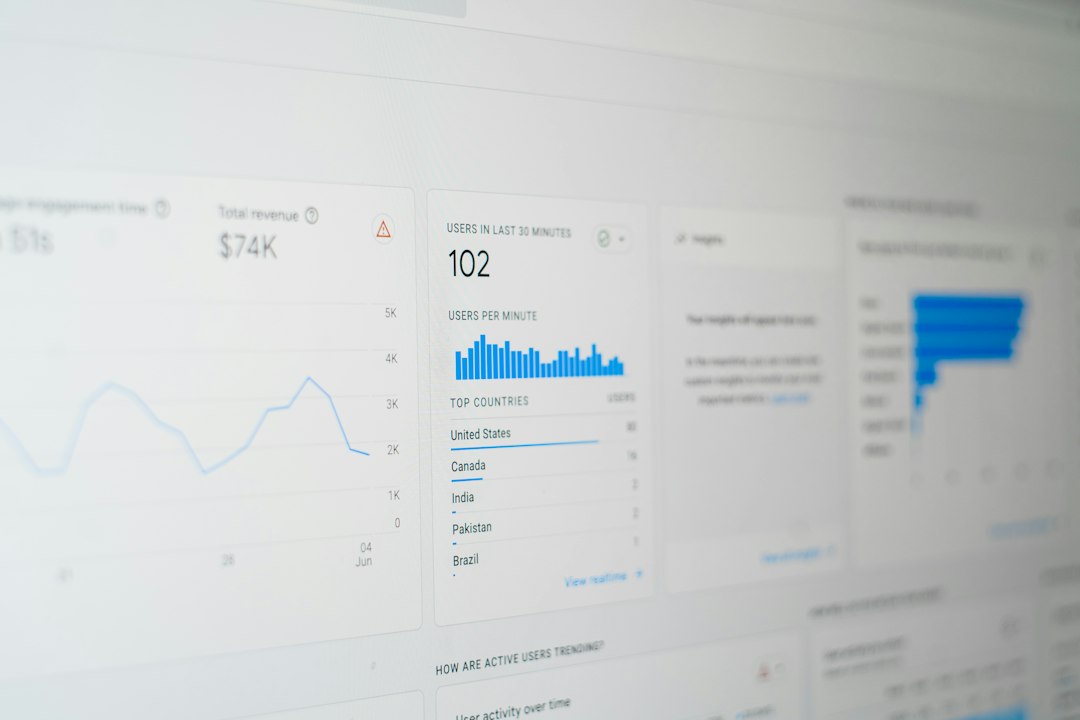
With SpaceTrax, the company could configure a dashboard showing all 36 satellites, sorted by mission status, orbital plane, and risk level. If five satellites have upcoming close approach events within the next seven days, those objects can be flagged automatically. If one satellite changes altitude after a maneuver, the asset record updates and the compliance team can export a report. In this scenario, SpaceTrax may not replace flight dynamics expertise, but it could reduce repetitive monitoring work and improve situational awareness across engineering, leadership, and customer-facing teams.
Strengths of SpaceTrax
1. Centralized operational view: The biggest strength is consolidation. Space missions generate fragmented data, and a single source of truth is valuable for both technical and business teams.
2. Better decision speed: When risk events, asset status, and historical records are accessible from one interface, teams can respond faster. This is particularly useful during conjunction assessment, anomaly response, or customer reporting.
3. Useful for non-engineering stakeholders: Many space tracking tools are built primarily for orbital analysts. SpaceTrax appears most compelling when it translates complex tracking information into dashboards that executives, insurers, program managers, and compliance staff can also use.
4. Scalable fleet management: The platform is likely more valuable as the number of assets grows. A company with one experimental satellite may manage with basic tools, but a company with 20, 50, or 200 assets needs structured asset intelligence.
Potential Limitations
No platform solves every space operations problem. SpaceTrax users should consider a few limitations before adoption.
- Data quality dependency: Tracking accuracy depends heavily on input data. If orbital data is outdated or imprecise, the platform’s outputs will be limited.
- Integration complexity: Connecting telemetry systems, mission planning software, and external data feeds may require technical setup.
- Not a replacement for expert analysis: Automated alerts are useful, but complex conjunction decisions still require trained flight dynamics and mission operations personnel.
- Cost considerations: Smaller teams must weigh subscription or deployment costs against the operational savings from automation and reduced risk.
SpaceTrax Competitors
SpaceTrax competes in a growing market that includes space situational awareness, satellite operations platforms, and orbital analytics providers. The competitive landscape can be grouped into several categories.
1. Space Situational Awareness Providers
Companies in this category specialize in tracking satellites and debris, estimating conjunction risk, and providing orbital intelligence. Examples include commercial SSA providers that operate sensor networks or combine radar, telescope, and catalog data. These competitors may offer stronger raw tracking capabilities, especially if they own proprietary sensors. SpaceTrax, by contrast, may be more attractive if its strength is asset management and workflow integration rather than sensor ownership.
2. Satellite Operations Software
Some competitors focus on mission control, command scheduling, telemetry processing, and ground station coordination. These systems are often deeper on spacecraft operations but may be less focused on business-level asset tracking. If SpaceTrax integrates well with these systems, it can complement them rather than directly replace them.
3. Government and Public Catalog Tools
Public space object catalogs and government-provided conjunction notices remain important resources. They are often low-cost or freely accessible, making them attractive to smaller organizations. However, they may lack the customization, dashboarding, audit trails, and multi-stakeholder workflows that commercial platforms provide.
4. Custom Internal Systems
Large satellite operators sometimes build internal tracking and asset management tools. The advantage is customization; the disadvantage is maintenance burden. SpaceTrax can compete by offering faster deployment, regular updates, support, and standardized integrations.

Who Should Consider SpaceTrax?
SpaceTrax is most relevant for organizations that need more than basic object lookup. Good-fit users may include:
- Satellite constellation operators managing many spacecraft across multiple orbital planes.
- Launch service providers tracking deployed payloads and post-launch mission records.
- Space insurers assessing asset exposure, operational status, and risk trends.
- Government agencies needing shared visibility across programs or partner assets.
- Investors and portfolio managers monitoring space infrastructure companies and asset activity.
Final Verdict
SpaceTrax is a compelling concept for the modern space economy: a platform that turns orbital asset data into operational intelligence. Its strongest value lies in centralizing information, improving visibility, supporting risk workflows, and making space asset status understandable to both technical and non-technical teams.
It is not a magic substitute for accurate tracking data, expert orbital analysis, or mature mission operations. However, for organizations managing growing space portfolios, SpaceTrax can provide the structure and clarity needed to operate more confidently in increasingly crowded orbits. Compared with competitors, its success depends on how well it balances data accuracy, usability, integrations, and workflow automation. For teams that currently rely on scattered tools and manual reporting, that combination could make SpaceTrax a very practical upgrade.