

ABS Testauslösung means the anti-lock braking system has been triggered, tested, or commanded to run a diagnostic check. In plain terms, the vehicle is checking whether it can prevent wheel lock during braking. Modern ABS is built to help the driver keep steering control during hard braking, especially on slippery roads [source: NHTSA]. If the event happens briefly after start-up, it can be normal. If it happens while driving for no clear reason, it deserves attention.
TLDR: ABS Testauslösung usually means the ABS has activated during braking or has run a system test through the vehicle’s electronics. A short pulse at start-up may be normal, but repeated pulsing, warning lights, or strange brake pedal feedback can point to a sensor, wiring, tire, or hydraulic issue. For example, a driver braking from 50 km/h on wet asphalt may feel rapid pedal vibration because ABS is cycling many times per second to stop wheel lock. In a repair case, one faulty wheel speed sensor can create false ABS activation even at a slow 10–15 km/h stop.
What “ABS Testauslösung” Means
ABS stands for Anti-lock Braking System. The German term Testauslösung means test triggering or test activation. Together, ABS Testauslösung can describe several related situations:
- Automatic self-test: The ABS control unit checks itself after the car starts moving.
- Diagnostic activation: A workshop scanner commands the ABS pump or valves to run.
- Real road activation: The system engages because one or more wheels are about to lock.
- False activation: The system reacts even though road grip and braking force do not justify it.
The phrase is often seen in German diagnostic tools, service reports, or workshop notes. It does not always mean something is broken. The context matters. A planned test in a garage is different from random ABS buzzing during a normal stop.
How ABS Works During Braking
ABS uses wheel speed sensors to compare how fast each wheel is turning. If one wheel slows too quickly, the control unit reads that as possible lock-up. It then adjusts brake pressure through hydraulic valves. This happens very fast.
The driver may feel:
- A pulsing brake pedal
- A buzzing or grinding sound
- Slight vibration through the floor
- Reduced pedal smoothness during emergency braking
That feedback can feel rough. Honestly, it feels like something expensive has just failed. In many cases, it is simply ABS doing its job. The system is not designed to make braking feel pleasant. It is designed to keep the tires from skidding.
Normal Causes of ABS Testauslösung
Some ABS activation is expected. A driver should not panic when it happens under clear conditions.
- Start-up self-check: Many cars run a short ABS check after the engine starts or after the vehicle reaches a low speed.
- Hard braking: A sudden stop can trigger ABS, especially if the road surface is uneven.
- Wet roads: Rain reduces tire grip, so wheels can lock more easily.
- Snow, ice, or gravel: Loose surfaces often cause ABS activity even with moderate brake pressure.
- Emergency avoidance: ABS may activate while the driver brakes and steers around an object.
In these cases, the system usually stops pulsing once traction returns or the driver eases pressure on the brake pedal.
Problem Causes: When ABS Activation Is Not Normal
Repeated ABS Testauslösung at low speed, on dry roads, or with gentle braking can indicate a fault. The most common causes are practical and slightly annoying to trace.
- Faulty wheel speed sensor: A weak sensor may send a false reading to the ABS control unit.
- Dirty sensor tip: Rust, metal dust, or road grime can distort the signal.
- Damaged tone ring: Cracks or missing teeth can confuse the sensor.
- Broken wiring: ABS sensor cables near the wheel are exposed to water, salt, and movement.
- Wrong tire size: Mismatched tires can rotate at different speeds and trick the system.
- Low brake fluid: Low fluid can trigger brake and ABS warnings.
- Weak battery voltage: Modern brake electronics do not like unstable voltage.
- ABS pump or valve fault: Less common, but more expensive.
It drives many owners crazy that a small sensor issue can feel like a major brake failure. A scan tool may show a fault code in seconds, but finding the cracked wire behind the hub can take much longer.
Warning Signs That Need Service
An ABS event during one hard stop is not usually a crisis. A pattern is different. The vehicle should be inspected if any of these signs appear:
- ABS warning light stays on after start-up
- Brake warning light appears together with the ABS light
- ABS activates during gentle braking on dry pavement
- Pedal pulsing occurs below 10 km/h before a normal stop
- Brake pedal feels soft or sinks slowly
- Vehicle pulls to one side during braking
- Grinding, humming, or pump noise continues after braking
If the red brake warning light appears, the driver should treat it more seriously than a yellow ABS light. A red brake light can mean a hydraulic brake issue, parking brake fault, or low fluid. That is not something to ignore.
Is It Safe to Drive?
If only the yellow ABS light is on, the vehicle may still have normal base braking. However, the anti-lock function may be disabled. That means the wheels can lock during hard braking. Steering control can be reduced in an emergency.
If the brake pedal feels normal and no red brake light is present, the car may be driven carefully to a workshop. Speed should be reduced. Extra following distance is wise. Hard braking should be avoided where possible.
The vehicle should not be driven if:
- The brake pedal goes to the floor
- Brake fluid is leaking
- The red brake warning light is on
- The car cannot stop straight
- Grinding noise is severe
In those cases, towing is the safer choice.
How a Workshop Diagnoses ABS Testauslösung
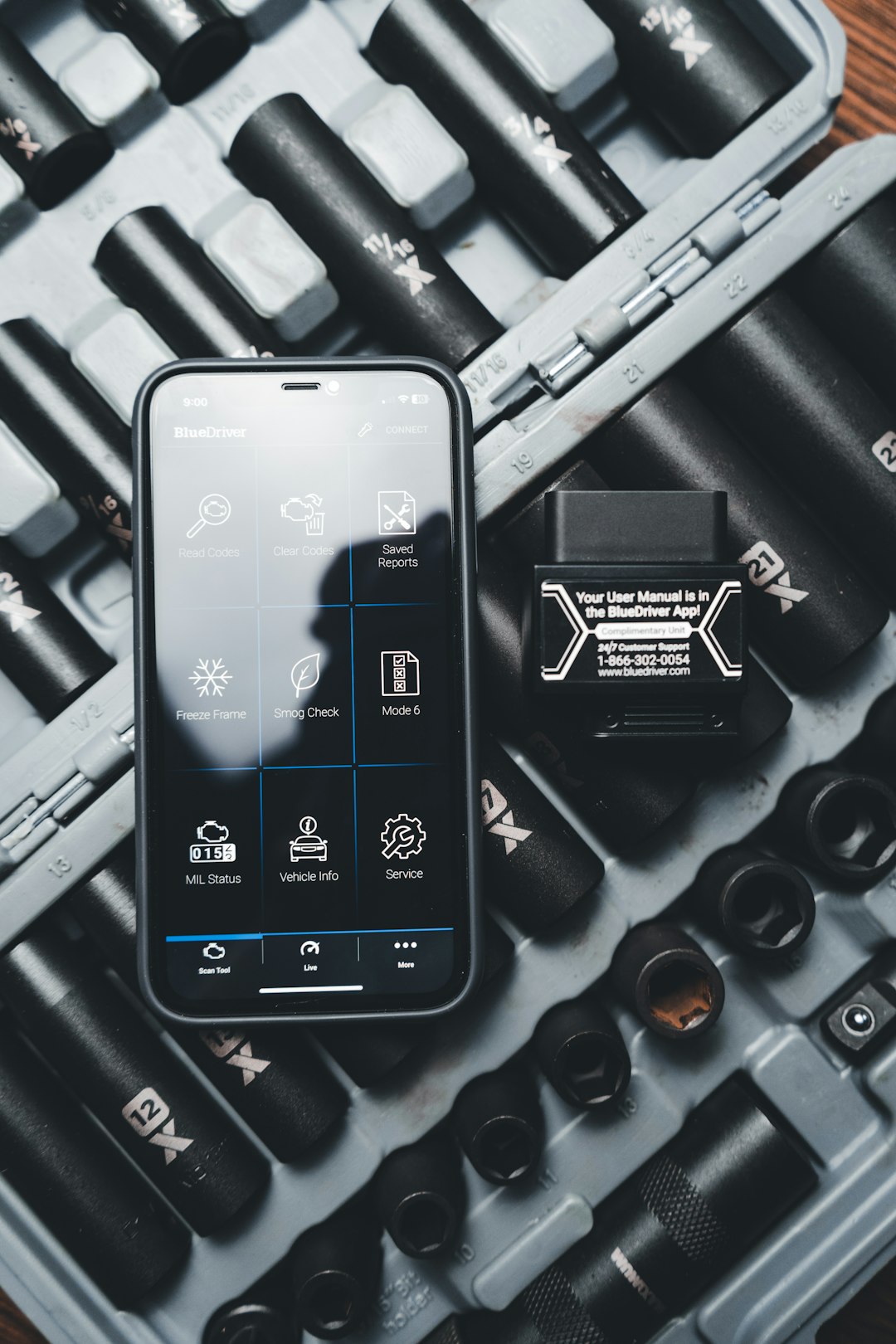
A technician usually starts with a diagnostic scan. The ABS control unit stores fault codes when it sees unusual data. Common codes point to wheel speed sensors, pump motors, valve circuits, or communication issues.
Then comes live data. The technician may watch all four wheel speeds while the car moves slowly. If three wheels show 8 km/h and one suddenly drops to 0 km/h, the fault is likely near that wheel. The sensor, ring, bearing, or wiring then gets inspected.
A proper check may include:
- Reading ABS fault codes
- Checking live wheel speed data
- Inspecting sensor wiring and plugs
- Checking tone rings and wheel bearings
- Testing battery and charging voltage
- Bleeding brakes if hydraulic work was done
- Running an ABS actuator test with a scan tool
Driver Safety Tips
ABS helps, but it does not cancel physics. Tire grip still decides how quickly a vehicle can stop. Worn tires, cheap tires, or wrong tire pressure can make ABS work harder and stop the vehicle later.
- Keep steady pressure on the brake pedal during ABS activation.
- Do not pump the brakes on a modern ABS-equipped car.
- Look where the vehicle should go and steer smoothly.
- Replace worn tires before tread depth becomes unsafe.
- Fix ABS warning lights before winter or long trips.
- Use matching tire sizes on all wheels unless the vehicle maker specifies otherwise.
FAQ
What does ABS Testauslösung mean in English?
It means ABS test activation or ABS test triggering. It can refer to a self-test, workshop diagnostic test, or actual ABS activation while braking.
Is ABS Testauslösung always a fault?
No. A brief self-check can be normal. ABS activation during hard braking on wet, icy, or loose roads is also normal.
Why does the brake pedal vibrate during ABS activation?
The vibration comes from rapid brake pressure changes. The ABS unit releases and reapplies pressure to reduce wheel lock.
Can a bad sensor trigger ABS at low speed?
Yes. A weak wheel speed sensor, damaged tone ring, or broken wire can make the control unit think a wheel is locking.
Can the car be driven with the ABS light on?
It may still brake normally, but ABS may not work. The driver should be cautious and arrange inspection soon. If the red brake light is also on, the car should not be driven.
Does ABS shorten stopping distance?
Not always. Its main safety value is steering control during hard braking. On some loose surfaces, stopping distance can still be longer.
What is the most common repair?
Wheel speed sensor replacement is common. Cleaning corrosion, repairing wiring, or replacing a damaged tone ring may also solve the issue.