

Choosing between AccuRanker and Ahrefs is not simply a question of which SEO tool is “better.” It depends on whether your primary need is highly accurate rank tracking or a broader platform that supports keyword research, backlink analysis, competitor intelligence, technical audits, and content planning. Both tools are respected in the SEO industry, but they serve different operational priorities.
TLDR: AccuRanker is best for teams that need fast, precise, and scalable keyword rank tracking, especially agencies reporting on hundreds or thousands of keywords. Ahrefs is better for businesses that want a complete SEO suite covering backlinks, keyword research, site audits, and competitor analysis. For example, an agency tracking 25,000 keywords across 12 markets may benefit more from AccuRanker’s reporting speed, while a startup growing organic traffic from 5,000 to 50,000 monthly visits may rely more on Ahrefs’ broader research tools.
Core Difference: Specialist Tool vs All-in-One Platform
AccuRanker is a specialist rank tracking platform. Its main purpose is to monitor search engine rankings accurately, frequently, and at scale. It is designed for SEO professionals who need reliable visibility into keyword movements, share of voice, search intent patterns, landing page performance, and market-level ranking changes.
Ahrefs, by contrast, is a full SEO platform. Rank tracking is only one part of its offering. Its strength lies in combining backlink data, keyword databases, site auditing, competitor analysis, and content research into a single workflow. This makes it useful for teams that need to make strategic SEO decisions from multiple data sources.
In short, AccuRanker answers the question: “How are our rankings changing, and what does that mean?” Ahrefs answers a broader question: “Where are our SEO opportunities, risks, and competitive gaps?”
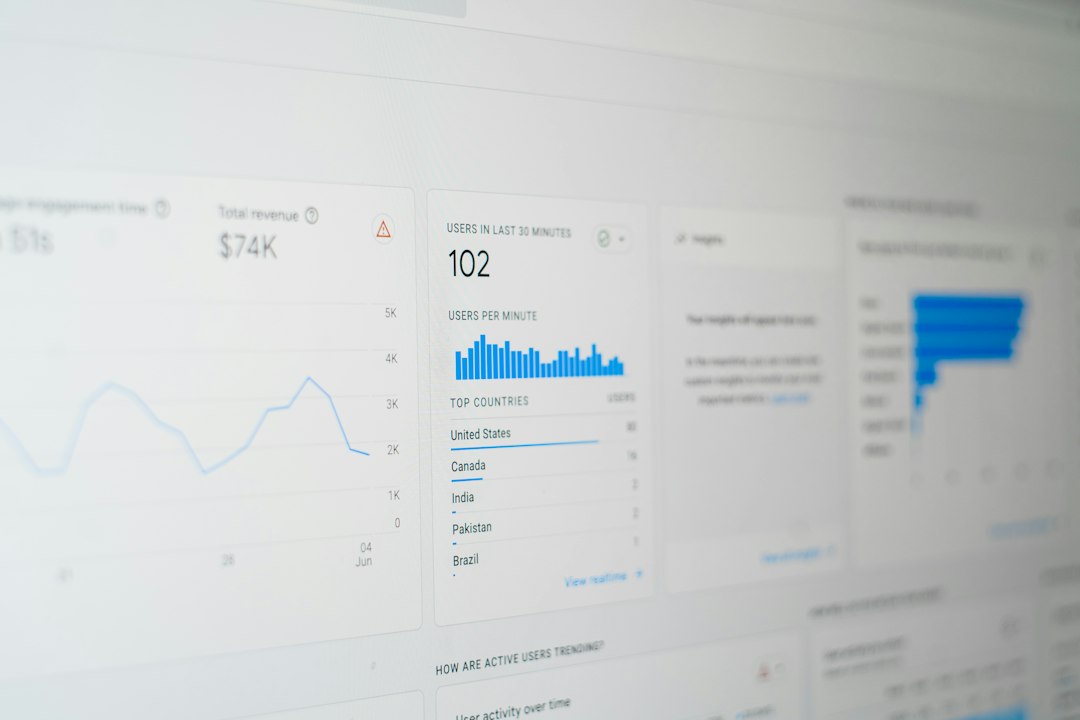
Rank Tracking: Where AccuRanker Stands Out
Rank tracking is AccuRanker’s core competency. The platform is known for its speed, data freshness, and reporting flexibility. Users can refresh keyword rankings on demand, which is particularly valuable after algorithm updates, major content launches, or technical site changes.
For agencies, this can be a decisive advantage. Clients often ask why rankings dropped or improved, and waiting days for updated data can weaken trust. AccuRanker’s ability to provide near-immediate updates helps teams respond with evidence rather than assumptions.
AccuRanker also performs well for large keyword portfolios. It supports tracking across multiple locations, devices, search engines, and languages. This matters for businesses operating in local SEO, ecommerce, travel, SaaS, or international markets, where ranking performance can differ significantly by region and device type.
- Best for: agencies, enterprise SEO teams, ecommerce businesses, and international SEO projects.
- Main advantage: fast, accurate, scalable rank tracking.
- Potential limitation: it does not replace a full SEO research and backlink platform.
Ahrefs Rank Tracking: Useful, but Not the Main Attraction
Ahrefs includes rank tracking, but it is not the platform’s primary strength. Its rank tracker is solid for monitoring keyword positions over time, grouping keywords, comparing competitors, and observing visibility trends. For many small and medium-sized businesses, this is sufficient.
However, when compared directly with AccuRanker, Ahrefs rank tracking may feel less specialized. Teams that need frequent ranking refreshes, deep reporting segmentation, or very large keyword tracking operations may find AccuRanker more suitable.
That said, Ahrefs’ advantage is context. A ranking drop can be investigated using its backlink index, content explorer, keyword data, and site audit tools. If a page loses visibility, Ahrefs can help identify whether the cause might involve lost links, stronger competitor content, search volume shifts, cannibalization, or technical problems.
SEO Research and Competitive Analysis
This is where Ahrefs clearly becomes more comprehensive. Its keyword research tools allow users to evaluate search volume, keyword difficulty, parent topics, related terms, and competitor-ranking pages. For content teams, this helps prioritize topics based on both demand and ranking feasibility.
Ahrefs’ competitor analysis is especially valuable. You can enter a competing domain and see which keywords drive its estimated organic traffic, which pages perform best, and where backlinks are coming from. This can directly inform content strategy, link building, and market positioning.
AccuRanker does include competitor tracking in the context of rankings, but it is not intended to replace Ahrefs for broad competitive research. It shows how competitors perform against your tracked keyword set, while Ahrefs helps discover the wider landscape of opportunities you may not be tracking yet.

Backlink Analysis and Link Building
Ahrefs is widely recognized for its backlink database. For many SEO professionals, this is one of the main reasons to subscribe. It helps identify referring domains, anchor text distribution, lost and gained links, broken backlinks, and competitor link sources.
If link building is part of your SEO strategy, Ahrefs offers a clear advantage. You can analyze competitors’ backlink profiles, find resource pages, detect content that naturally earns links, and monitor whether important backlinks are lost over time.
AccuRanker does not compete directly in this area. It may show the ranking impact of link building campaigns, but it will not provide the same backlink discovery and analysis capabilities. A practical workflow might involve using Ahrefs to plan and monitor link acquisition, then using AccuRanker to measure how those efforts affect keyword visibility.
Site Audits and Technical SEO
Ahrefs includes a site audit tool that crawls your website and identifies technical SEO issues such as broken links, redirect problems, missing meta tags, slow pages, duplicate content, and indexability concerns. While dedicated technical SEO tools may go deeper, Ahrefs is strong enough for many routine audits and ongoing monitoring tasks.
AccuRanker is not designed as a technical audit platform. It can help reveal symptoms of technical problems through ranking changes, but it will not diagnose crawl errors, internal linking issues, or HTML-level optimization problems in the same way.
This distinction is important for smaller teams. If you only have budget for one SEO tool and need technical auditing, keyword research, backlink data, and rank tracking, Ahrefs is usually the more practical choice. If you already have tools for auditing and research, AccuRanker may be the better specialist addition.
Reporting and Client Communication
AccuRanker is particularly strong in reporting. Its dashboards are built around rank performance, share of voice, keyword groups, landing pages, and competitor visibility. For agencies, this can make monthly or weekly reporting more efficient and more credible.
The ability to segment performance by tag, device, location, or search engine helps translate ranking data into business insights. For example, instead of saying “rankings improved,” an agency can report that mobile visibility in the UK increased by 18% across high-intent commercial keywords.
Ahrefs also provides reporting capabilities, but its reporting is spread across different SEO functions. This is useful for strategic analysis, though it may require more interpretation when presenting concise rank-focused updates to clients or executives.

Pricing and Value Considerations
Value depends heavily on use case. AccuRanker pricing is typically based on the number of keywords tracked, which makes sense for teams that treat rankings as a core performance metric. If your business tracks large keyword sets and needs frequent updates, the investment can be justified by time savings and reporting accuracy.
Ahrefs pricing reflects its broader toolset. You are paying for rank tracking, keyword research, backlink analysis, audits, and competitive intelligence. For a business without multiple SEO subscriptions, Ahrefs can be more cost-effective because it consolidates several functions into one platform.
The risk is paying for features you do not use. If your team only needs professional rank tracking and already has other tools for research and audits, Ahrefs may be unnecessarily broad. Conversely, if you choose AccuRanker but still need backlink and keyword research tools, you may end up requiring additional subscriptions.
Which Tool Should You Choose?
Choose AccuRanker if your main priority is reliable rank tracking at scale. It is especially suitable for SEO agencies, enterprise teams, and businesses operating across multiple markets. It is also a strong choice when reporting accuracy, speed, and keyword segmentation are central to your workflow.
Choose Ahrefs if you need a complete SEO suite. It is better for discovering keyword opportunities, analyzing competitors, auditing websites, and building links. It offers a more rounded toolkit for teams responsible for the full SEO process, from research to execution and monitoring.
Final Verdict
AccuRanker and Ahrefs are not direct substitutes in the strictest sense. AccuRanker is a premium rank tracking solution, while Ahrefs is a comprehensive SEO intelligence platform. The right choice depends on whether your immediate challenge is measurement or strategy.
For many mature SEO teams, the strongest setup may be using both: Ahrefs for research, audits, and backlinks, and AccuRanker for precise rank monitoring and reporting. If you must choose one, let your workflow decide. When rankings are your central deliverable, AccuRanker is the sharper instrument. When you need one platform to guide the entire SEO program, Ahrefs is the more complete choice.