

Change has always been a constant, yet the pace and complexity of transformation in the modern world demand a more deliberate and structured response. Stormuring is an emerging framework for navigating change with both agility and intention. Blending structured planning with adaptive energy, Stormuring acknowledges that disruption is not an obstacle to overcome but a force to channel. It offers organizations and individuals a way to transform uncertainty into momentum.
TLDR: Stormuring is a modern change framework that combines structured planning with adaptive flexibility. It treats disruption as a catalyst rather than a threat, guiding teams through deliberate phases of tension, insight, and momentum. By integrating emotional awareness, strategic design, and continuous feedback, Stormuring makes transformation more sustainable. The result is a practical yet dynamic approach to navigating complexity in rapidly evolving environments.
Understanding the Concept of Stormuring
The word Stormuring blends the ideas of a “storm” and “structuring.” It reflects a powerful truth: meaningful change often feels chaotic before it becomes coherent. Traditional frameworks tend to prioritize control, predictability, and linear progression. Stormuring, by contrast, assumes that volatility is inevitable and even necessary.
Rather than suppressing uncertainty, Stormuring leverages it. It recognizes three core realities of modern change:
- Disruption is constant — Technological, social, and economic shifts occur faster than legacy systems can adapt.
- Emotions shape outcomes — Resistance, fear, and excitement are not side effects; they are central drivers.
- Adaptation requires structure — Flexibility without direction leads to drift, not progress.
Stormuring responds to these realities with a flexible yet disciplined architecture, turning turbulence into strategic advantage.

The Five Phases of Stormuring
At its core, Stormuring unfolds across five interconnected phases. These phases are not strictly linear; they overlap and inform each other, encouraging continuous movement rather than rigid progression.
1. Recognition
Every transformation begins with awareness. The Recognition phase involves identifying the storm — external pressures, internal stagnation, or emerging opportunities. Leaders and teams ask:
- What is shifting in our environment?
- Where are we experiencing tension or misalignment?
- What assumptions no longer serve us?
Recognition requires honest diagnosis. It demands data, reflection, and often uncomfortable conversations. This phase establishes clarity and prevents superficial change efforts.
2. Containment
Stormuring does not encourage reckless reaction. Instead, it emphasizes containment — creating a psychological and strategic boundary within which turbulence can be examined safely.
Containment strategies might include:
- Forming cross-functional change teams
- Defining transformation goals
- Clarifying decision-making authority
- Establishing communication norms
This stage stabilizes energy. It acknowledges emotional volatility while preventing chaos from spreading unchecked.
3. Channeling
Once the storm is contained, its energy can be channeled productively. Channeling converts frustration into creativity and uncertainty into experimentation.
Here, organizations:
- Test new ideas through pilots
- Encourage innovation cycles
- Solicit continuous feedback
- Revise outdated processes
Channeling is where possibility expands. It is fueled by openness, collaboration, and structured risk-taking.
4. Structuring
Insights without integration remain temporary. Structuring ensures that successful innovations become embedded in systems, policies, and culture.
This phase includes:
- Codifying best practices
- Redesigning workflows
- Aligning incentives and metrics
- Institutionalizing learning loops
Structuring transforms experimentation into sustainable progress.
5. Renewal
Finally, Stormuring culminates in renewal — a period of reflection, consolidation, and preparation for future waves of change. Rather than striving for permanence, renewal accepts that stability is temporary.
Organizations review lessons learned and recalibrate for the next cycle, fostering a culture that is both vigilant and optimistic.
Why Stormuring Reflects Modern Realities
Modern organizations face what researchers often call a VUCA environment — volatility, uncertainty, complexity, and ambiguity. Standard linear change models struggle in this environment because they assume predictability.
Stormuring offers an alternative philosophy:
- Change is cyclical, not one-directional.
- Emotion is strategic, not incidental.
- Experimentation is essential, not optional.
By integrating these principles into its design, Stormuring addresses both the rational and human dimensions of transformation.
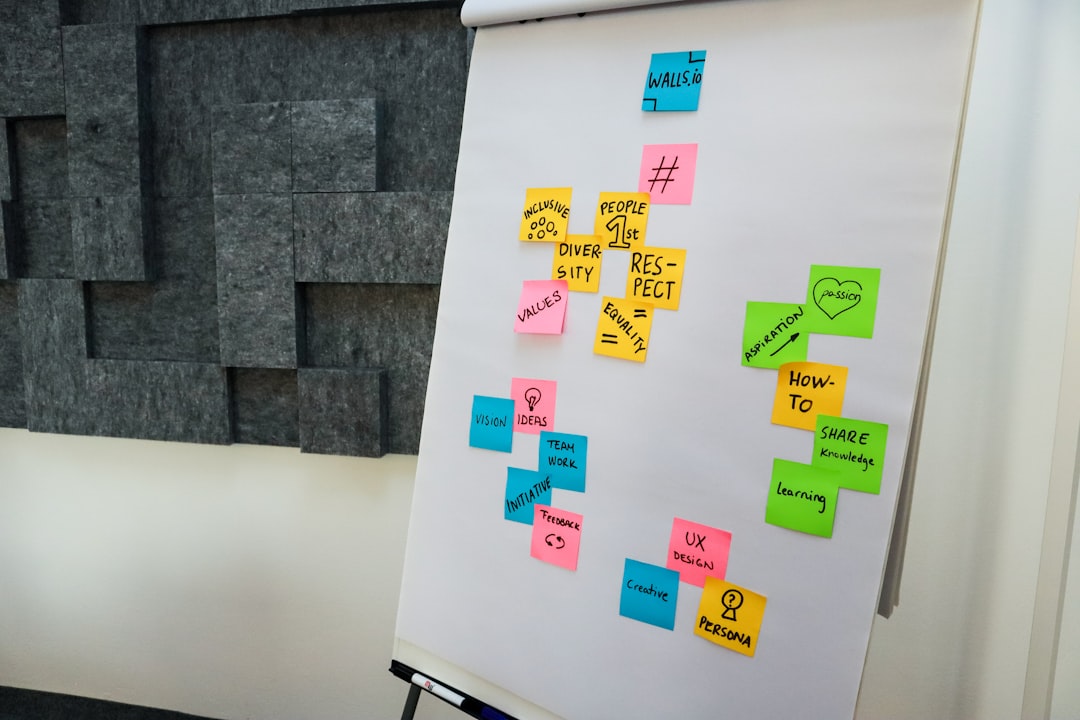
The Human Core of Stormuring
No framework succeeds without acknowledging people. Stormuring pays special attention to emotional dynamics.
During upheaval, individuals typically experience a range of responses:
- Denial — reluctance to accept the need for change
- Resistance — pushing back against uncertainty
- Exploration — curiosity about new approaches
- Commitment — embracing renewed direction
Stormuring encourages leaders to create psychological safety, where questioning and experimentation are welcomed. Communication becomes transparent and frequent. By acknowledging emotional undercurrents, Stormuring transforms skepticism into engagement.
Applications Across Contexts
Although particularly relevant for organizations, Stormuring applies equally to communities and individuals.
In Business
Companies navigating digital transformation can use Stormuring to balance innovation with operational continuity. Instead of abrupt overhauls, they experiment systematically while containing risk.
In Education
Schools adapting to technological shifts can channel uncertainty into curriculum redesign, ensuring learning models evolve with societal demands.
In Personal Development
Individuals facing career transitions can apply Stormuring principles by:
- Recognizing dissatisfaction
- Containing fear with planning
- Channeling energy into skill-building
- Structuring new habits
- Embracing renewal as growth
In every context, the framework offers both stability and movement.
Practical Tools Within the Framework
Stormuring is philosophical, but it is also practical. Implementation relies on concrete mechanisms such as:
- Feedback dashboards to monitor progress in real time
- Retrospective reviews after change initiatives
- Innovation labs for structured experimentation
- Scenario mapping to anticipate multiple futures
These tools give substance to the framework’s adaptive nature. They ensure that change is measurable and responsive rather than abstract.
Image not found in postmetaChallenges and Misinterpretations
Like any framework, Stormuring can be misunderstood. Some may interpret its embrace of turbulence as an invitation to disorder. Others may overemphasize structure, neutralizing the very adaptability that defines it.
Common pitfalls include:
- Skipping the Recognition phase and reacting impulsively
- Confusing experimentation with lack of accountability
- Failing to institutionalize successful changes
To avoid these issues, leaders must maintain balance. Stormuring thrives on dynamic tension between freedom and discipline.
The Future of Change Management
The future belongs to systems that evolve continuously. Static models of transformation are increasingly inadequate for environments shaped by artificial intelligence, shifting labor markets, and global unpredictability.
Stormuring aligns with a new leadership mindset — one that values adaptability, resilience, and shared responsibility. It assumes that turbulence will not disappear. Instead of waiting for calm, it teaches organizations to operate effectively within motion.
Ultimately, Stormuring reframes disruption as design material. It suggests that within every storm lies latent structure, waiting to be articulated. By applying recognition, containment, channeling, structuring, and renewal, change becomes less threatening and more purposeful.
In a world defined by perpetual motion, Stormuring offers something rare: a way to move through uncertainty without losing clarity. It is not merely a method for surviving disruption, but a blueprint for transforming it into sustained progress.