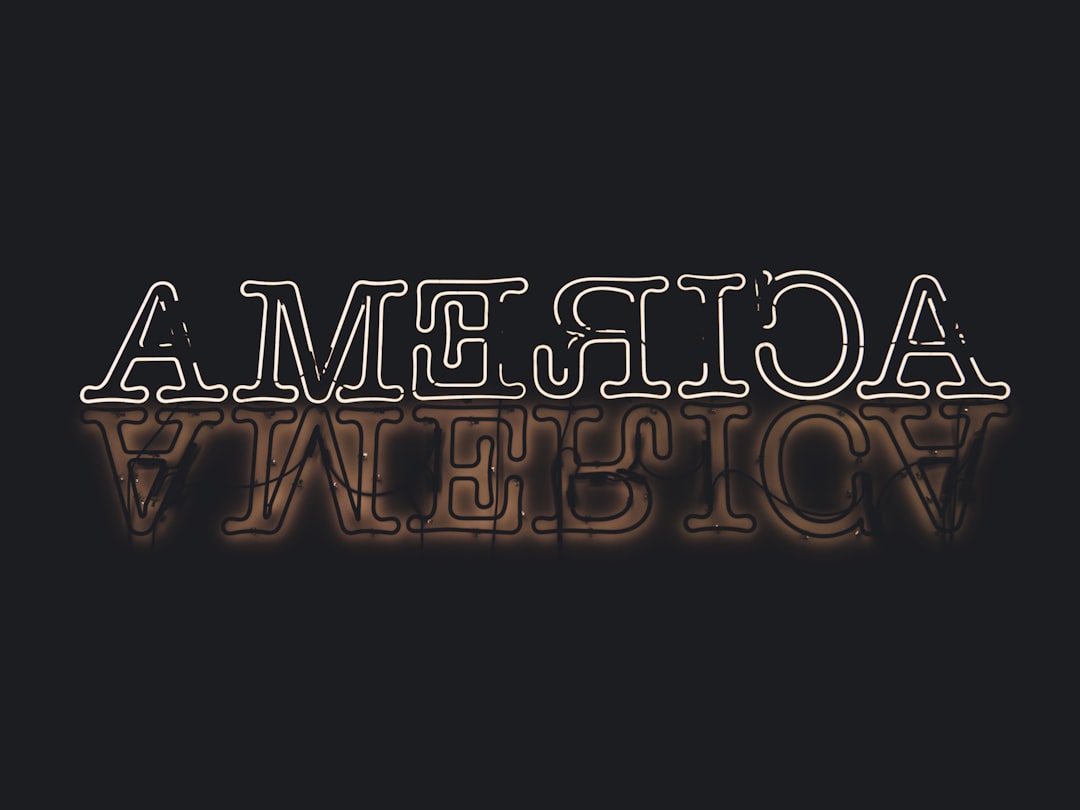
Great T-shirt art has a special kind of magic: it can make someone laugh, show off a personality, celebrate a subculture, or simply look great with jeans. The best-selling designs are rarely random; they usually combine visual impact, emotional appeal, and a clear reason for someone to say, “That feels like me.”
TLDR: The T-shirt art styles customers love most are easy to understand, visually memorable, and connected to identity, humor, nostalgia, or aesthetics. Best sellers often include vintage graphics, minimalist typography, bold illustrations, retro mascots, nature themes, and niche hobby designs. The strongest shirt art is not just “pretty”; it gives the buyer a reason to wear it proudly.
1. Vintage and Retro-Inspired Graphics
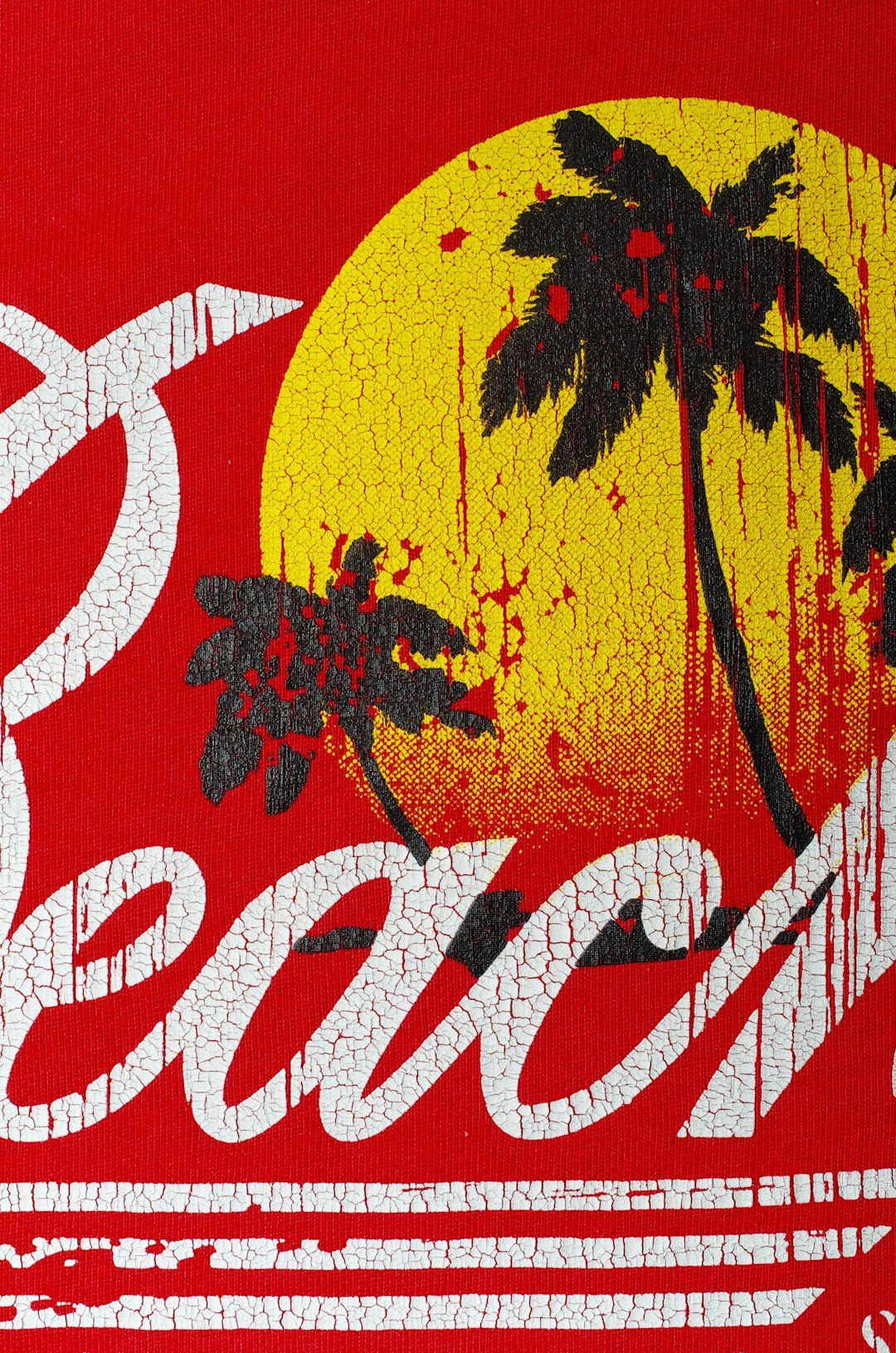
Vintage art continues to dominate T-shirt sales because it feels familiar, stylish, and emotionally warm. Designs inspired by the 1960s, 70s, 80s, and 90s often use faded colors, distressed textures, groovy lettering, sunbursts, old-school mascots, and classic badge layouts. These shirts look like they came from a beloved concert, road trip, diner, summer camp, or sports team of the past.
Customers love this style because it blends nostalgia with everyday wearability. A retro-style mountain resort shirt, a faded surf club graphic, or an old gas station illustration can feel authentic even if the place is fictional. The secret is storytelling: vintage T-shirt art often suggests a memory, even when the memory never happened.
2. Minimalist Typography
Not every best-selling T-shirt needs a complex illustration. In fact, some of the most popular shirts are built around a few perfectly chosen words. Minimalist typography works because it is clean, direct, and easy to wear. A short phrase in a strong font can be funny, stylish, sarcastic, motivational, or quietly personal.
This style performs especially well when the message is specific but not cluttered. Examples include understated affirmations, clever one-liners, profession-related phrases, fitness slogans, bookish sayings, and simple identity statements. The design might use a small chest print, centered text, or a subtle back print. White ink on black cotton, black ink on cream fabric, and muted earth-tone combinations are consistently popular.
For minimalist typography to sell, spacing and font choice matter enormously. A weak font can make the shirt feel generic, while a balanced layout can turn a simple phrase into a premium-looking design.
3. Bold Cartoon and Mascot Art
Cartoon-style T-shirt art is a sales powerhouse because it is expressive, playful, and instantly readable. Customers are drawn to characters with personality: a grumpy cat drinking coffee, a skateboarding skeleton, a cheerful mushroom, a tough raccoon, or a retro mascot holding a lightning bolt.
Mascot designs are especially effective because they create a sense of belonging. A fictional pizza club, camping crew, pickleball team, or coffee society feels fun and shareable. These shirts often use thick outlines, exaggerated expressions, limited color palettes, and comic-style poses. The result is art that looks great from a distance and photographs well for online stores.
This style also appeals across age groups. Kids enjoy the humor, teens like the attitude, and adults appreciate the nostalgic charm of cartoons that feel inspired by cereal boxes, arcade games, comics, and old restaurant signs.
4. Nature, Adventure, and Outdoor Themes
Outdoor-inspired T-shirt art remains one of the most reliable categories because it connects with a lifestyle many people admire. Mountains, forests, oceans, deserts, rivers, wild animals, campfires, and national park-style badges all sell well. Even people who only hike twice a year may still love wearing a shirt that says they appreciate fresh air and wide-open spaces.
Common visual approaches include circular badges, line-art landscapes, sunset gradients, topographic patterns, and hand-drawn animals. Bears, wolves, eagles, trout, deer, and owls frequently appear in best-selling outdoor designs. Shirts with phrases like “Stay Wild,” “Take the Scenic Route,” or “Weekend Explorer” work because they capture a mood rather than simply name an activity.

5. Funny and Relatable Statement Shirts
Humor sells because it creates an immediate connection. A funny T-shirt can act like a social shortcut, telling strangers what kind of personality the wearer has. The best humor shirts are usually not overly complicated; they rely on quick recognition and a punchy idea.
Popular categories include parenting jokes, coffee addiction, introvert humor, pet owner jokes, work-related sarcasm, gym humor, food puns, teacher sayings, gamer references, and hobby-specific jokes. Relatability is the key. A shirt that says something many people have thought—but with better timing—has a strong chance of selling.
However, good design still matters. Even the funniest phrase can look cheap if the layout is messy. Strong sellers often pair humor with clean typography, small supporting illustrations, or a vintage treatment that makes the joke feel more like a brand than a novelty item.
6. Hand-Drawn and Illustrated Art
Hand-drawn illustration gives T-shirts a personal, artistic feel. Customers often appreciate designs that look crafted rather than mass-produced. This style can include sketchy florals, whimsical animals, detailed linework, tattoo-inspired graphics, botanical drawings, surreal characters, or loose doodle-style compositions.
Illustrated T-shirts can appeal to shoppers looking for something more unique than a standard slogan tee. They are especially popular in niches like music, spirituality, pets, gardening, fantasy, streetwear, and alternative fashion. The hand-made quality adds charm and helps the design stand out in crowded marketplaces.
Black-and-white illustrations are particularly versatile because they print well on many shirt colors. Meanwhile, limited-color drawings can feel boutique and artistic without becoming too expensive or visually overloaded.
7. Streetwear and Graffiti-Inspired Designs
Streetwear-style T-shirts thrive on attitude. These designs often feature oversized graphics, edgy typography, graffiti lettering, chaotic layouts, symbols, flames, chrome effects, abstract shapes, and bold back prints. They are popular with customers who want clothing that feels expressive and fashion-forward.
This category is less about being universally liked and more about having a strong visual identity. A streetwear shirt should feel confident. High-contrast color, unusual placement, and layered composition can make the design feel more like a fashion piece than a basic tee.
Streetwear customers also respond well to limited-edition energy. Designs that look like they belong to an underground brand, music scene, skate crew, or art collective often have strong appeal.
8. Floral, Celestial, and Boho Styles
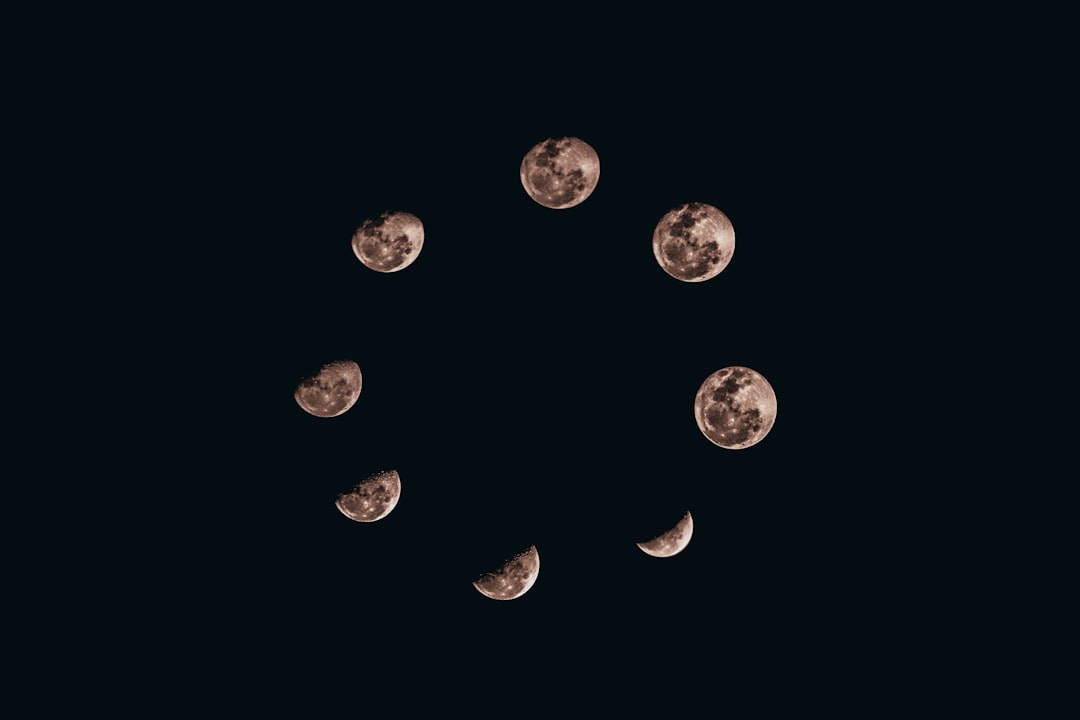
Soft, mystical, and nature-inspired designs are consistently popular, especially when they combine beauty with symbolism. Floral art, moon phases, suns, stars, hands, butterflies, snakes, crystals, and spiritual motifs appear often in best-selling T-shirt collections.
These designs usually work best with elegant linework, muted palettes, or warm earthy tones. They may include short phrases about growth, peace, healing, intuition, or self-love. Boho and celestial shirts are popular because they feel meaningful without being too loud.
9. Niche Hobby and Identity Designs
Some of the strongest-selling T-shirts target specific communities. A design for nurses, dog moms, gardeners, gamers, runners, teachers, guitar players, bird watchers, or pickleball fans can outperform a general design because the audience feels directly addressed.
Niche shirts sell when they combine accuracy with personality. Customers can tell when a design understands their world. A generic “I love fishing” shirt may be fine, but a clever illustration about early mornings, tangled lines, and quiet lakes will feel more authentic to real anglers.
What Makes a T-Shirt Art Style Truly Sell?
- Instant readability: Customers should understand the design quickly, especially online.
- Emotional connection: The shirt should express humor, pride, nostalgia, beauty, or belonging.
- Wearable colors: Popular palettes often include neutrals, faded tones, black and white, or tasteful pops of color.
- Clear niche appeal: Designs that speak to a specific audience often convert better.
- Strong composition: Good spacing, balance, and print placement make a shirt feel professional.
The best-selling T-shirt art styles are not just trends; they are visual languages customers use to express themselves. Whether the design is a vintage badge, a funny phrase, a hand-drawn flower, or a bold cartoon mascot, the goal is the same: make someone feel seen. When a shirt combines style, clarity, and personal meaning, it becomes more than clothing—it becomes a favorite.