
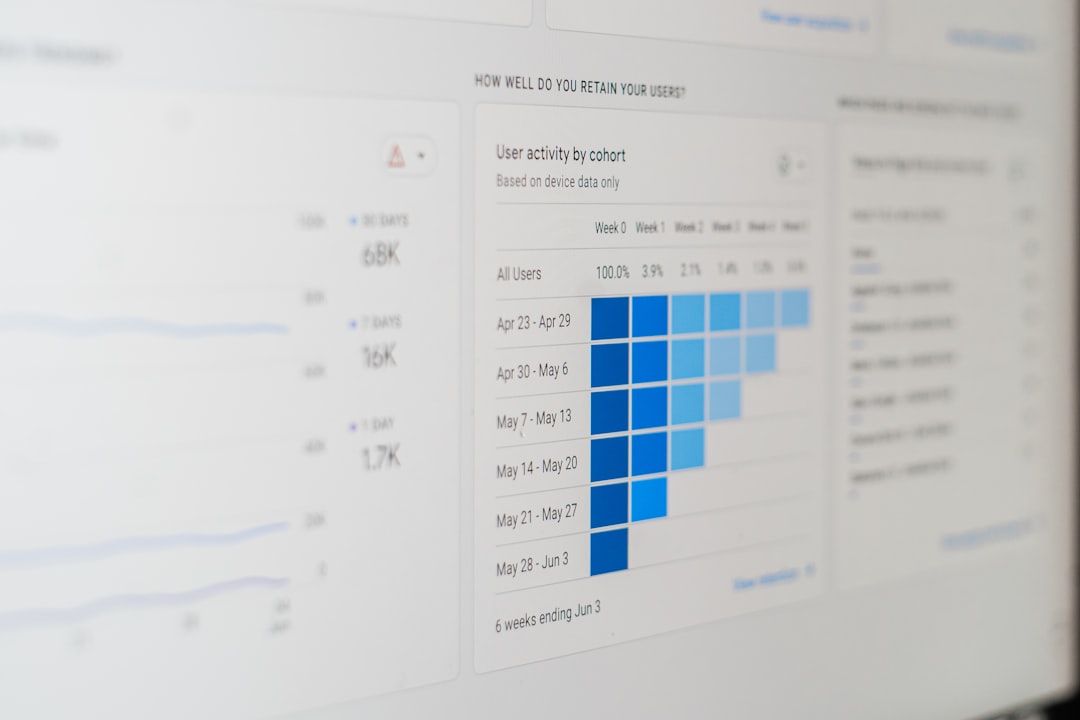
Conversion rate optimization, or CRO, is the practice of turning more visitors into leads, customers, subscribers, or users without necessarily increasing traffic. Instead of asking, “How do we get more people to our site?” CRO asks, “How do we help more of the visitors we already have take action?” The right tools can reveal friction, test better ideas, personalize experiences, and measure what actually moves revenue.
TLDR: CRO tools help businesses improve conversion rates through A/B testing, analytics, heatmaps, personalization, surveys, and funnel tracking. For example, an ecommerce store with 50,000 monthly visitors and a 2% conversion rate could gain 250 extra orders per month by improving conversions to 2.5%. If the average order value is $80, that small lift equals $20,000 in additional monthly revenue. The best platform depends on whether your biggest problem is unclear data, weak landing pages, checkout friction, or poor user insight.
Why CRO Tools Matter
A good CRO program combines data, experimentation, and customer understanding. Guesswork is expensive: changing a headline, button color, or pricing layout can help, but only if you know what users are doing and why they are hesitating. CRO platforms help teams identify drop-off points, compare page variants, watch user behavior, and prioritize high-impact improvements.
Most companies do not need every tool on the market. They need the right mix: one platform for analytics, one for testing, one for behavioral insights, and perhaps another for personalization or customer feedback.

20 CRO Platforms for Improving Conversions
- Google Analytics 4 — A foundational analytics platform for tracking traffic sources, events, user journeys, and conversions. It is especially useful for identifying which channels and pages produce high-value visitors.
- Hotjar — Known for heatmaps, session recordings, and feedback widgets. Hotjar helps teams see where users click, scroll, rage-click, or abandon a page.
- Microsoft Clarity — A free behavior analytics tool offering session recordings, heatmaps, and friction indicators. It is a strong choice for small teams that need visual insight without a large budget.
- Optimizely — An enterprise-grade experimentation platform for A/B testing, multivariate testing, and personalization. It works well for organizations with mature product, marketing, and development teams.
- VWO — A CRO suite that includes testing, heatmaps, surveys, session recordings, and personalization. VWO is popular because it combines multiple optimization capabilities in one platform.
- Unbounce — A landing page builder focused on lead generation and campaign conversions. Its templates, testing tools, and AI-powered copy features help marketers launch faster.
- Instapage — Designed for post-click landing page optimization. It offers personalization, collaboration features, and analytics for teams running paid advertising campaigns.
- Crazy Egg — Provides heatmaps, scroll maps, traffic snapshots, and A/B testing. It is especially useful for visualizing how visitors interact with long-form pages and product pages.
- Convert — A privacy-conscious A/B testing platform used by agencies and optimization teams. It supports advanced targeting while emphasizing compliance and clean experiment management.
- AB Tasty — Offers experimentation, personalization, feature rollout, and AI-assisted optimization. It is a strong option for brands that want both marketing tests and product experience experiments.
- Dynamic Yield — A personalization platform that helps deliver tailored product recommendations, content, and experiences. It is often used by ecommerce, travel, and financial services companies.
- Adobe Target — Part of the Adobe Experience Cloud, this tool supports testing, targeting, automated personalization, and AI-driven recommendations for larger digital teams.
- Contentsquare — A digital experience analytics platform that combines journey analysis, zone-based heatmaps, and behavioral insights. It is built for understanding complex customer paths.
- FullStory — Captures detailed digital experience data through session replay, funnels, dashboards, and frustration signals. Product teams use it to diagnose bugs, usability problems, and conversion blockers.
- Lucky Orange — Offers heatmaps, session recordings, live chat, form analytics, and surveys. It is approachable for small and mid-sized businesses looking for quick insights.
- Mouseflow — Focuses on session replay, heatmaps, funnels, form analytics, and user feedback. It is particularly helpful for spotting form abandonment and checkout friction.
- Typeform — A conversational form and survey platform. While not a testing tool, it improves conversions by making lead capture, quizzes, and feedback collection more engaging.
- Qualtrics — A powerful experience management platform for customer feedback, surveys, and research. It helps larger teams understand motivation, satisfaction, and barriers to purchase.
- HubSpot — Combines CRM, landing pages, forms, email marketing, automation, and reporting. HubSpot is useful when conversion optimization depends on nurturing leads after the first interaction.
- Klaviyo — An email and SMS marketing platform widely used in ecommerce. It improves conversions through abandoned cart flows, segmented campaigns, product recommendations, and lifecycle automation.

How to Choose the Right CRO Tool
Before buying software, define the problem you are trying to solve. If visitors are leaving product pages quickly, a behavioral analytics tool like Hotjar, Clarity, or FullStory may reveal the issue. If a paid campaign is getting clicks but few leads, a landing page platform like Unbounce or Instapage may be the better starting point.
For teams with enough traffic, experimentation platforms such as Optimizely, VWO, Convert, or AB Tasty can validate ideas with statistical confidence. For ecommerce brands, tools like Klaviyo and Dynamic Yield can lift revenue by personalizing messages, recommendations, and cart recovery flows.
Key Features to Look For
- A/B testing: Compare different versions of pages, offers, forms, or experiences.
- Heatmaps and recordings: See how users behave instead of relying only on aggregate metrics.
- Funnel analysis: Identify exactly where users drop off before converting.
- Form analytics: Discover which fields cause hesitation or abandonment.
- Personalization: Tailor content based on audience, behavior, location, or purchase history.
- Feedback collection: Ask visitors why they did not buy, sign up, or continue.
- Integrations: Connect CRO data with CRM, email, analytics, and advertising platforms.
Common CRO Mistakes to Avoid
One common mistake is testing tiny changes before fixing obvious problems. If your checkout page loads slowly, your pricing is confusing, or your form has unnecessary fields, solve those issues first. Another mistake is ending tests too early. A test that looks promising after two days may reverse after a full business cycle.
Teams should also avoid copying competitors blindly. What works for a subscription app may fail for a luxury retailer. The strongest CRO programs are built on your own data, your customers’ behavior, and your business model.

Building a Practical CRO Stack
A simple setup might include Google Analytics 4 for measurement, Microsoft Clarity for behavior insights, VWO for experiments, and Typeform for customer feedback. An ecommerce team might add Klaviyo for email and SMS recovery, plus Dynamic Yield for personalized recommendations.
The goal is not to collect tools; it is to create a repeatable process: find friction, form a hypothesis, launch a test, measure results, and apply what you learn. Over time, even modest improvements compound. A 5% lift on a landing page, a 7% lift in email recovery, and a 10% reduction in checkout abandonment can significantly affect revenue.
Final Thoughts
CRO tools are most powerful when paired with curiosity and discipline. They help teams move beyond opinions and uncover what users actually need to feel confident taking action. Whether you are optimizing a SaaS signup flow, an ecommerce checkout, or a lead generation landing page, the right platform can turn hidden friction into measurable growth.