

FleetLogix is best understood as a practical fleet services and fleet operations solution for organizations that need better control over vehicles, drivers, schedules, and day-to-day transportation workflows. Rather than treating fleet management as a single software screen, it focuses on the operational picture: where assets are, how they are being used, what costs are increasing, and which processes can be improved. This review looks at FleetLogix’s likely value for fleet-dependent businesses, its core features, and how it compares with major competitors in the market.
TLDR: FleetLogix is a serious option for businesses that want improved fleet visibility, dispatch coordination, driver oversight, and operational reporting. For example, a 60-vehicle service company using a fleet platform to reduce idle time by just 12% could save thousands of dollars per year in fuel and maintenance-related costs. Its strengths are most relevant to teams that need daily operational control, not just periodic vehicle reports. However, buyers should compare it carefully with platforms such as Samsara, Geotab, Verizon Connect, Motive, and Fleetio before committing.
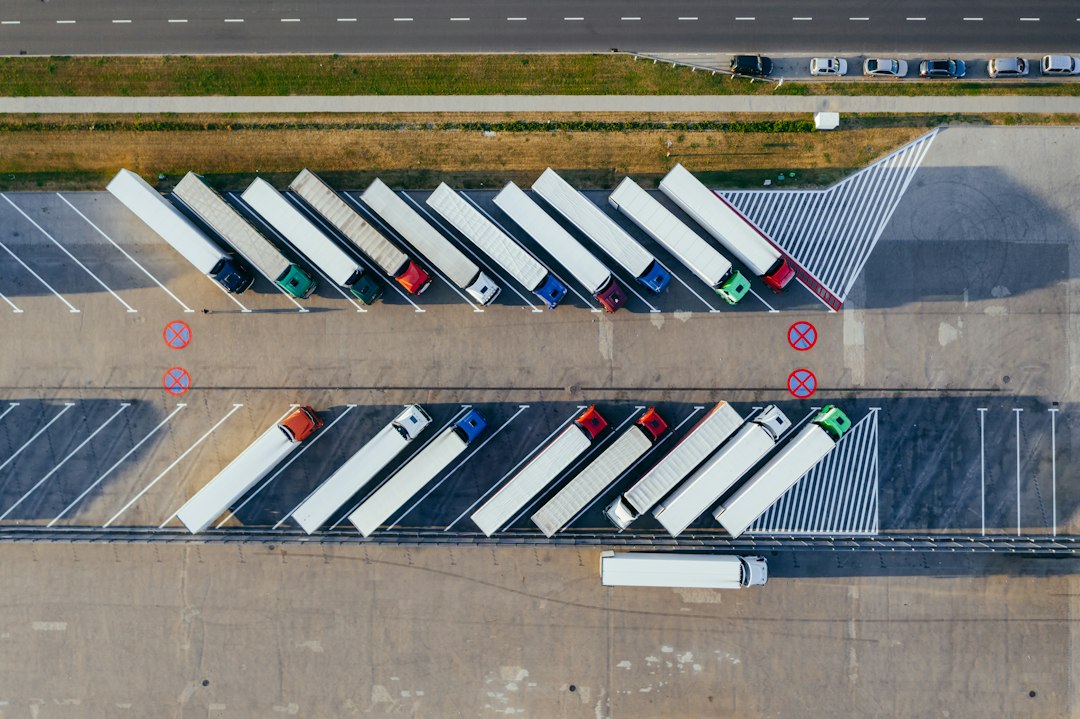
What Is FleetLogix?
FleetLogix can be reviewed as a fleet management and fleet services provider designed to help companies supervise their vehicles, drivers, routes, and performance data. Depending on the specific package or deployment, a fleet solution like this may include GPS tracking, dispatch support, reporting, maintenance coordination, safety monitoring, and productivity analytics.
For many organizations, the main appeal is not simply knowing where a vehicle is. The real benefit is being able to answer operational questions quickly: Which driver is closest to the next job? Which vehicles are underused? Which routes are causing delays? Which maintenance issues are becoming recurring costs? A platform such as FleetLogix is valuable when it turns those questions into clear, usable information.
Core Fleet Services
FleetLogix is most relevant for companies that operate multiple vehicles and need structured oversight. These may include service contractors, delivery operations, logistics firms, shuttle providers, field service teams, or organizations with mobile employees.
Common fleet services may include:
- Vehicle tracking: Real-time or near real-time visibility into vehicle locations, routes, stops, and activity history.
- Dispatch coordination: Tools to assign jobs, adjust routes, and improve communication between office staff and drivers.
- Driver management: Oversight of driver behavior, schedules, compliance needs, and performance trends.
- Maintenance planning: Reminders and records for inspections, service intervals, repairs, and vehicle availability.
- Reporting and analytics: Dashboards that help managers review utilization, route efficiency, idle time, and costs.
- Operational support: Depending on service level, assistance with fleet workflows, staffing, scheduling, or implementation.
The best fleet services do not simply collect data. They help managers make decisions. If FleetLogix is implemented properly, it can support faster dispatching, better vehicle utilization, fewer missed appointments, and improved accountability across the team.
Key Features to Evaluate
When reviewing FleetLogix, buyers should focus on features that directly affect operating costs and service quality. A polished interface is useful, but the platform must also provide accurate data, reliable alerts, and reports that managers will actually use.
1. GPS Tracking and Route Visibility
GPS tracking is usually the foundation of fleet management. It allows managers to monitor vehicle locations, confirm routes, investigate delays, and improve dispatch decisions. The most useful systems offer map views, trip history, geofencing, and alerts for unauthorized use or unusual activity.
2. Dispatch and Scheduling
Dispatch tools are especially important for service businesses and delivery teams. FleetLogix should be assessed on how easily dispatchers can assign work, update routes, and communicate changes. If a dispatcher can reassign a job in under one minute instead of making several phone calls, the operational benefit becomes clear very quickly.

3. Driver Performance Monitoring
Driver behavior affects fuel costs, accident risk, customer satisfaction, and vehicle wear. Features such as speeding alerts, harsh braking reports, idle time tracking, and safety scoring can help managers identify training needs. Used responsibly, this data should support coaching rather than simply punishment.
4. Maintenance and Asset Health
Maintenance tracking is one of the most practical areas of fleet management. Missed oil changes, delayed inspections, and poorly documented repairs can lead to downtime and expensive breakdowns. A good system should help schedule preventive service, track repair history, and identify vehicles that are becoming too costly to operate.
5. Reporting and Cost Control
FleetLogix should be judged by the quality of its reporting. Useful reports might show fuel trends, driver productivity, vehicle utilization, mileage, downtime, route performance, and exceptions. For example, if reports show that 15% of vehicles generate 35% of maintenance costs, management can make better replacement or reassignment decisions.
Strengths of FleetLogix
The strongest case for FleetLogix is its potential to bring order to complex fleet operations. Businesses that still rely on spreadsheets, phone calls, manual logs, and disconnected systems often struggle with inconsistent information. A centralized fleet platform can reduce confusion and create one reliable place for operational data.
Notable strengths may include:
- Improved visibility: Managers can see vehicle activity and respond faster to changes.
- Better accountability: Driver actions, route history, and job progress are easier to verify.
- Reduced waste: Idle time, inefficient routing, and underused assets become easier to identify.
- Scalable operations: A structured system is easier to expand as the fleet grows.
- Data-driven management: Decisions can be based on actual performance rather than estimates.
Potential Limitations
No fleet platform is perfect for every organization. FleetLogix should be evaluated carefully for integration options, contract terms, hardware requirements, mobile app quality, support availability, and reporting flexibility. Some companies may need deep compliance tools, while others may prioritize maintenance, fuel management, or customer-facing delivery updates.
Another important consideration is adoption. Even a capable platform will underperform if drivers resist it or managers do not use the reports. Successful implementation requires training, clear policies, and a realistic rollout plan. Businesses should ask for a demonstration using their own operational scenarios, not just a generic sales presentation.
FleetLogix Competitors
FleetLogix operates in a competitive market with several established providers. The right alternative depends on fleet size, industry, budget, compliance needs, and desired level of automation.
- Samsara: A major competitor known for connected operations, GPS tracking, dash cams, safety tools, equipment monitoring, and strong analytics. It is often suitable for larger or more technology-driven fleets.
- Geotab: A highly flexible fleet telematics platform with strong data capabilities, marketplace integrations, and broad hardware support. It is a strong choice for companies that want customization.
- Verizon Connect: Offers robust tracking, routing, compliance, and field service features. It may appeal to businesses looking for a well-known provider with extensive market presence.
- Motive: Popular with transportation and logistics companies, especially those needing driver safety, electronic logging, dash cams, and compliance workflows.
- Fleetio: Strong in maintenance management, inspections, asset records, and fleet cost tracking. It may be ideal for teams focused heavily on vehicle lifecycle management.
- Teletrac Navman: Provides GPS fleet tracking, compliance tools, safety insights, and analytics for commercial fleets in multiple industries.

Who Should Consider FleetLogix?
FleetLogix is a sensible option for companies that need stronger day-to-day control of mobile operations. It may be especially useful for businesses struggling with late arrivals, unclear vehicle usage, manual dispatching, excessive fuel consumption, or poor maintenance visibility.
A practical user scenario would be a regional maintenance company with 45 vans, 50 field technicians, and a small dispatch team. If the company reduces average daily idle time by 18 minutes per vehicle, that equals more than 13 hours of unnecessary engine time avoided each day across the fleet. Over a year, the savings could be meaningful, especially when combined with better routing and preventive maintenance.
Final Verdict
FleetLogix appears to fit the needs of organizations that want a more disciplined, visible, and data-supported approach to fleet services. Its value will depend on how well its tracking, dispatch, maintenance, driver management, and reporting features match the buyer’s operational requirements.
Before choosing FleetLogix, companies should compare it with Samsara, Geotab, Verizon Connect, Motive, Fleetio, and other relevant competitors. The best decision will come from reviewing real workflows, total cost, support quality, contract flexibility, and measurable return on investment. For businesses prepared to use the data consistently, FleetLogix can be a serious tool for improving fleet efficiency and operational accountability.