
Retail is no longer divided neatly into physical stores, ecommerce websites, mobile apps, marketplaces, social platforms, and customer service channels. Increasingly, these once separate parts of commerce are blending into a single connected experience. This shift is known as retail convergence, and it is reshaping how businesses sell, how consumers shop, and how technology supports every step of the journey.
TLDR: Retail convergence describes the merging of digital and physical commerce into one unified shopping ecosystem. It is driven by technologies such as artificial intelligence, mobile payments, omnichannel platforms, data analytics, and automation. For retailers, convergence creates opportunities to deliver faster, more personalized, and more convenient experiences. For consumers, it means shopping can begin on one channel and continue smoothly across many others.
What Retail Convergence Means
Retail convergence refers to the integration of multiple retail channels, technologies, and business models into a seamless commercial environment. A customer may discover a product on social media, compare prices on a mobile app, visit a store to see it in person, order it online, and return it through a local pickup point. In a converged retail model, each of these actions is connected through shared data, inventory systems, payment tools, and customer profiles.
This trend reflects a broader change in consumer expectations. Shoppers no longer think in terms of “online” versus “offline.” They expect retailers to recognize them, remember their preferences, provide accurate product availability, and offer flexible fulfillment options regardless of where the interaction begins. As a result, commerce is becoming more fluid, responsive, and technology driven.
Why Technology Is Driving the Shift
Technology is the main force behind retail convergence because it allows retailers to connect systems that were once isolated. Modern commerce platforms can link point of sale systems, ecommerce catalogs, loyalty programs, customer support tools, inventory databases, and marketing automation software. When these systems communicate in real time, retailers can create experiences that feel consistent and personalized.
Artificial intelligence plays a major role by analyzing customer behavior, predicting demand, recommending products, and automating service interactions. AI powered search engines can understand intent more accurately, while recommendation tools can suggest relevant products based on browsing history, purchase patterns, location, and seasonal trends.
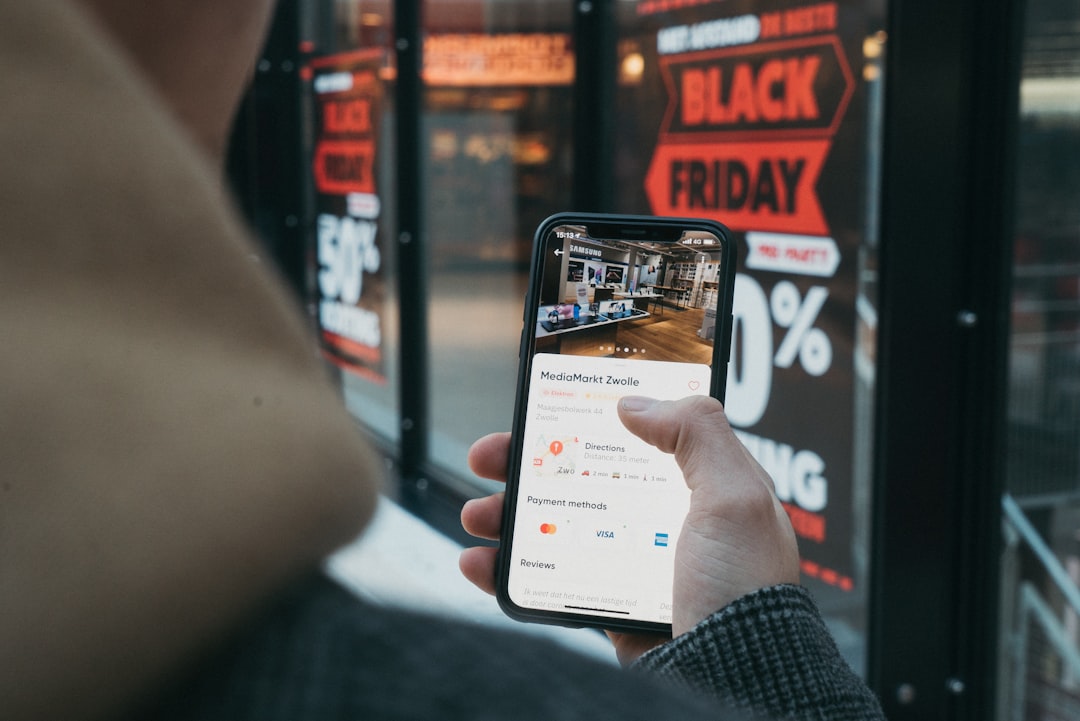
Mobile technology is another key driver. Smartphones have become the bridge between digital discovery and physical shopping. Consumers use them to scan QR codes, compare reviews in store, redeem digital coupons, pay at checkout, track orders, and receive location based offers. Retailers that design experiences around mobile behavior are better positioned to serve customers in real time.
The Rise of Omnichannel Commerce
Retail convergence is closely associated with omnichannel commerce. Unlike multichannel retail, where a business simply operates several channels, omnichannel retail connects those channels into one coordinated experience. The goal is continuity. A shopper should be able to add an item to a cart on a phone, view it later on a laptop, ask a question through live chat, and pick it up in a store without repeating information.
Common omnichannel features include:
- Buy online, pick up in store: Customers place orders digitally and collect them locally.
- Ship from store: Physical stores function as fulfillment hubs to speed delivery.
- Endless aisle: Store associates help customers order items not currently available in that location.
- Unified loyalty programs: Rewards apply across stores, apps, websites, and marketplaces.
- Cross channel returns: Customers can return online purchases in physical stores.
These capabilities require strong operational coordination. Inventory must be accurate, staff must be trained, and digital systems must update quickly. When executed well, omnichannel commerce increases convenience and strengthens customer loyalty.
Data as the Foundation of Converged Retail
Data is the connecting tissue of retail convergence. Every search, click, purchase, return, review, and service request can provide useful insight. Retailers use this information to understand demand, refine pricing, improve merchandising, and personalize communication.
However, the value of data depends on quality and responsibility. Retailers need clean, organized, and secure data systems. They must also respect privacy regulations and maintain customer trust. Consumers may welcome personalization, but they are increasingly aware of how their information is collected and used. The most successful retailers are transparent about data practices and provide clear value in exchange for customer information.
Physical Stores Are Being Reimagined
Retail convergence does not mean physical stores are disappearing. Instead, stores are evolving into experience centers, service hubs, fulfillment points, and brand destinations. Many shoppers still value the ability to touch products, receive personal assistance, and make immediate purchases. The difference is that store experiences are now enhanced by digital tools.
Examples include smart mirrors, interactive displays, mobile checkout, clienteling apps for associates, digital price tags, and augmented reality demonstrations. In fashion and beauty, virtual try on tools help customers preview products before buying. In electronics, guided kiosks can recommend products based on needs and budgets.

Store associates are also becoming more digitally enabled. With tablets or mobile devices, they can access customer preferences, check product availability across locations, recommend complementary items, and complete transactions anywhere in the store. This turns the store into a more flexible and service oriented environment.
Supply Chain and Fulfillment Trends
Behind the customer experience, retail convergence depends on modern supply chain capabilities. Fast delivery, accurate inventory, and flexible pickup options require strong logistics. Retailers are investing in warehouse automation, demand forecasting, robotics, and real time inventory tracking to support these expectations.
Micro fulfillment centers are gaining attention, especially in grocery, pharmacy, and urban retail. These smaller facilities are located closer to customers and help reduce delivery times. Stores are also being used as mini warehouses, allowing retailers to fulfill online orders from local stock instead of relying only on central distribution centers.
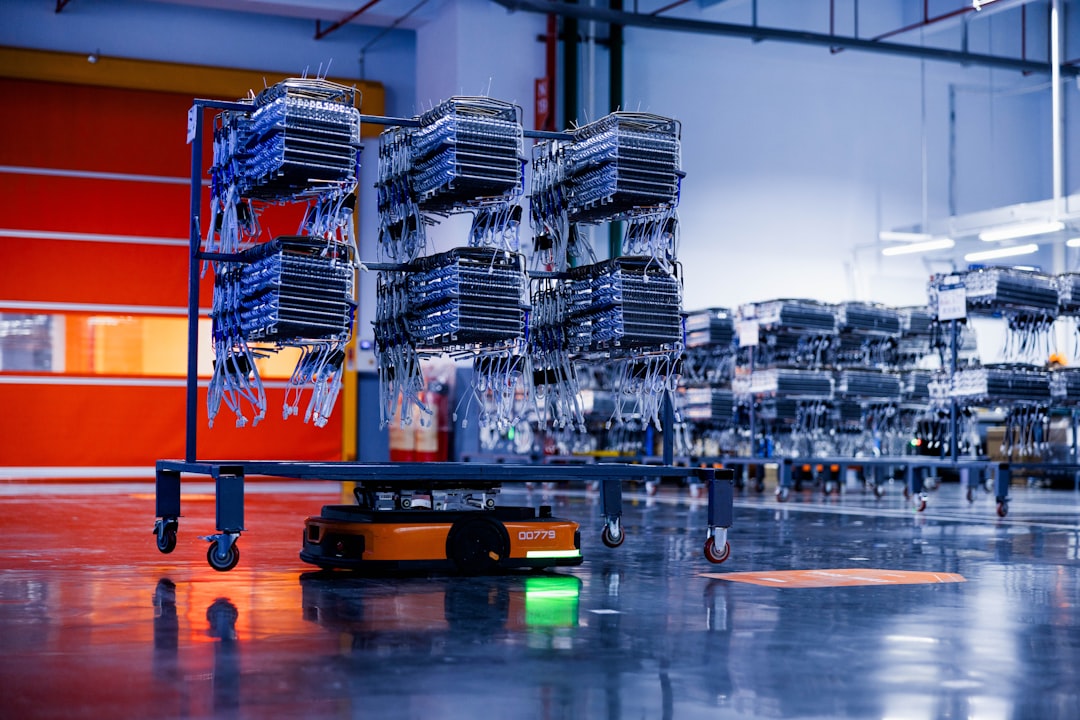
This operational convergence allows retailers to serve customers faster, but it also creates complexity. Businesses must balance store inventory for walk in shoppers with online demand. They must manage returns efficiently and reduce delivery costs. Technology helps, but strategy and execution remain essential.
Social Commerce and Marketplace Blending
Another important trend is the convergence of content, community, and commerce. Social media platforms now support product discovery, influencer marketing, live shopping, customer reviews, and direct checkout. This creates a shorter path from inspiration to purchase.
Marketplaces also blur the lines between retailer, distributor, media platform, and technology provider. Many brands sell through their own websites, third party marketplaces, social channels, and physical retail partners at the same time. The challenge is maintaining consistent pricing, branding, inventory visibility, and customer service across all of them.
Benefits and Challenges for Retailers
Retail convergence offers clear advantages. It can increase sales, improve customer satisfaction, reduce friction, and provide deeper insight into consumer behavior. It also allows retailers to become more resilient by serving customers through multiple connected channels.
At the same time, convergence creates challenges. Legacy systems may not integrate easily. Staff may need new skills. Data security risks increase as more systems become connected. Smaller retailers may struggle with cost and complexity. For this reason, many businesses adopt convergence gradually, starting with high impact improvements such as unified inventory, mobile payments, or cross channel loyalty programs.
The Future of Retail Convergence
The future of retail will likely become even more connected, predictive, and personalized. AI agents may help customers compare products and complete purchases automatically. Voice commerce, immersive virtual stores, biometric payments, and smart home replenishment systems may become more common. Sustainability will also influence convergence, as customers expect better visibility into sourcing, delivery impact, and product lifecycle.
Ultimately, retail convergence is not just about adding technology. It is about designing commerce around how people actually live, browse, decide, and buy. Retailers that connect convenience, trust, personalization, and operational excellence will be best positioned in the next era of commerce.
FAQ
What is retail convergence?
Retail convergence is the blending of physical stores, ecommerce, mobile apps, social platforms, payment systems, supply chains, and customer data into one connected shopping experience.
How is retail convergence different from omnichannel retail?
Omnichannel retail focuses on connecting sales and service channels. Retail convergence is broader because it also includes technology, logistics, data, media, payments, and changing retail business models.
Why is retail convergence important?
It matters because consumers expect convenience, speed, personalization, and flexibility. Retailers that connect their channels and systems can serve customers more effectively and compete in a rapidly changing market.
What technologies support retail convergence?
Key technologies include artificial intelligence, cloud commerce platforms, mobile payments, real time inventory systems, customer data platforms, automation, augmented reality, and advanced analytics.
Does retail convergence mean physical stores are less important?
No. Physical stores remain important, but their role is changing. They are becoming experience centers, service locations, pickup points, return hubs, and local fulfillment spaces within a larger connected retail ecosystem.