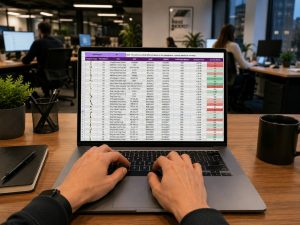
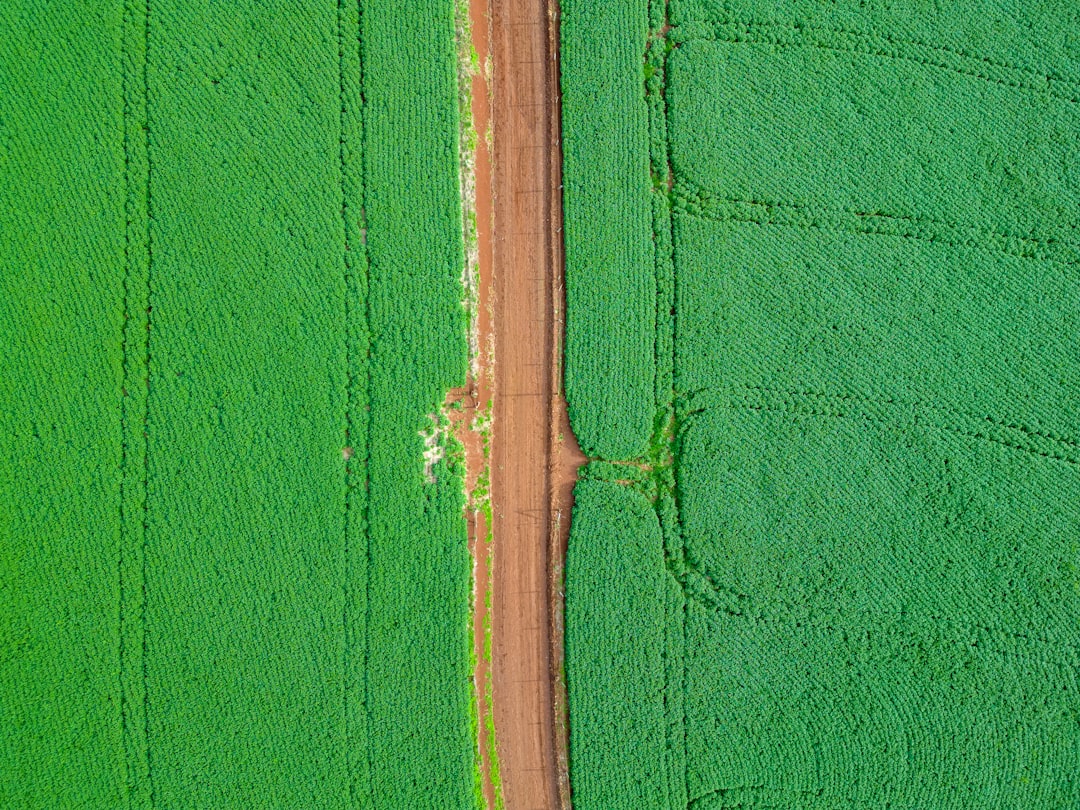
Fourier.earth sounds like a place where math shakes hands with planet Earth. That is a fun image. It also fits the name well. The company sits in the world of earth data, climate insight, maps, and modern technology. This article gives a simple overview of Fourier.earth, its headquarters idea, its work style, and why people may find it interesting.
TLDR: Fourier.earth is a modern company focused on making Earth data easier to use and understand. Its headquarters acts as the main hub for strategy, product work, teamwork, and big-picture planning. The company connects science, technology, and environmental thinking. In simple terms, Fourier.earth helps turn complex planet data into useful insight.
What Is Fourier.earth?
Fourier.earth is a company name that feels smart right away. The word “Fourier” comes from science and math. It is linked to ways of finding patterns in signals, waves, and data. The word “earth” brings the focus back to our planet. Put them together, and you get a name that suggests one big idea: use smart tools to understand Earth better.
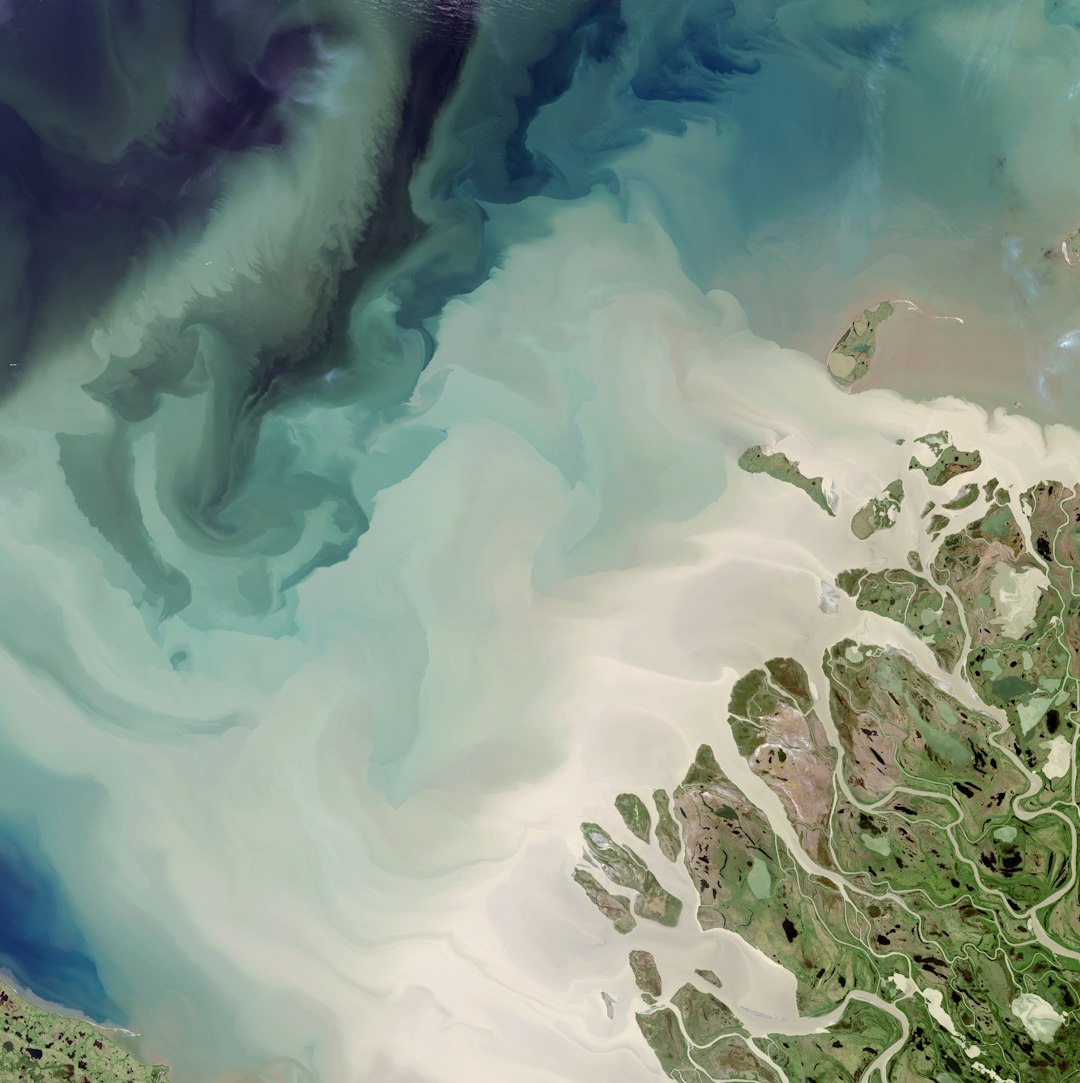
The company can be seen as part of a growing field. This field includes climate technology, geospatial data, environmental analytics, and digital mapping. These are fancy words. But the basic idea is simple. The planet creates a lot of data. Satellites see it. Sensors measure it. Weather systems shape it. Companies like Fourier.earth help make sense of it.
Think of Earth as a giant puzzle. There are oceans, forests, cities, farms, and clouds. Each piece is moving all the time. Fourier.earth works in a space where those pieces can be studied, compared, and turned into clearer knowledge.
Where Is Fourier.earth Headquarters?
The headquarters of a company is its main base. It is where leadership, planning, and key operations often come together. For Fourier.earth, the headquarters is best understood as the company’s central command space. It is the place where ideas become plans. It is where teams align. It is where the mission gets structure.
Exact headquarters details can change as companies grow. Startups and technology firms often move fast. Some begin with a small office. Some work remotely. Some keep a registered office in one place while team members work across many cities. Because of that, anyone needing a legal address should always check Fourier.earth’s official company materials or filings.
Still, the role of the headquarters is clear. It is not just a building. It is the brain center of the company. It helps coordinate product development, customer support, partnerships, hiring, finance, and long-term strategy.
Why Headquarters Matter
A headquarters may sound boring. It is not. It can be the “mission control” of a company. Imagine a room with maps, screens, coffee cups, and people asking big questions. Questions like:
- How can Earth data be easier to read?
- How can climate risk be measured better?
- How can maps become more useful for decisions?
- How can science help businesses and communities?
- How can complex information become simple?
That is why headquarters matter. They give a company rhythm. They create a place for focus. They also help shape the company culture. A strong headquarters can feel like a workshop, a lab, a classroom, and a launchpad all at once.
The Big Idea Behind Fourier.earth
The big idea is easy to explain. Fourier.earth helps people understand the planet through data. That may include maps, models, measurements, and digital tools. The work can be used by people who care about land, weather, climate, resources, risk, and change.
Earth data can be messy. It may come from many sources. It may be huge. It may need cleaning. It may need context. A raw data file can look like alphabet soup. Fourier.earth’s value is in helping turn that soup into something more useful. Maybe even soup with crackers.
For example, a company may want to know how land is changing. A city may want to understand climate trends. An investor may want to see environmental risk. A researcher may want better tools. Fourier.earth fits into this world of needs.
What Kind of Work Does the Company Do?
Fourier.earth appears to sit at the crossroads of technology, Earth science, and data analysis. That means its work may include building software, handling geospatial information, creating models, and supporting decisions.
Here are the kinds of activities that fit this company profile:
- Data collection: Bringing together information from Earth-focused sources.
- Data processing: Cleaning and organizing messy information.
- Mapping: Turning location data into visual tools.
- Analytics: Finding patterns, trends, and risks.
- Modeling: Using math and software to estimate what may happen.
- Decision support: Helping users act with more confidence.
This work sounds technical. But the result should feel simple. Good technology hides the hard parts. It lets users focus on decisions instead of wrestling with spreadsheets all day.

Why the Name “Fourier” Is Interesting
The name Fourier has a cool science story. It comes from Joseph Fourier, a French mathematician. He studied heat and patterns. His work helped build tools that are now used in music, images, signals, medicine, engineering, and data science.
A Fourier method can help break a complex signal into simpler parts. That sounds abstract. So picture a smoothie. It tastes like one drink. But it may contain banana, berries, yogurt, and honey. Fourier thinking is a bit like asking, “What ingredients are inside this signal?”
That makes the name smart for an Earth data company. Earth is full of signals. Temperature signals. Water signals. Vegetation signals. Pollution signals. Movement signals. Fourier.earth sounds like a company that wants to listen carefully and find the ingredients inside Earth’s patterns.
Company Culture and Work Style
A company like Fourier.earth likely needs a culture built on curiosity. Why? Because Earth systems are complex. Data can be stubborn. Climate questions are serious. Teams need patience, creativity, and a good sense of humor.
A strong culture for this type of business may include:
- Scientific thinking: Test ideas. Check facts. Improve models.
- Clear communication: Make hard topics easy to understand.
- Fast learning: Keep up with new tools and data sources.
- Teamwork: Mix engineers, scientists, designers, and business minds.
- Purpose: Build tools that help people understand Earth better.
This mix matters. A great map is not enough. A great model is not enough. The tools must be useful. People must trust them. The insights must reach the right users at the right time.
Who Might Use Fourier.earth?
The possible users of Fourier.earth’s tools and insights can be broad. Earth data touches many industries. It is not just for scientists in lab coats. Though lab coats are still welcome.
Potential users may include:
- Climate teams that measure environmental risk.
- Government agencies that manage land, water, or infrastructure.
- Companies that need location-based intelligence.
- Researchers who study Earth systems.
- Investors who track climate exposure.
- Urban planners who work with maps and growth trends.
- Agriculture groups that monitor crops, soil, or water.
The main theme is simple. If a person or organization needs to understand a place, a pattern, or a change on Earth, Fourier.earth may be relevant.
What Makes Fourier.earth Stand Out?
Fourier.earth stands out because of its focus. The name itself suggests deep pattern discovery. It also suggests a planet-sized scope. That is a bold combination. It says, “We are here to solve complex things, but we will aim to make them understandable.”
In a crowded technology market, clarity is valuable. Many platforms collect data. Fewer make it easy to use. Many dashboards look impressive. Fewer help people make better choices. A company like Fourier.earth can stand out by making Earth intelligence practical.
The best tools do not just show numbers. They tell a useful story. They answer the “so what?” question. So what does this map mean? So what changed? So what should we do next?
Headquarters as a Collaboration Hub
The headquarters of Fourier.earth is important because the company’s work needs many brains. Earth data is not a one-person puzzle. It needs software engineers, data scientists, geospatial experts, product managers, and business teams. It may also involve outside partners and customers.
A good headquarters helps these groups talk to each other. It supports meetings, planning, testing, and product launches. It may also host workshops, investor talks, customer demos, and team sessions.
In simple terms, headquarters helps keep the spaceship flying straight. The company may be studying Earth, but it still needs calendars, whiteboards, budgets, and snacks.
Image not found in postmetaWhy Earth Data Is a Big Deal
Earth data is becoming more important every year. Weather is changing. Cities are growing. Forests are shifting. Coastlines face pressure. Supply chains need better risk tools. Businesses want clearer environmental information. Communities want smarter planning.
Data can help. It cannot solve every problem by itself. But it can make problems visible. And once a problem is visible, people can act.
This is where companies like Fourier.earth matter. They help move Earth information from raw data to real decisions. That is a big leap. It is the leap from “here is a pile of numbers” to “here is what those numbers mean.”
A Simple Example
Imagine a region with farms. The weather is changing. Rain patterns are weird. Soil conditions are shifting. Farmers need better information. A basic report may not be enough. They need location-specific insight.
An Earth data platform could bring together satellite images, weather records, land data, and trend models. It could show where stress is rising. It could help people plan irrigation, planting, or risk management. That is the kind of practical value this field can create.
Now imagine similar ideas for cities, forests, coastlines, roads, energy sites, or nature reserves. The possibilities grow quickly.
Challenges the Company May Face
No company in this space has an easy road. Earth data is powerful, but it can be hard to manage. There are common challenges.
- Data quality: Not all data is clean or complete.
- Scale: Earth-sized data can be huge.
- Accuracy: Users need reliable outputs.
- Trust: Customers must understand how insights are made.
- Usability: Complex tools must still feel simple.
- Changing science: Models must improve over time.
These challenges are serious. But they also create opportunity. A company that handles them well can become very useful.
The Future of Fourier.earth
The future for Fourier.earth depends on how well it grows its tools, team, partnerships, and customer base. The need for Earth intelligence is not going away. In fact, it is likely to grow.
More organizations want to understand climate risk. More teams need location-based insight. More leaders want data that supports action. This creates space for companies that can combine science with simple user experiences.
If Fourier.earth keeps the focus on clarity, trust, and usefulness, it can play a meaningful role in the Earth data world. The planet is complicated. But good tools can make it less confusing.
Final Thoughts
Fourier.earth is a company with a name that points toward patterns, signals, and the planet itself. Its headquarters serves as the main hub for direction, teamwork, and company building. Its broader mission fits an exciting and important trend: using data to understand Earth better.
The simple version is this. Earth is always talking. It speaks through heat, clouds, water, forests, cities, and change. Fourier.earth is part of the effort to listen, decode, and explain. That is useful. It is also pretty cool.