

Choosing a website builder used to be a simple decision: pick the tool with the prettiest templates and the lowest monthly price. Today, the better question is which platform gives you the most useful features for the money you spend? A cheap builder can become expensive if it lacks SEO controls, ecommerce tools, or the flexibility to grow. Likewise, a premium platform may be a bargain if it saves hours of setup and maintenance.
TLDR: Wix offers the best overall value for most small businesses because it balances design freedom, features, and ease of use. Squarespace is excellent for visually polished sites, while Shopify is the strongest value for serious online stores. WordPress provides the most flexibility, but it often requires more setup, maintenance, and decision-making than all-in-one builders.
What “Best Value” Really Means
The best-value website builder is not always the cheapest. Real value comes from the balance between price, time, features, scalability, support, and long-term ownership. A creator launching a portfolio has very different needs from a restaurant taking bookings or a retail brand managing inventory across multiple channels.
When comparing platforms, consider these questions:
- How fast can you launch? A builder that gets you online in a weekend may be worth more than a cheaper platform with a steep learning curve.
- What features are included? Built-in forms, appointment booking, email marketing, analytics, and ecommerce can reduce the need for paid add-ons.
- Can the site grow? Your platform should support more pages, more traffic, better SEO, and possibly online sales later.
- Who maintains it? Hosted builders handle security and updates; self-hosted solutions may require manual care.
Wix: Best All-Around Value for Small Businesses
Wix is often the safest recommendation for users who want a capable website without feeling like they are operating a software stack. Its drag-and-drop editor is flexible, its template library is large, and its app market covers common business needs such as live chat, booking, forms, events, and marketing integrations.
The biggest strength of Wix is that it suits many scenarios: service businesses, local shops, personal brands, portfolios, small ecommerce stores, and event pages. It also includes useful SEO settings, mobile editing, automation tools, and increasingly strong AI-assisted site creation features.
Value verdict: Wix is not always the cheapest, but it offers one of the best feature-to-effort ratios. For a business owner who does not want to hire a developer, that convenience can be worth a lot.
- Best for: small businesses, freelancers, local services, simple stores
- Strengths: design freedom, apps, ease of use, quick setup
- Watch out for: too much design freedom can lead to inconsistent layouts if you are not careful
Squarespace: Best Value for Beautiful, Content-Driven Sites
Squarespace is known for polished templates, elegant typography, and a more structured editing experience. If Wix feels like a blank canvas, Squarespace feels more like a curated design system. That makes it especially appealing to photographers, designers, consultants, restaurants, writers, and boutique businesses.
Its value lies in how quickly an average user can build something that looks professionally designed. Squarespace also includes blogging, basic ecommerce, scheduling options, email campaigns, and solid SEO fundamentals. The platform is less flexible than Wix in some layout situations, but that limitation can actually help users create cleaner pages.
Value verdict: Squarespace is a strong choice when appearance matters and you want fewer design decisions. It delivers premium visual quality without requiring deep design skills.
- Best for: portfolios, restaurants, creative professionals, personal brands
- Strengths: stylish templates, strong content presentation, easy editing
- Watch out for: fewer third-party extensions than some competitors
Shopify: Best Value for Ecommerce
If your main goal is selling products online, Shopify usually provides the best value despite costing more than basic website builders. It is built specifically for commerce, with inventory management, payment processing, shipping options, product variants, discount codes, abandoned cart recovery, and sales channel integrations.
Shopify’s advantage becomes clearer as a store grows. Managing hundreds of products, processing orders, connecting to marketplaces, and tracking sales performance are tasks Shopify handles better than most general-purpose builders. Its app ecosystem is huge, allowing merchants to add subscriptions, reviews, upsells, loyalty programs, and advanced fulfillment tools.

Value verdict: Shopify may be overkill for a five-product side project, but for a real ecommerce business, its specialized tools can save time, reduce errors, and support growth.
- Best for: online stores, product brands, dropshipping, multichannel sellers
- Strengths: ecommerce depth, scalability, app ecosystem, payments
- Watch out for: app costs can add up, and design customization may require paid themes or developer help
WordPress: Best Value for Flexibility and Ownership
WordPress comes in two common forms: hosted WordPress.com and self-hosted WordPress.org. Both are powerful, but self-hosted WordPress is the version most people mean when they talk about maximum flexibility. It can become almost anything: a blog, magazine, learning platform, store, directory, membership site, or corporate website.
The value of WordPress is long-term control. You can choose your hosting company, install thousands of themes and plugins, customize code, and move your site more freely than you can with many closed website builders. For content-heavy websites, WordPress remains especially strong.
However, flexibility has a cost. You may need to manage updates, security, backups, plugin conflicts, performance optimization, and hosting decisions. Many users eventually pay for premium plugins, better hosting, or developer support.
Value verdict: WordPress can be the best value for users who need control and are comfortable with technical choices. For beginners who want simplicity, an all-in-one builder may feel more cost-effective.
Webflow: Best Value for Designers and Custom Experiences
Webflow occupies a fascinating middle ground between visual website builders and professional web development. It gives designers precise control over layout, interactions, responsive behavior, and CMS structures without requiring traditional coding for every change.
For agencies, designers, and startups needing a custom-looking site, Webflow can be excellent value. It reduces dependence on developers while producing clean, sophisticated results. Its CMS is strong for structured content such as case studies, blogs, directories, and resource libraries.
The trade-off is complexity. Webflow is not as beginner-friendly as Wix or Squarespace. To get the most from it, users should understand web design concepts such as spacing, classes, breakpoints, containers, and hierarchy.
Value verdict: Webflow is valuable when design control matters. It is less ideal for users who just want to edit text, swap images, and publish quickly.
GoDaddy, Weebly, and Budget Builders: Cheap, Fast, but Limited
Platforms such as GoDaddy Website Builder, Weebly, and similar budget-friendly tools can be attractive for users who need something simple and inexpensive. They are usually quick to set up, easy to understand, and suitable for basic brochure websites.
The value question is whether “basic” is enough. If you only need contact information, a few service pages, a gallery, and a form, these platforms may be perfectly reasonable. But if you expect advanced SEO, design flexibility, rich blogging, or serious ecommerce, you may outgrow them quickly.
Value verdict: budget builders are best when speed and simplicity matter more than customization or growth. They are practical, but not always future-proof.
Quick Comparison Table
| Platform | Best Use Case | Value Strength | Main Limitation |
|---|---|---|---|
| Wix | Small business websites | Great balance of features and ease | Can feel cluttered with many options |
| Squarespace | Stylish portfolios and service sites | Beautiful templates with minimal effort | Less flexible than Wix or WordPress |
| Shopify | Ecommerce stores | Powerful selling tools | Costs rise with apps and advanced needs |
| WordPress | Content-rich and custom websites | Maximum flexibility and ownership | Requires maintenance and setup choices |
| Webflow | Custom design and CMS sites | Professional design control | Steeper learning curve |
Hidden Costs to Consider
Monthly subscription prices are only part of the story. A platform can look inexpensive until you add premium templates, paid apps, transaction fees, email tools, booking features, stock images, or professional support. Even “free” plans typically include ads, limited storage, restricted features, or no custom domain.
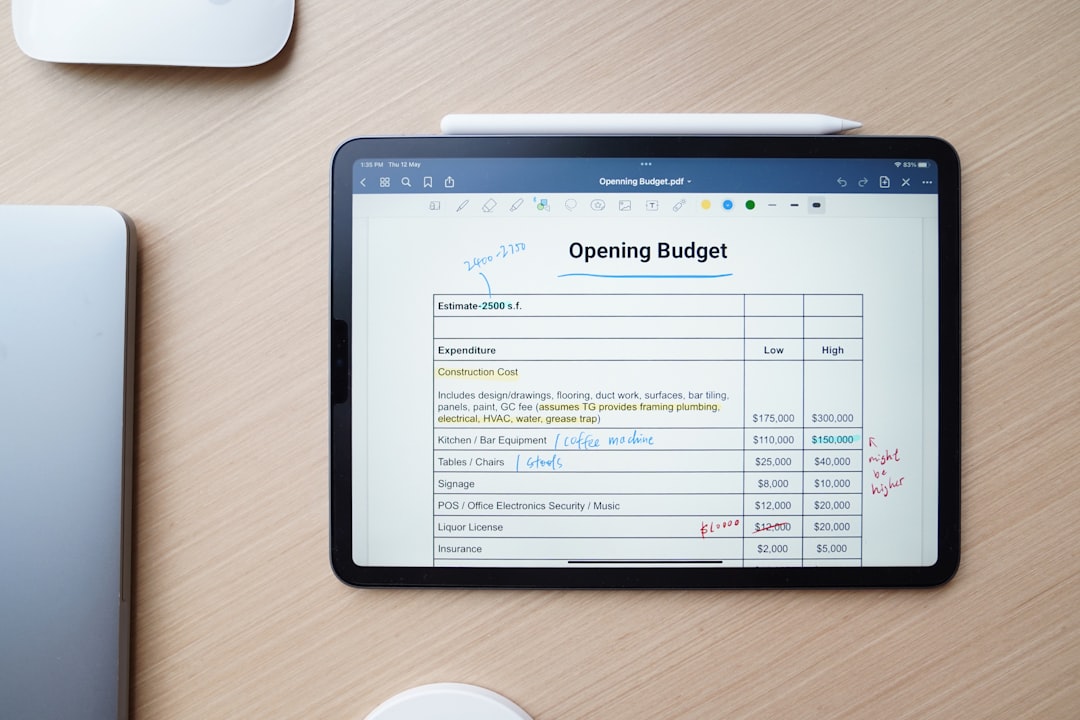
Before choosing, estimate the total annual cost. Include your domain, hosting or subscription, ecommerce fees, add-ons, email marketing, and any help you might need. Also consider the cost of your time. Spending forty extra hours on a cheaper platform may not be a bargain.
So, Which Platform Offers the Best Value?
For most small businesses, Wix offers the best overall value. It provides a broad toolkit, approachable editing, strong templates, and enough flexibility for many industries. It is the platform most likely to satisfy the widest range of users without demanding technical expertise.
However, the best choice changes by goal. Choose Squarespace if visual polish and simplicity are your priorities. Choose Shopify if selling products is your business model, not just a side feature. Choose WordPress if you want maximum control and are willing to manage more moving parts. Choose Webflow if you need a highly custom design and have the patience to learn a more advanced tool.
The smartest approach is to start with your website’s purpose, not the platform’s marketing page. A great-value builder should help you launch quickly, look credible, attract visitors, and grow without forcing a painful rebuild six months later. In that sense, the best website builder is not just the one with the lowest price; it is the one that helps your site do its job with the least friction.