Modern households rely on stable, high-speed internet connections for work, entertainment, education, and communication. As the number of connected devices continues to grow, managing home networks has become increasingly complex. Home network management platforms provide centralized control, monitoring, and optimization tools that help ensure consistent connectivity and enhanced security. By simplifying network oversight, these platforms empower users to maintain performance while minimizing downtime and disruptions.
TLDR: Home network management platforms help households monitor, control, and optimize internet connectivity across all connected devices. They offer features such as device prioritization, parental controls, security monitoring, and performance analytics. By centralizing network management in a single interface, these platforms reduce connectivity issues and improve security. As homes become more connected, adopting such systems ensures smoother and safer digital experiences.
Understanding Home Network Management Platforms
A home network management platform is a software-based or cloud-enabled solution that allows users to oversee their network through a user-friendly dashboard or mobile app. Rather than relying solely on a router’s basic configuration settings, these systems offer enhanced controls, real-time monitoring, and automated optimization features.
At their core, these platforms:
- Monitor network traffic and bandwidth usage
- Identify connected devices
- Provide security alerts
- Allow device-level controls
- Optimize WiFi performance
The goal is to make complex networking processes simple and accessible, even to users without technical expertise.
Why Better Connectivity Matters
Reliable connectivity is no longer a luxury; it is a necessity. From remote work and online schooling to streaming high-definition media and managing smart home systems, households depend on uninterrupted internet access.
Poor network performance can result in:
- Slow upload and download speeds
- Frequent video conferencing interruptions
- Lag during online gaming
- Buffering on streaming platforms
- Security vulnerabilities
A home network management platform addresses these issues proactively, helping users maintain consistent performance across devices.
Key Features of Home Network Management Platforms
These platforms are designed to simplify oversight and enhance control. While features vary between solutions, most offer similar core capabilities.
1. Real-Time Device Monitoring
Users can see all connected devices in real time, including smartphones, laptops, smart TVs, and IoT gadgets. This visibility helps identify unauthorized devices and manage bandwidth usage effectively.

By analyzing traffic patterns, users can determine which devices consume the most data and take corrective action if needed.
2. Bandwidth Allocation and QoS
Quality of Service (QoS) settings allow prioritization of certain devices or applications. For example, video conferencing tools can receive higher bandwidth during working hours, ensuring smoother performance.
This feature is particularly beneficial in households where:
- Multiple users stream content simultaneously
- Online gaming sessions require low latency
- Work meetings depend on stable connections
3. Parental Controls
As more children use connected devices, digital safety becomes crucial. Many home network management platforms include customizable parental controls that allow guardians to:
- Set screen time limits
- Block inappropriate websites
- Schedule device access periods
- Pause internet access instantly
These functions promote healthy digital habits while maintaining oversight.
4. Enhanced Security Monitoring
Cybersecurity is one of the primary concerns for connected households. Advanced platforms include threat detection mechanisms that:
- Identify suspicious network activity
- Block malicious websites
- Prevent unauthorized device access
- Send instant alerts about potential risks
Some systems integrate firewall functionalities and automatic firmware updates to reduce vulnerabilities.
5. Mesh Network Integration
Modern platforms often pair with mesh WiFi systems to ensure full-home coverage. Instead of relying on a single router, mesh nodes distribute signals evenly across rooms, eliminating dead zones.
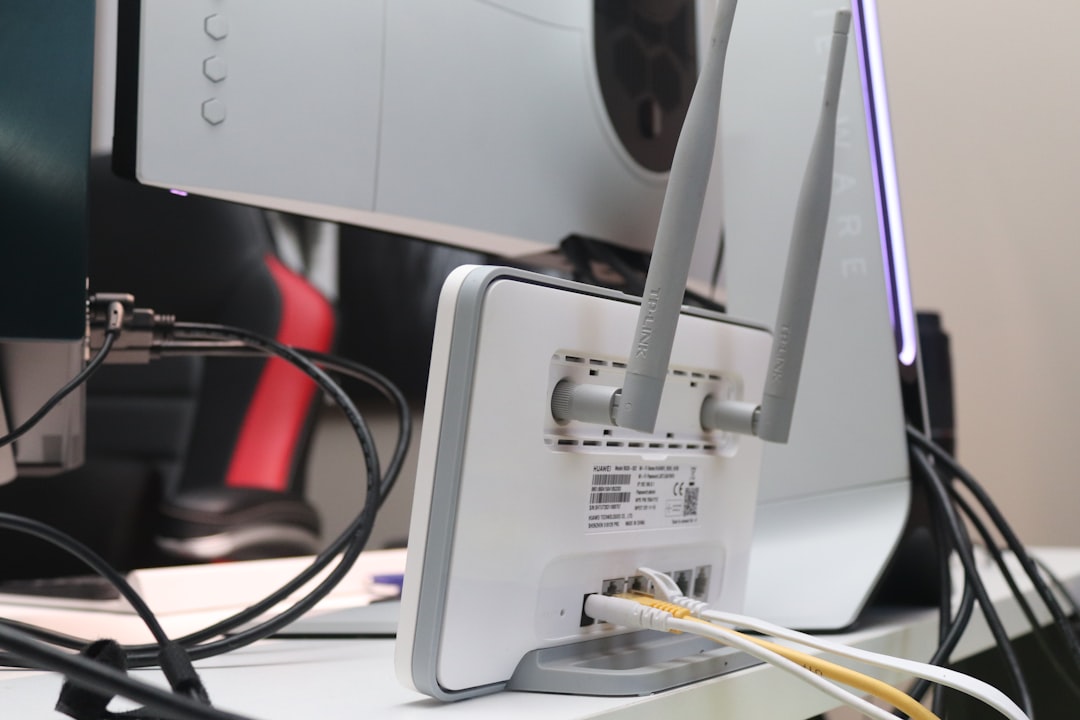
Management dashboards enable users to monitor node performance and reposition units for optimal coverage.
Benefits of Centralized Network Control
One of the most significant advantages of a home network management platform is centralization. Rather than managing devices individually or adjusting settings manually on the router, users can handle everything from a single interface.
Simplified Troubleshooting
When connectivity issues arise, diagnostics tools help pinpoint the cause. Users can quickly determine whether the problem lies with:
- The internet service provider
- A specific device
- Network congestion
- Weak wireless signal strength
This reduces guesswork and minimizes downtime.
Improved Network Efficiency
Automated optimization features adjust WiFi channels and signal strengths based on environmental factors and usage patterns. This dynamic approach ensures better performance without requiring constant manual intervention.
Energy and Cost Efficiency
Some platforms help manage power consumption by identifying unused devices and allowing scheduled shutdowns. Additionally, users can avoid unnecessary hardware upgrades by optimizing existing equipment.
The Role of Artificial Intelligence in Network Management
Artificial intelligence is becoming an integral component of home network management. AI-driven systems analyze traffic patterns, predict connectivity issues, and suggest corrective measures before disruptions occur.

For instance, predictive analytics can detect when bandwidth demand will peak and automatically allocate resources accordingly. Over time, machine learning algorithms adapt to household behavior, improving efficiency and reliability.
Choosing the Right Platform
Selecting an appropriate home network management solution depends on specific household needs. Important considerations include:
- Ease of use: An intuitive interface makes daily management simple.
- Compatibility: The platform should support existing routers and devices.
- Security features: Look for built-in threat detection and encryption support.
- Scalability: Ensure the system can grow with additional devices.
- Mobile access: Remote management via smartphone apps enhances convenience.
Carefully evaluating these factors ensures long-term effectiveness.
Common Challenges and How Platforms Address Them
Despite technological advancements, home networks frequently encounter issues. These include interference from neighboring networks, outdated firmware, and device overload.
Home network management platforms address these by:
- Automatically updating firmware
- Selecting optimal wireless channels
- Isolating problematic devices
- Providing performance analytics reports
By proactively managing these variables, platforms reduce service interruptions and enhance user experiences.
The Future of Home Connectivity
As smart homes continue to expand, the number of connected devices per household is expected to grow significantly. Smart thermostats, security cameras, voice assistants, wearable devices, and connected appliances all demand stable connections.
Future network management platforms will likely incorporate:
- More advanced AI capabilities
- Integration with smart home ecosystems
- Enhanced cybersecurity protocols
- Greater automation and self-healing networks
These innovations will further reduce manual intervention and increase reliability.
Conclusion
Home network management platforms have become essential tools in maintaining reliable and secure connectivity. By offering centralized control, real-time monitoring, and intelligent optimization, they simplify complex networking tasks for everyday users. As digital demands grow, relying solely on basic router settings is no longer sufficient. Embracing advanced management platforms ensures better performance, stronger security, and a seamless online experience for modern households.
Frequently Asked Questions (FAQ)
1. What is a home network management platform?
A home network management platform is a software solution that allows users to monitor, control, and optimize their home internet network through a centralized interface or mobile application.
2. Do I need technical expertise to use one?
No. Most platforms are designed with user-friendly dashboards that make network oversight accessible to non-technical users.
3. Can these platforms improve WiFi speed?
While they cannot increase the speed provided by an internet service provider, they can optimize bandwidth allocation and reduce interference, which improves overall performance.
4. Are home network management platforms secure?
Yes. Many include built-in security features such as threat detection, device authentication, and automatic firmware updates to protect against cyber risks.
5. How do parental controls work?
Parental controls allow guardians to set restrictions on internet usage, block specific websites, schedule access times, and monitor online activity through the platform’s dashboard.
6. Is a mesh WiFi system necessary?
Not always. However, larger homes or spaces with connectivity dead zones often benefit from mesh systems integrated with network management platforms for complete coverage.
7. Can I manage my network remotely?
Many platforms offer mobile apps that allow users to monitor and adjust settings remotely, providing flexibility and convenience.