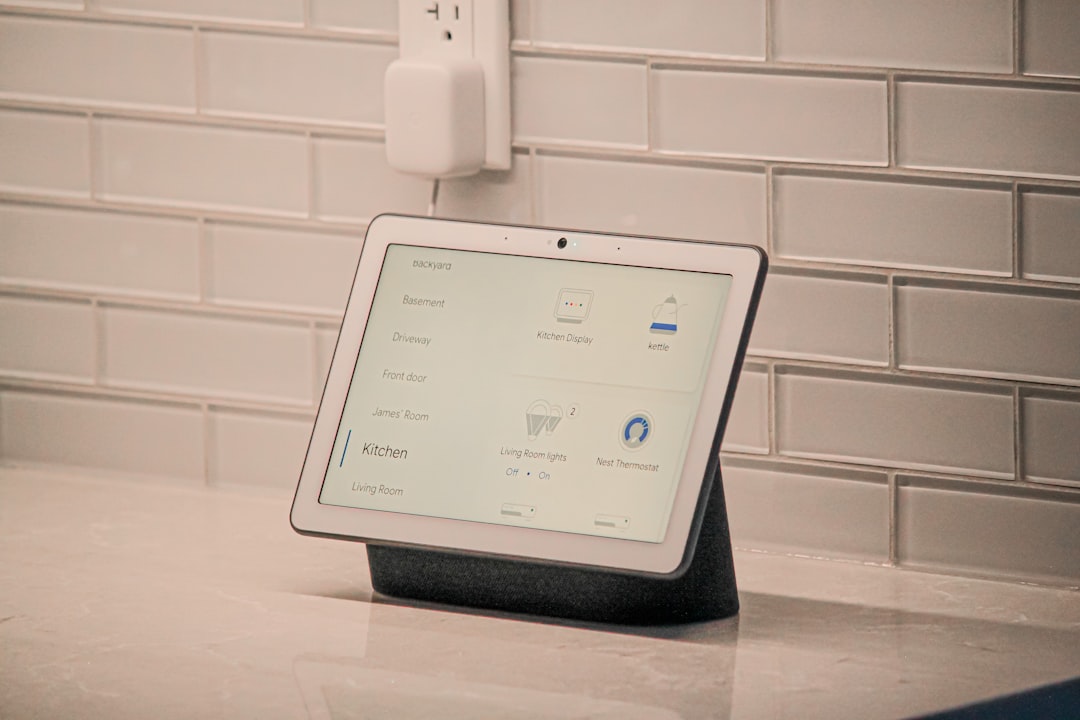
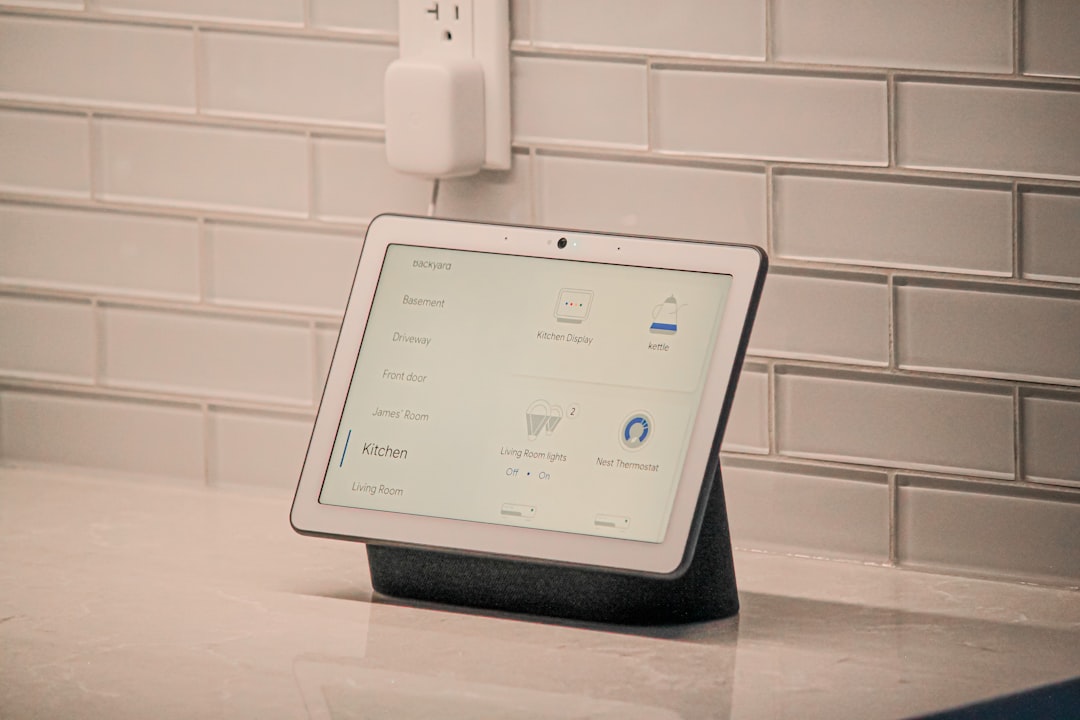
Smart homes are no longer a futuristic concept reserved for tech enthusiasts. With the rise of connected devices, homeowners are increasingly turning to smart appliance control tools to automate daily tasks, improve energy efficiency, and enhance overall convenience. From adjusting thermostats remotely to managing entire kitchen systems through a single app, these tools are redefining modern living spaces.
TLDR: Smart appliance control tools allow homeowners to remotely manage and automate devices such as thermostats, lights, refrigerators, and security systems. These tools improve convenience, energy efficiency, and home security through centralized apps, voice assistants, and AI-driven automation. By integrating devices into unified ecosystems, connected homes become more responsive and personalized. As technology evolves, these systems are becoming more intuitive, secure, and accessible to a wider audience.
Understanding Smart Appliance Control Tools
Smart appliance control tools refer to the software platforms, mobile applications, and voice-activated systems that allow users to monitor and manage connected devices within their homes. These tools serve as the central hub for communication between appliances and users.
They commonly operate through:
- Mobile applications that connect via Wi-Fi or Bluetooth
- Voice assistants such as smart speakers
- Web dashboards accessible from computers
- Automation hubs that link multiple devices together
The core objective is simple: enable seamless control and automation of household systems from virtually anywhere.
The Core Technologies Behind Connected Homes
Modern smart appliance control systems rely on several interrelated technologies to function effectively.
Internet of Things (IoT)
IoT forms the backbone of connected homes. Each smart appliance includes sensors and connectivity modules that allow it to transmit and receive data. This continuous exchange enables users to monitor performance, receive alerts, and trigger commands in real time.
Cloud Computing
Cloud platforms store user preferences, automation settings, and device data. This ensures that settings remain synchronized across devices and applications.
Artificial Intelligence and Machine Learning
AI-powered control tools can learn user habits over time. For example, a smart thermostat may automatically adjust temperatures based on usage patterns, while smart lighting systems can adapt brightness depending on time of day and occupancy.
Key Categories of Smart Appliance Control Tools
Connected homes involve various categories of appliances and systems. The most common include:
1. Smart Kitchen Appliances
Refrigerators, ovens, dishwashers, and coffee machines now come equipped with connectivity features. Smart control tools allow homeowners to:
- Preheat ovens remotely
- Receive maintenance alerts
- Monitor refrigerator contents via internal cameras
- Download new cooking programs
These capabilities streamline meal preparation and reduce food waste.
2. Climate Control Systems
Smart thermostats and air conditioning systems offer precision control and scheduling. Users can program temperature adjustments based on time of day, occupancy, or even weather forecasts.
Benefits include:
- Lower energy consumption
- Automated seasonal adjustments
- Remote activation before arriving home
3. Smart Lighting Systems
Lighting control tools allow homeowners to customize brightness, color, and scheduling. Advanced systems can integrate with motion sensors and daylight detectors to optimize energy usage.
4. Security and Surveillance Devices
Connected locks, cameras, and alarm systems provide real-time monitoring and notifications. Control tools enable users to:
- Lock or unlock doors remotely
- View live camera feeds
- Receive motion alerts
- Integrate alarms with emergency services
5. Entertainment Systems
Smart TVs, speakers, and streaming devices can be managed through unified control platforms, enabling synchronized control of audio and video across rooms.
Centralized Hubs vs. App-Based Systems
There are two main approaches to managing smart appliances: centralized hubs and individual app ecosystems.
Centralized hubs integrate multiple brands and device types into one interface. This creates a unified experience and allows advanced automation scenarios such as:
- Turning off all lights and locking doors when activating “Away Mode”
- Adjusting thermostat and lighting simultaneously upon arrival
App-based systems, on the other hand, are provided by individual manufacturers. While often optimized for specific devices, they may require users to switch between multiple apps.
The trend is moving toward interoperability standards that allow different manufacturers’ devices to communicate more effectively within shared ecosystems.
Voice and Gesture Control Integration
Voice assistants have dramatically transformed the usability of smart appliance control tools. Instead of navigating menus, users can issue simple voice commands such as:
- “Set the thermostat to 72 degrees.”
- “Turn off kitchen lights.”
- “Start the dishwasher.”
Emerging technologies also incorporate gesture control and presence detection, allowing devices to respond automatically when someone enters or leaves a room.
Automation and Smart Routines
One of the most powerful aspects of smart appliance control tools is the ability to create routines. These automated sequences trigger multiple devices based on conditions or schedules.
Examples of common routines include:
- Morning Routine: Lights gradually brighten, coffee maker starts, thermostat adjusts.
- Workday Exit Routine: All lights turn off, doors lock, thermostat shifts to eco mode.
- Night Mode: Security system activates, blinds close, outdoor cameras begin recording.
Advanced systems incorporate geolocation triggers, meaning devices respond based on the homeowner’s physical proximity to the property.
Energy Efficiency and Sustainability
Energy management is a major driver behind the popularity of smart control tools. Real-time monitoring provides visibility into energy consumption patterns.
Users can:
- Track appliance-specific energy usage
- Receive alerts during peak tariff periods
- Automatically shift energy-intensive tasks to off-peak hours
Some systems integrate with renewable energy installations, such as solar panels, optimizing appliance operation when sustainable energy supply is highest.
Security and Privacy Considerations
While smart appliance control tools offer convenience, they also introduce cybersecurity concerns. Because devices are connected to networks, they may become targets for unauthorized access if not properly secured.
Recommended best practices include:
- Using strong, unique passwords
- Enabling two-factor authentication
- Keeping firmware and software updated
- Segmenting smart devices onto separate networks
Manufacturers are also developing encrypted communication protocols and advanced authentication methods to protect user data.

Future Trends in Smart Appliance Control
The smart home industry continues to evolve rapidly. Several emerging trends are shaping the next generation of control tools:
Predictive Automation
Rather than relying on programmed schedules, systems will increasingly anticipate needs through behavioral analysis and contextual awareness.
Improved Interoperability
Cross-brand compatibility standards are reducing fragmentation and encouraging device ecosystems that work seamlessly together.
Edge Computing
Processing data locally instead of solely in the cloud enhances response times and improves privacy controls.
Enhanced User Interfaces
Future control dashboards may incorporate augmented reality overlays and more intuitive graphical interfaces, simplifying management for users of all technical backgrounds.
Benefits for Different Types of Homeowners
Smart appliance control tools provide value across various living scenarios:
- Families benefit from safety features and automated routines.
- Professionals enjoy remote monitoring while traveling.
- Elderly residents gain enhanced accessibility through voice control.
- Eco-conscious homeowners leverage detailed energy analytics.
As prices continue to decrease and installation becomes more user-friendly, adoption rates are expected to accelerate significantly.
Conclusion
Smart appliance control tools are at the core of modern connected homes. By integrating IoT technology, AI-driven automation, and centralized control platforms, these systems make everyday life more manageable and efficient. From enhancing security to reducing energy consumption, their impact is both practical and transformative.
As interoperability improves and predictive capabilities expand, smart homes will become increasingly adaptive to homeowner needs. What was once considered a luxury is rapidly becoming a standard expectation in residential living.
Frequently Asked Questions (FAQ)
1. Are smart appliance control tools difficult to install?
Most modern systems are designed for easy installation, often requiring only a Wi-Fi connection and a mobile app. However, certain devices like smart thermostats or integrated security systems may require professional installation.
2. Can smart appliances work without internet access?
Some devices retain limited local functionality without internet access, but remote control, cloud automation, and real-time alerts typically require an active internet connection.
3. Are smart home systems secure?
When properly configured with strong passwords, up-to-date firmware, and encrypted connections, smart home systems are generally secure. Users should follow recommended cybersecurity practices to minimize risks.
4. Do all smart appliances work together?
Not always. Compatibility depends on communication standards and ecosystem support. However, interoperability is improving with the adoption of unified connectivity protocols.
5. Do smart appliance control tools save money?
Yes, many users experience cost savings through optimized energy usage, reduced waste, predictive maintenance alerts, and improved efficiency.
6. What is the lifespan of smart home devices?
Lifespans vary by product type and manufacturer. Regular software updates and maintenance can help extend device longevity, while hardware components typically follow standard appliance life cycles.