
Augmented Reality, or AR, is no longer science fiction. It lives inside our phones and tablets. It blends digital content with the real world. And it is changing how businesses connect with people. From shopping and gaming to healthcare and education, AR apps are making experiences more interactive, useful, and fun.
TLDR: Augmented Reality apps boost engagement by blending digital content with the real world. They help businesses create interactive, memorable experiences across retail, healthcare, education, real estate, and more. AR increases customer confidence, saves time, and makes learning and shopping more exciting. As smartphones and wearables improve, AR will become a normal part of everyday life.
Let’s explore how AR apps work. Then we’ll look at how different industries use them to increase user engagement.
What Makes AR So Engaging?
AR works by placing digital objects into your real-world view. You point your phone camera at something. The app adds 3D models, text, animations, or sounds on top of it. The result feels interactive and personal.
Here’s why people love it:
- It is interactive. Users don’t just watch. They participate.
- It feels personal. The experience happens in their own space.
- It is memorable. Seeing a sofa in your living room is stronger than seeing it in a catalog.
- It reduces doubt. Visual proof builds confidence.
Now let’s break it down by industry.
1. Retail and E-Commerce
Retail is one of the biggest winners in AR adoption. Online shopping is convenient. But it lacks a “try before you buy” experience. AR solves that problem.

Virtual Try-Ons
Customers can try on glasses, makeup, hats, or even sneakers using their phone camera. The app overlays the product onto their face or body. It moves with them. It looks realistic.
This leads to:
- Higher purchase confidence
- Fewer product returns
- Longer time spent in the app
Furniture and Home Decor Previews
Users can place a 3D couch in their living room. They can walk around it. They can check the color against their walls. This removes guesswork.
Engagement increases because users play with options. They change colors. They resize items. They test different layouts. It feels fun, not stressful.
In-Store AR Experiences
Physical stores also benefit. Customers scan products to see reviews, videos, or styling suggestions. This blends online depth with offline presence.
2. Healthcare and Medical Training
Healthcare may not sound like a playful industry. But AR is transforming it in powerful ways.
Patient Education
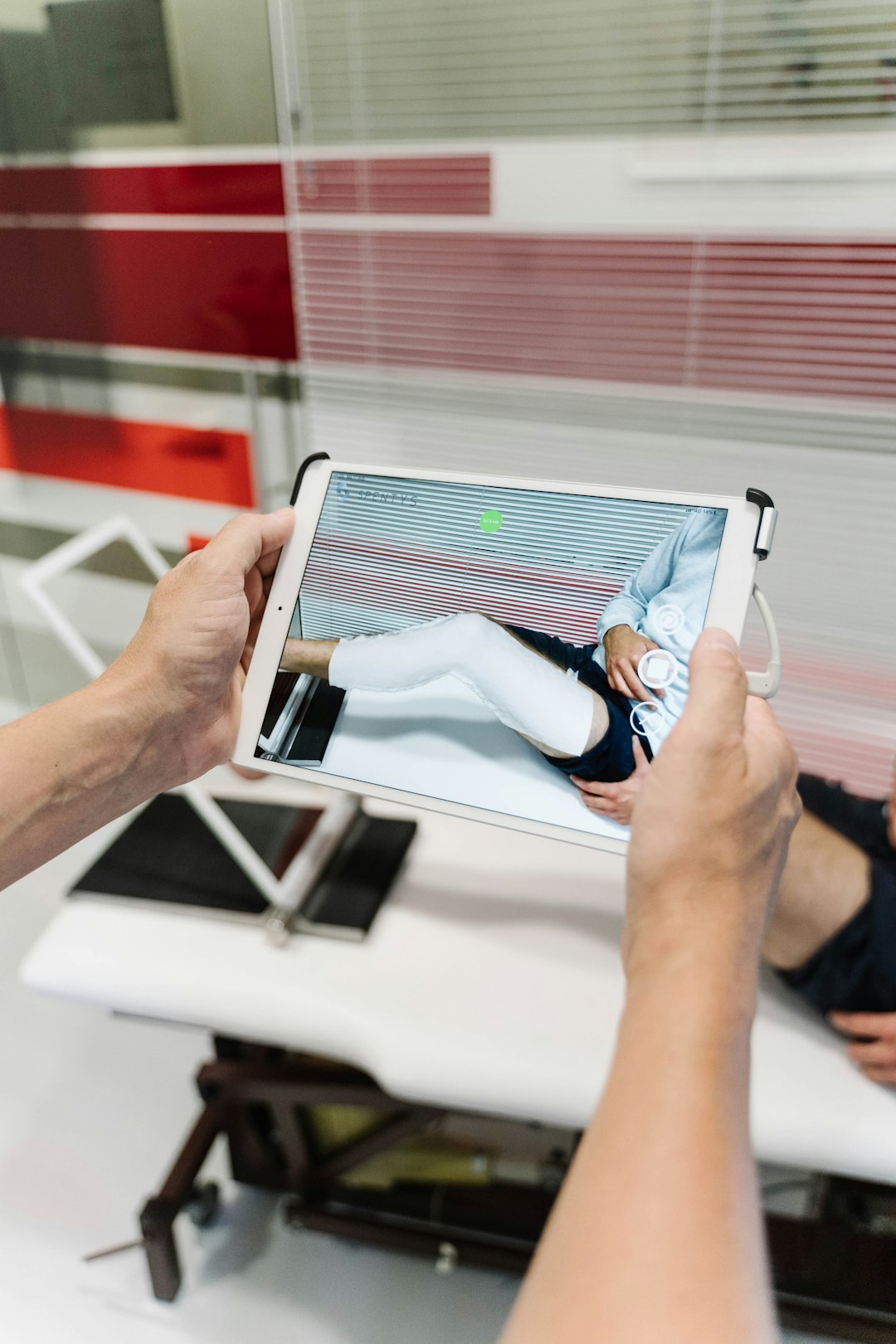
Doctors can show patients 3D models of organs. They can explain a procedure visually. Instead of hearing complex medical terms, patients see what will happen.
This improves:
- Understanding
- Trust
- Treatment compliance
Surgical Assistance
Surgeons can use AR glasses to view real-time data during procedures. They can see internal structures overlaid onto the patient’s body. This increases precision.
Medical Training
Students can explore 3D anatomy models. They can simulate procedures without risk. Interactive learning leads to better memory retention.
Engagement in healthcare is not about entertainment. It is about clarity and confidence.
3. Education and E-Learning
Textbooks are important. But static pages can only do so much. AR turns learning into an experience.
Interactive Lessons
Students scan a page. A 3D volcano erupts on their desk. A solar system spins in the air. Historical figures appear and speak.
Learning becomes active instead of passive.
- Students explore at their own pace.
- They interact with objects.
- They remember more.
Remote Learning Support
AR can guide students step-by-step through science experiments or mechanical tasks. It overlays instructions directly onto tools or equipment.
This reduces confusion. It builds confidence.
When students enjoy learning, engagement naturally rises.
4. Real Estate and Architecture
Buying property is a major decision. Floor plans and photos help. But AR takes it further.

Virtual Property Tours
Buyers can walk through properties using AR. They can view furnished and unfurnished versions. They can change wall colors or materials.
This saves time for both agents and buyers.
Visualizing Unbuilt Projects
Architects can place 3D building models onto empty land. Clients see how the finished project will look in real space. They understand scale and design better.
Engagement improves because people see, not just imagine.
5. Tourism and Entertainment
AR makes travel more interactive.
Interactive City Guides
Tourists point their phones at landmarks. The app shows historical facts, 3D reconstructions, or animations from the past.
History feels alive.
Museums and Exhibits
Visitors scan exhibits. Dinosaurs move. Ancient ruins rebuild themselves digitally. Art pieces tell their own stories.
This keeps visitors engaged longer. It also attracts younger audiences.
Gaming
Location-based AR games encourage players to explore real-world locations. Movement and social sharing increase involvement.
6. Manufacturing and Field Service
AR is also powerful behind the scenes.
Step-by-Step Guidance
Technicians use AR glasses or tablets. They see instructions overlaid on machines. They know which screw to turn and which part to replace.
This reduces:
- Errors
- Training time
- Operational costs
Remote Assistance
Experts can see what a field worker sees in real time. They can draw instructions on the screen. Problems get solved faster.
Engagement in this case means productivity and focus.
Popular AR Apps Across Industries
Here is a simple comparison of well-known AR applications and their primary use cases:
| App | Industry | Main Feature | Engagement Benefit |
|---|---|---|---|
| IKEA Place | Retail | Furniture placement in real rooms | Higher buyer confidence |
| Sephora Virtual Artist | Beauty Retail | Virtual makeup try on | Fun and personalized shopping |
| Google Live View | Navigation | AR walking directions | Easier and clearer travel |
| Complete Anatomy | Healthcare Education | Interactive 3D anatomy | Better learning retention |
| Assemblr EDU | Education | AR classroom content | More interactive lessons |
Why AR Increases Engagement So Effectively
Let’s simplify it.
AR works because it combines:
- Visual stimulation
- Physical interaction
- Emotional connection
When users move their device, tap objects, or walk around 3D models, their brain becomes more involved. This creates a stronger memory.
Engagement is not just about attention. It is about participation.
Challenges to Consider
AR is powerful. But it has limits.
- Development can be expensive.
- Older devices may struggle.
- Too much complexity can confuse users.
The best AR apps are simple. They solve one clear problem. They enhance reality instead of overwhelming it.
The Future of AR Engagement
Technology keeps improving. Smartphones are more powerful. AR glasses are becoming lighter and smarter.
Soon, AR may become part of everyday tasks:
- Trying clothes without changing outfits.
- Learning mechanical repairs at home.
- Seeing restaurant reviews floating above storefronts.
Businesses that adopt AR early can stand out. They can create unique experiences that people talk about and share.
The key goal is simple: Make interactions meaningful. Make them interactive. Make them human.
Final Thoughts
Augmented Reality is not just a trend. It is a tool for deeper engagement. It blends digital elements into real life in a natural way. That is powerful.
Retailers use it to increase sales. Educators use it to spark curiosity. Healthcare providers use it to build trust. Real estate agents use it to speed up decisions.
Across industries, one thing stays the same.
When users can see, touch, and interact with digital content in their own space, they connect more strongly.
And that connection is what true engagement is all about.