Voice assistants are no longer just for asking about the weather. They are powerful productivity machines. With a few smart commands, they can schedule meetings, manage tasks, send messages, and even automate your home office. If you use them right, they feel like a digital teammate who never sleeps.
TLDR: Voice assistant apps can save you hours every week. They handle scheduling, reminders, emails, and smart home controls with simple voice commands. The best apps combine speed, smart integrations, and automation. Below are six powerful options that can seriously upgrade your productivity.
Let’s explore six voice assistant apps that can help you get more done with less effort.
1. Google Assistant
Google Assistant is fast. It’s smart. And it works almost everywhere.
If you live in Google’s world—Gmail, Google Calendar, Google Docs—this one is a productivity powerhouse.
What makes it powerful?
- Natural voice recognition
- Deep integration with Google Workspace
- Smart reminders based on location
- Real-time language translation
You can say:
- “Schedule a meeting with Sarah tomorrow at 2 PM.”
- “Remind me to call the client when I get to the office.”
- “Summarize my day.”
It even understands follow-up questions. No need to repeat context.
For multitaskers, that’s gold.
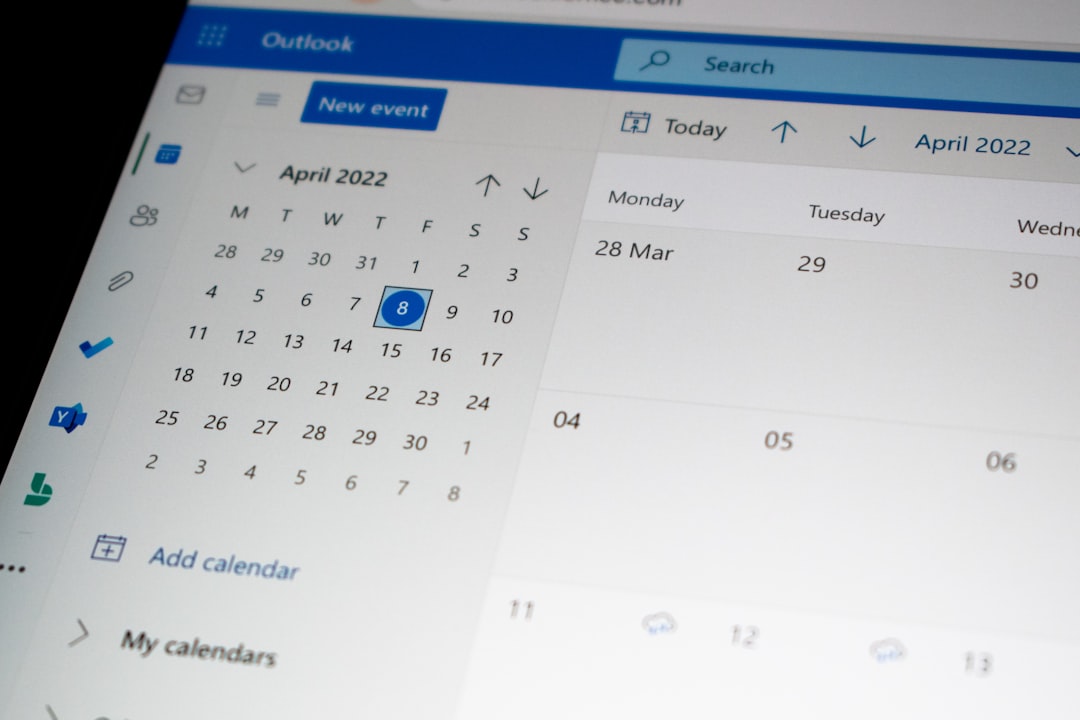
Google Assistant also works across devices. Your phone. Smart speakers. Smart displays. Even your car. That means your workflow continues wherever you are.
2. Amazon Alexa
Alexa is not just for playing music or turning off the lights. It can be a serious productivity tool.
Especially if you use smart devices in your home office.
Key productivity features:
- Custom routines
- To-do and shopping lists
- Calendar syncing
- Integration with apps like Trello and Todoist
You can create a morning “Work Mode” routine. With one command, Alexa can:
- Turn on the lights
- Read your calendar
- Start your focus playlist
- Give a traffic update
All in less than 30 seconds.
Alexa Skills add even more power. Think of skills as mini apps. You can connect project management tools, time trackers, and even meditation guides for quick breaks.
Small automations. Big time savings.
3. Apple Siri
Siri shines inside the Apple ecosystem. If you use a Mac, iPhone, iPad, or Apple Watch, Siri ties them together smoothly.
It feels effortless.
What Siri does best:
- Hands-free texting and calling
- Quick reminders
- Calendar management
- Shortcuts automation
The real magic? Shortcuts.
You can build a single voice command that triggers multiple actions.
For example:
- Turn on Do Not Disturb
- Open your task manager
- Start a 45-minute timer
- Play focus music
All with one sentence.
That means fewer clicks. Less friction. More deep work.
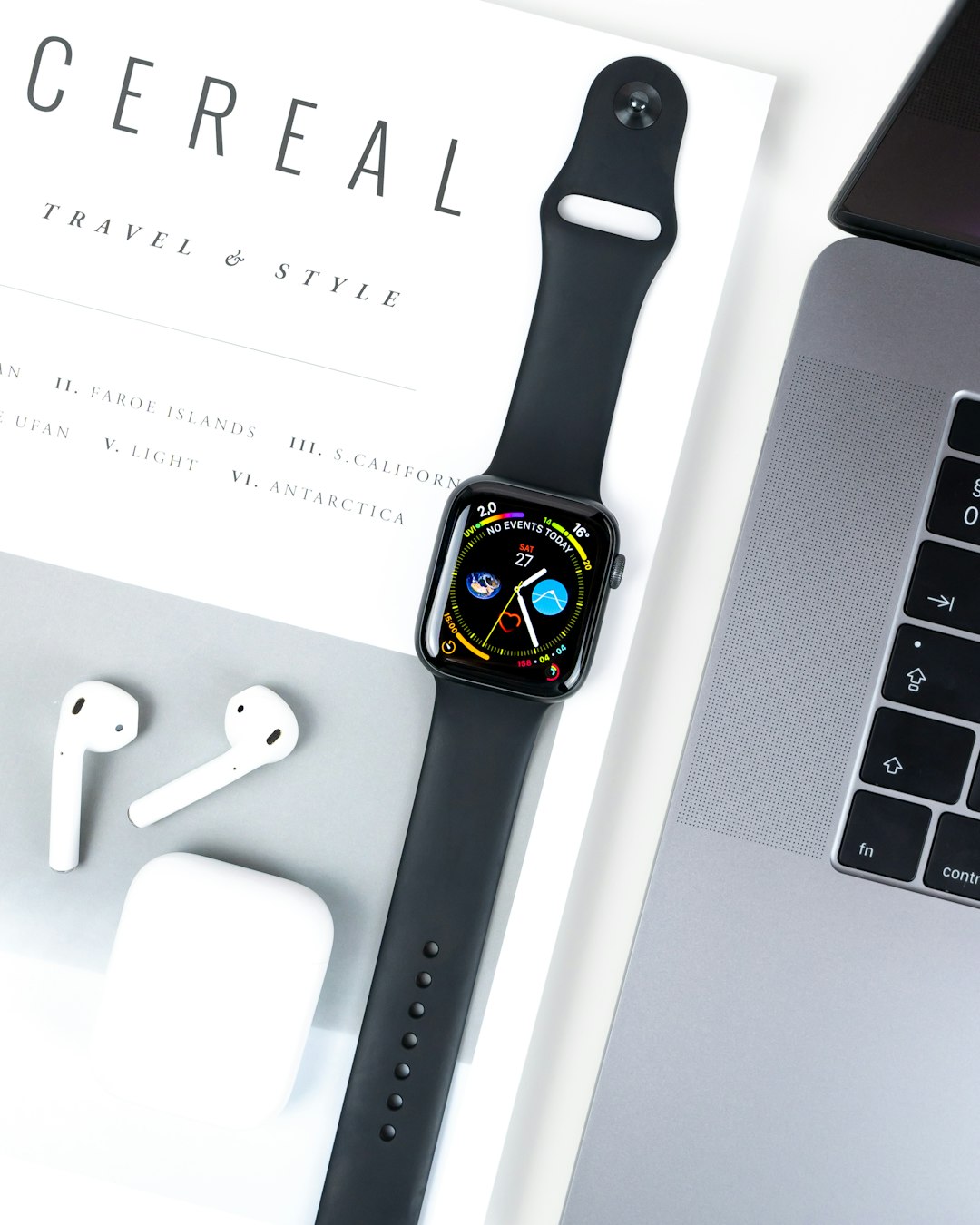
Siri is also strong on privacy. Many requests are processed on-device. That matters for professionals handling sensitive information.
4. Microsoft Cortana (Integrated with Microsoft 365)
Cortana has evolved. It is no longer a general home assistant. Now it focuses on workplace productivity.
If you work in Microsoft 365, this assistant becomes very useful.
Best features:
- Email voice commands in Outlook
- Meeting scheduling inside Teams
- Daily agenda briefings
- Task tracking with Microsoft To Do
You can say:
- “What’s on my schedule today?”
- “Join my next meeting.”
- “Add this to my task list.”
It feels like having a quiet office assistant who keeps you organized.
Cortana is especially helpful for managers. It can summarize missed meetings. It can read emails aloud. It reduces screen fatigue.
Less clicking. More thinking.
5. Samsung Bixby
Bixby often gets overlooked. But it offers deep device control that power users love.
It shines when it comes to automation.
Why Bixby stands out:
- Bixby Routines automation
- Context-aware triggers
- Strong device-level control
- App-specific commands
You can create rules like:
- When I arrive at work, switch phone to silent.
- Open Slack.
- Turn on Wi-Fi.
- Send an “I’m at the office” message.
Fully automatic.
Bixby also allows deeper control inside apps compared to many competitors. You can tell it to scroll, switch modes, or adjust settings directly.
For people who love customization, this is powerful.
6. Dragon Anywhere
This one is different.
Dragon Anywhere focuses on voice dictation. And it’s incredibly accurate.
If your work involves writing, this tool can change your workflow.
What makes it special:
- Professional-level speech recognition
- Industry-specific vocabulary
- Cloud document syncing
- Advanced editing by voice
You can dictate emails. Reports. Articles. Notes.
And it learns how you speak.
Imagine writing a 1,000-word draft while walking. Or editing text without touching your keyboard.

For lawyers, doctors, consultants, and writers, this is a serious time saver.
Quick Comparison Chart
| App | Best For | Key Strength | Works With |
|---|---|---|---|
| Google Assistant | General productivity | Smart context awareness | Android, Google Workspace |
| Amazon Alexa | Office automation | Custom routines | Alexa devices, smart home tech |
| Apple Siri | Apple users | Shortcuts automation | iPhone, Mac, Apple Watch |
| Microsoft Cortana | Corporate teams | Microsoft 365 integration | Windows, Teams, Outlook |
| Samsung Bixby | Device power users | Context-based routines | Samsung devices |
| Dragon Anywhere | Writers and professionals | Advanced dictation | iOS, Android |
How to Choose the Right One
Start simple.
Ask yourself:
- What devices do I use daily?
- What tasks slow me down?
- Do I need automation or dictation?
If you are deep in Google’s ecosystem, Google Assistant makes sense.
If your office runs on Microsoft, Cortana may fit better.
If you write for hours every day, Dragon Anywhere could be your secret weapon.
The best assistant is the one that matches your habits.
Smart Commands That Boost Productivity Fast
No matter which app you choose, focus on high-impact commands.
Here are simple ones to start using today:
- “Start a focus timer for 30 minutes.”
- “Add this to my task list.”
- “Schedule a meeting.”
- “Remind me at 4 PM to follow up.”
- “Summarize my day.”
These small actions remove friction.
And productivity is often about removing friction.
Final Thoughts
Voice assistant apps are no longer gimmicks. They are real productivity tools.
They reduce typing. They automate routines. They manage your schedule. They even help you think more clearly.
The secret is consistency.
Use them daily. Build simple voice habits. Automate small actions first.
Over time, those small improvements stack up.
Minutes saved each day turn into hours each month.
And hours turn into opportunities.
Talk less to your screen. Talk more to your assistant. Let smart commands do the busy work—so you can focus on what truly matters.