
Startups move fast. Really fast. They ship features. They test ideas. They break things. Then they fix them. To do all this well, they need tools that show what users are doing and tools that control new features safely. That’s where product analytics and feature flag software come in. PostHog is a popular choice. But it’s not the only one.
TLDR: Startups need product analytics and feature flag tools to understand users and release features safely. PostHog is great, but there are many strong alternatives. Tools like Mixpanel, Amplitude, LaunchDarkly, Split, and Statsig offer different strengths. The best choice depends on your team size, budget, and technical needs.
Let’s explore some fun and simple alternatives to PostHog. We’ll keep it easy. No jargon overload. Promise.
Why Startups Love Tools Like PostHog
Before we dive into alternatives, let’s understand what makes tools like PostHog special.
- Product analytics – See what users click, scroll, and ignore.
- Event tracking – Measure actions like signups and purchases.
- Feature flags – Turn features on or off without deploying new code.
- A/B testing – Test two versions and see which one wins.
- Session replay – Watch real user sessions like a movie.
Startups love this combo. It helps them move fast without breaking everything.
1. Mixpanel
Best for: Deep product analytics.
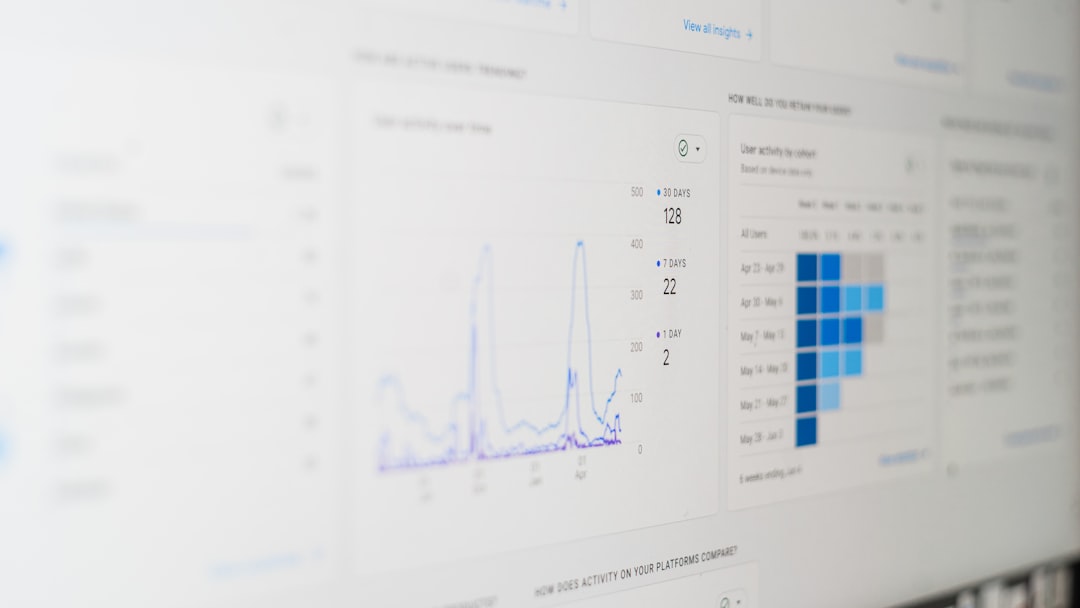
Mixpanel is one of the big names in product analytics. It focuses heavily on tracking events and understanding user behavior.
With Mixpanel, you can:
- Track user journeys.
- Create funnels.
- Measure retention.
- Segment users easily.
It’s powerful. But it can get pricey as you grow. Many startups start with the free plan, then upgrade later.
Downside? Feature flags are not its main strength. You may need another tool for that.
2. Amplitude
Best for: Advanced analytics and growth teams.
Amplitude is like Mixpanel’s close cousin. It helps you answer questions like:
- Why are users dropping off?
- Which features drive retention?
- What actions predict upgrades?
Amplitude shines in behavioral cohorts. You can group users based on what they actually do.
It also offers experimentation tools. But again, feature flags are not as flexible as specialized platforms.
3. LaunchDarkly
Best for: Enterprise-grade feature flags.
If you care deeply about feature flags, LaunchDarkly is a big player.
You can:
- Release features slowly.
- Target specific users.
- Instantly roll back features.
- Run experiments.
It’s powerful and reliable. Many larger companies use it.
The catch? It’s more focused on feature management than analytics. And it can be expensive for small startups.
4. Split
Best for: Data-driven feature delivery.
Split combines feature flags with experimentation. It’s built for teams that want serious control over releases.
Key features:
- Feature flag management.
- A/B testing.
- Performance monitoring.
- Data integrations.
It connects nicely with analytics tools. That means you can use Split for flags and something else for deep analytics.
It’s great for SaaS startups with strong engineering teams.
5. Statsig
Best for: Startups that want both analytics and feature flags.
Statsig is becoming very popular in startup circles. Why? Because it offers:
- Feature flags.
- Experiments.
- Analytics.
- Dynamic configuration.
It’s somewhat similar to PostHog in spirit. One platform. Multiple tools. Built for product teams.
Many fast-growing startups choose Statsig because it feels modern and developer-friendly.
6. Firebase (with Remote Config)
Best for: Mobile app startups.
If you’re building a mobile app, Firebase is hard to ignore.
It offers:
- Analytics.
- Crash reporting.
- Remote config (basic feature flag behavior).
- A/B testing.
It’s especially friendly if you’re already in the Google ecosystem.
The downside? It’s not as flexible or product-led as tools built specifically for SaaS platforms.
7. Heap
Best for: Automatic event tracking.
Heap automatically tracks user interactions. That means less manual setup.
This is great for:
- Small product teams.
- Non-technical founders.
- Fast MVP validation.
Heap focuses mainly on analytics. It doesn’t specialize in feature flags like PostHog does.

Comparison Chart
| Tool | Product Analytics | Feature Flags | A/B Testing | Best For |
|---|---|---|---|---|
| PostHog | Yes | Yes | Yes | All-in-one startup teams |
| Mixpanel | Advanced | Limited | Yes | Growth-focused startups |
| Amplitude | Advanced | Limited | Yes | Data-driven teams |
| LaunchDarkly | No | Advanced | Yes | Large teams, enterprises |
| Split | Partial | Advanced | Yes | Engineering-heavy startups |
| Statsig | Yes | Yes | Yes | Modern SaaS startups |
| Firebase | Yes | Basic | Yes | Mobile apps |
| Heap | Advanced | No | Yes | Lean product teams |
How to Choose the Right One
Choosing a tool can feel overwhelming. So let’s simplify it.
Ask these questions:
- Do we need deep analytics or basic insights?
- How important are feature flags to us?
- Do we have a data team?
- What’s our budget?
- Are we building web, mobile, or both?
If you want everything in one place, tools like PostHog or Statsig make sense.
If analytics is your top priority, look at Mixpanel or Amplitude.
If safe feature releases matter most, LaunchDarkly or Split might win.
Open Source vs SaaS
One thing that makes PostHog unique is that it started as open source. That means you can self-host it.
Some startups love this. Why?
- More control over data.
- Potential cost savings.
- Custom setups.
Most other tools on this list are SaaS-only. That means:
- Less setup pain.
- Faster onboarding.
- But less infrastructure control.
There’s no right or wrong. Just trade-offs.
What Early-Stage Startups Should Do
If you’re pre-seed or seed stage, keep it simple.
You probably need:
- Basic product analytics.
- Simple feature flags.
- Affordable pricing.
Don’t overcomplicate it. Pick a tool that:
- Your team understands.
- Fits your budget.
- Integrates easily.
You can always migrate later. Many startups do.
What Growth-Stage Startups Should Do
If you’re Series A or beyond, things change.
You’ll care more about:
- Experiment velocity.
- Advanced segmentation.
- Data warehouse integrations.
- Permission controls.
This is where tools like Amplitude, LaunchDarkly, Split, or Statsig shine.
At this stage, reliability matters more than saving a few dollars.
Final Thoughts
Tools like PostHog exist because startups need speed and safety at the same time.
You want to:
- Launch fast.
- Measure everything.
- Learn quickly.
- Fix mistakes instantly.
There’s no perfect tool. Only the perfect tool for your current stage.
Start simple. Focus on learning from users. Use feature flags to reduce risk. Watch your data. Ship better products.
That’s how great startups grow.