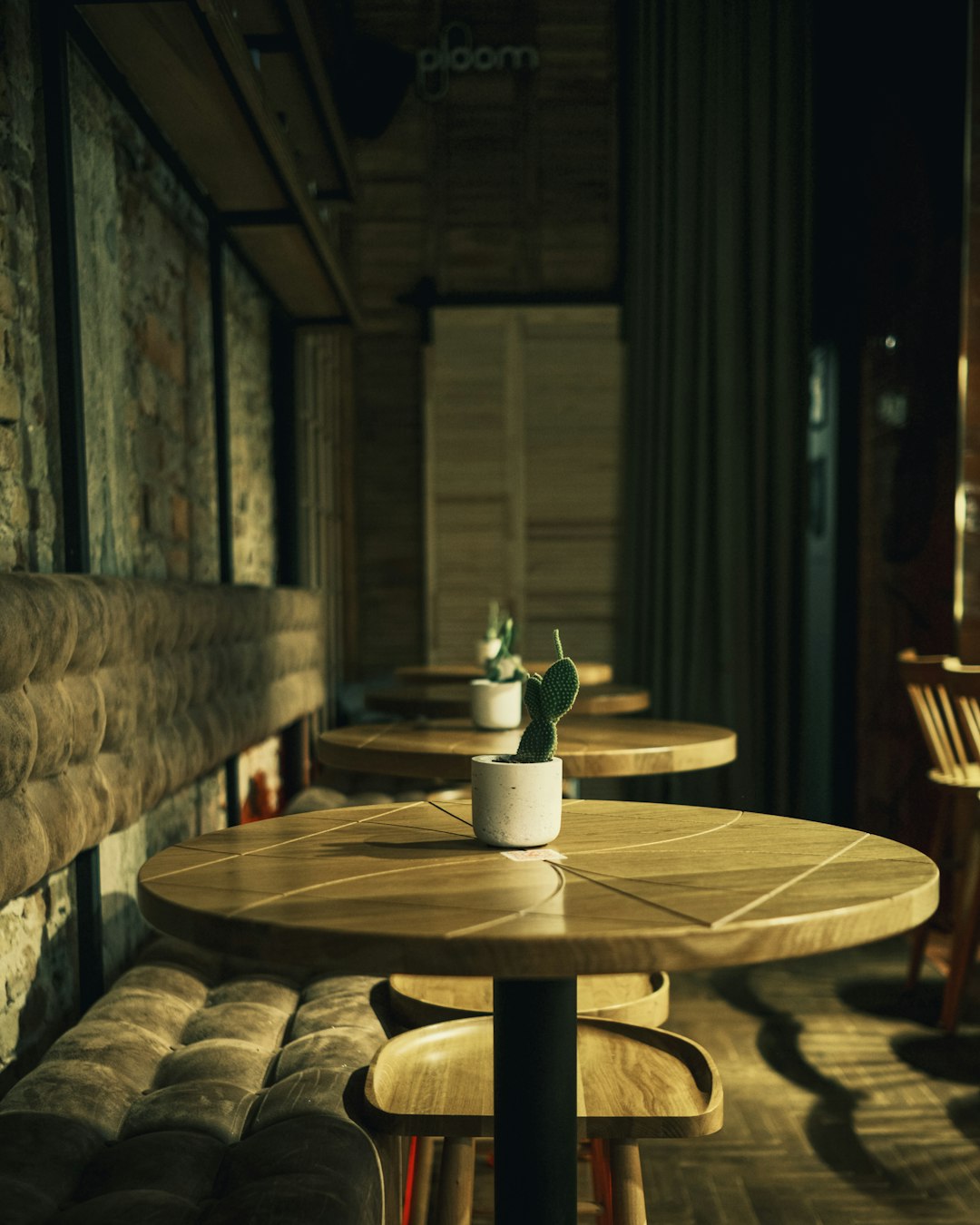
Walk into a boutique hotel, a co-working loft, a coffee shop, or even a private home built in the past decade, and chances are you will encounter a glow of custom LED neon somewhere on the wall. Sometimes it’s witty script above a bar cart. Other times it’s a bold logo in a storefront window, or a softly lit affirmation in a bedroom. What was once associated primarily with vintage diners and buzzing glass tubes has evolved into something far more versatile. Today, custom LED neon functions as a visual language—a way for brands and individuals to express identity, emotion, and atmosphere in light.
TLDR: Custom LED neon has moved beyond signage to become a powerful design language in modern spaces. Its flexibility, energy efficiency, and ability to convey personality make it ideal for homes, retail environments, events, and workplaces. From branding statements to mood-setting typography, LED neon blends art and function. As visual communication becomes more immersive, light itself is now part of the conversation.
To understand why this shift has happened, we need to look at how design, technology, and cultural values have intersected over the past several years.
The Evolution from Glass Tubes to Flexible Light
Traditional neon signage was iconic but limited. Crafted from fragile glass tubes filled with noble gases, it required high voltage and skilled artisans to bend and shape each letter. While undeniably beautiful, it was costly, delicate, and not easily customized at scale.
LED neon changed everything. Instead of glass tubes, flexible LED strips encased in silicone or PVC create a similar luminous effect. These strips are:
- Energy-efficient
- Cool to the touch
- Lightweight and durable
- Easy to install
- Highly customizable
This technological shift made neon-style lighting accessible not just to restaurants and storefronts, but to interior designers, event planners, small businesses, and homeowners. Most importantly, it allowed light to become personal.
Light as Identity: The Rise of Personalized Expression
Modern spaces are increasingly curated to express individuality or brand personality. In an era where social media presence matters as much as physical presence, environments need to be visually distinctive and emotionally resonant.
Custom LED neon solves this challenge by merging typography, art, and illumination into a single object. A short phrase in light can define the mood of a space instantly:
- A playful script in a salon signals creativity and trend awareness.
- A minimalist line drawing in a tech office conveys innovation.
- A motivational quote in a home gym reinforces intention and energy.
Rather than relying solely on paint color or furniture style, designers now use glowing words and shapes to “speak” to visitors. In this way, LED neon has become a literal language of light.
The Instagram Effect: Designing for Shareability
One of the strongest cultural drivers behind the popularity of custom LED neon is the visual nature of digital culture. Spaces are no longer experienced only in person—they are shared, tagged, and reposted online.
Neon signs serve as built-in photo backdrops. Their glow flatters skin tones, creates depth in photography, and instantly communicates location identity. This has led to neon becoming a strategic tool in:
- Hospitality design (hotels, bars, cafes)
- Retail environments
- Pop-up installations
- Event spaces and weddings
A well-placed custom LED neon piece can transform a blank wall into an interactive moment. Visitors naturally gravitate toward illuminated phrases, turning them into organic marketing assets. In this sense, neon signage doesn’t just decorate a space—it amplifies it.
From Commercial to Residential: A Shift in Interior Design
It wasn’t long ago that neon belonged almost exclusively to commercial settings. Today, it is fully embedded in residential interiors.
Designers are integrating LED neon into:
- Bedrooms
- Living rooms
- Nurseries
- Home offices
- Outdoor patios
This shift aligns with broader interior design trends emphasizing personalization and layered lighting. Instead of relying solely on overhead fixtures and lamps, modern interior design often includes:
- Ambient lighting
- Task lighting
- Accent lighting
- Statement lighting (where LED neon excels)
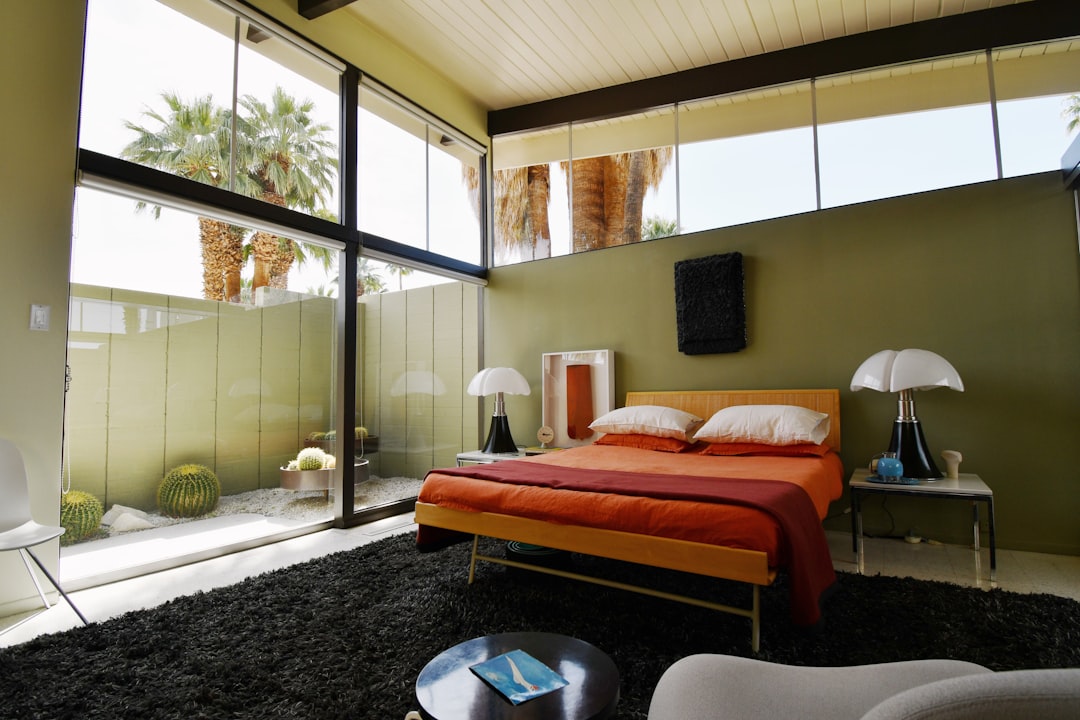
Custom neon pieces serve as emotional anchors in a room. A softly glowing name above a crib, a favorite lyric in a living room, or an abstract light shape behind a sofa adds narrative to the design.
Typography as Art
Another reason LED neon has become a visual language lies in typography. Fonts communicate tone just as clearly as words themselves. In glowing form, typography becomes even more expressive.
Consider how different typographic styles transform a message:
- Bold sans-serif: modern, confident, direct
- Flowing script: romantic, playful, intimate
- All caps block letters: assertive, energetic
- Minimal line art lettering: refined, contemporary
The addition of color intensifies the emotional impact. Warm white feels sophisticated. Pink feels fun and nostalgic. Blue feels calm and tech-forward. Red evokes urgency and passion.
When typography, color, and light combine, the result is more than décor—it is communication. This is why many brands are incorporating their logos in LED neon format inside workspaces and storefronts. It reinforces brand recognition in a memorable and striking way.
Flexibility Enables Creativity
Traditional signage often required rigid shapes and rectangles. LED neon’s flexible strips allow designers to break free from those constraints. Organic curves, asymmetrical forms, and intricate outlines are now widely achievable.
This creative flexibility supports:
- Custom illustrations
- Line-drawn portraits
- Abstract shapes
- Geometric patterns
- Three-dimensional installations
Instead of simply mounting a sign, designers can now integrate light into architectural elements, shelving systems, or art installations.
Image not found in postmetaSustainability and Practical Advantages
Beyond aesthetics, practical considerations have fueled adoption. LED neon is typically more energy-efficient and longer-lasting than traditional glass neon. It consumes less power and generates little heat, making it suitable for interiors where safety and energy costs matter.
Additional benefits include:
- Durability: Resistant to breakage compared to glass.
- Lower maintenance: Longer lifespan reduces replacement frequency.
- Adaptability: Often dimmable and compatible with smart systems.
- Portability: Lightweight construction allows easy repositioning.
In an era where sustainability and efficiency are key design considerations, LED neon aligns with practical needs while maintaining aesthetic impact.
Emotional Atmosphere and Experiential Design
Modern design increasingly prioritizes experience. Retail environments aim to immerse shoppers. Offices aim to inspire creativity and collaboration. Homes aim to provide comfort and connection.
Light plays a crucial role in shaping emotional response. Soft glows feel inviting. Vibrant hues energize. Subtle backlighting adds mystery.
Custom LED neon uniquely combines architectural lighting with graphic messaging. Instead of being purely functional, it is expressive. It contributes to what designers call placemaking—the deliberate crafting of an environment’s emotional character.
For example:
- A wellness studio may feature calming affirmations in muted white light.
- A nightclub may showcase bold, colorful phrases pulsing with music.
- A start-up workspace may display a mission statement in sleek, minimalist glow.
In each setting, the neon installation acts as an emotional cue, reinforcing the space’s purpose.
The Democratization of Design
Perhaps the most significant reason custom LED neon has become a visual language is accessibility. What was once specialized and expensive can now be ordered in small batches, custom-sized, and tailored to individual taste.
This democratization means:
- Small businesses can compete visually with larger brands.
- Individuals can personalize rented spaces without permanent changes.
- Event planners can create bespoke experiences at manageable costs.
As more people gain access to customized visual tools, expression becomes more dynamic across all types of environments.
Why It’s More Than a Trend
While some critics initially dismissed the rise of LED neon as a passing design trend, its staying power suggests otherwise. The reason is simple: it operates at the intersection of art, technology, and communication.
Custom LED neon:
- Communicates identity in seconds.
- Transforms blank surfaces into focal points.
- Supports branding and storytelling.
- Enhances mood and atmosphere.
- Adapts to changing tastes and environments.
Unlike purely decorative objects, it carries meaning. Words in light are harder to ignore than framed prints. Glowing logos feel more immersive than painted ones. Illuminated art interacts with its environment rather than simply occupying it.
Conclusion: A Language Written in Light
Custom LED neon has become a defining feature of modern spaces because it does more than illuminate—it communicates. It merges technology with emotion, typography with atmosphere, and individuality with shared experience. In a world where environments must tell stories instantly and memorably, light has become one of the most powerful storytellers.
As architecture and interior design continue to evolve toward immersive, personalized experiences, the glow of custom LED neon is unlikely to fade. Instead, it will continue shaping how spaces speak—quietly, boldly, and brilliantly—through a language written in light.