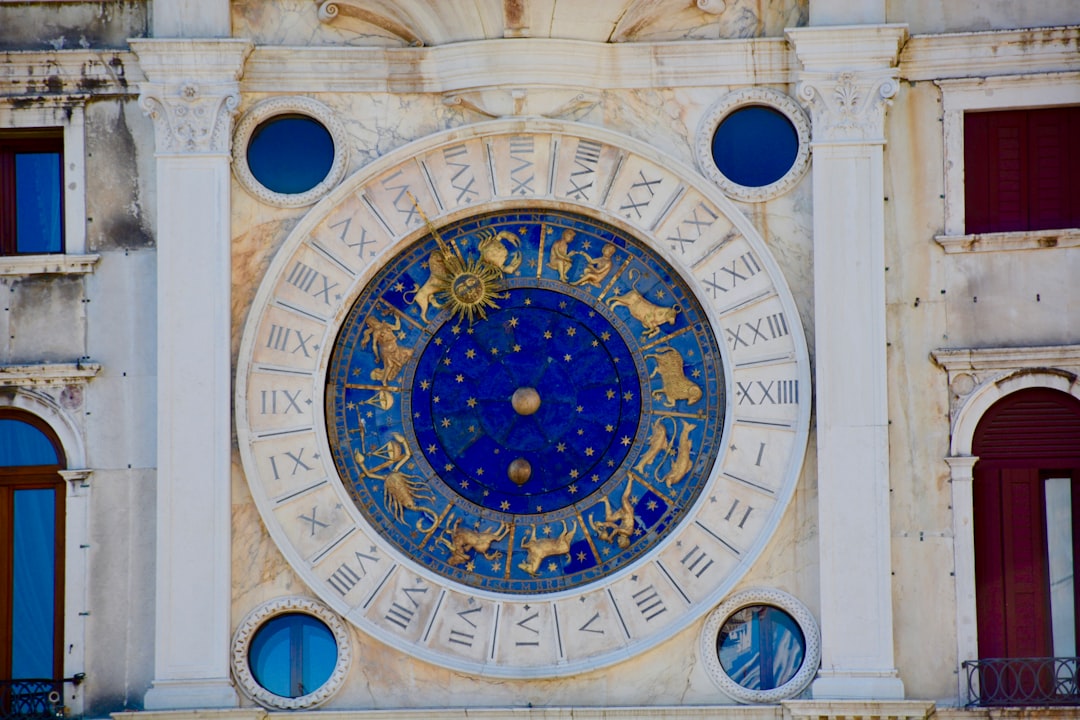
In astrology, the term nativität refers to the moment of birth and the unique celestial configuration that shapes an individual’s life path. Rooted in the Latin word nativitas, meaning “birth,” it forms the foundation of natal astrology—the branch of astrology dedicated to interpreting a person’s birth chart. Far more than a symbolic snapshot, a nativität is regarded by astrologers as a precise cosmic imprint that reveals personality traits, strengths, challenges, and life themes.
TLDR: Nativität is the astrological term for a person’s birth moment and the natal chart calculated from it. It represents the exact positions of the planets, zodiac signs, and houses at the time and place of birth. Astrologers interpret this chart to understand personality, life direction, and potential challenges. The concept serves as the cornerstone of natal astrology and personal horoscope analysis.
The Historical Roots of Nativität
The concept of nativität dates back thousands of years to ancient Mesopotamia, Egypt, and later Greece and Rome. Early astrologers observed correlations between celestial movements and earthly events. Over time, they began applying these observations to individual births, believing that the heavens at the exact hour of arrival reflected a person’s destiny and character.
In Hellenistic astrology, the term genethliology described the study of nativities. Medieval and Renaissance astrologers further refined techniques for calculating and interpreting natal charts. The German word Nativität, still used in traditional astrological literature, reflects this long scholarly lineage.
Throughout history, astrologers have treated the nativität as:
- A cosmic blueprint for individual development
- A map of potential, not fixed fate
- A psychological profile expressed through symbolic language
- A timing reference point for forecasting techniques
This historical continuity reinforces the seriousness with which the concept is regarded in astrological practice.
What Exactly Is Included in a Nativität?
A nativität is more than a simple horoscope found in newspapers. It is a detailed chart calculated using three essential pieces of information:
- Date of birth
- Exact time of birth
- Place of birth
Using astronomical calculations, astrologers determine the precise positions of the Sun, Moon, planets, and other significant points relative to the twelve zodiac signs and twelve houses.
A complete nativität typically contains:
- The Sun sign – Core identity and vitality
- The Moon sign – Emotional nature and instincts
- The Ascendant (Rising sign) – Social expression and first impressions
- The planetary positions – Psychological drives and functional energies
- The twelve houses – Life areas such as career, relationships, and home
- Aspects – Geometric angles between planets indicating dynamic interactions
Together, these components form a complex symbolic system. The nativität does not rely on one factor alone; instead, meaning emerges from the interplay among all chart elements.
The Central Role of the Ascendant
Among all elements of a nativität, the Ascendant holds special importance. Also called the Rising Sign, it is determined by the zodiac sign ascending on the eastern horizon at the moment of birth. Because it changes approximately every two hours, an accurate birth time is crucial.
The Ascendant influences:
- Physical appearance and demeanor
- Initial approach to life situations
- The structuring of the twelve houses
Without a reliable Ascendant, the houses cannot be calculated precisely, and much of the chart’s interpretive depth is diminished. For this reason, professional astrologers stress the importance of correct birth records when analyzing a nativität.
Nativität as a Psychological Map
Modern astrology increasingly interprets the nativität through a psychological lens. Rather than predicting unavoidable destiny, contemporary practitioners see the birth chart as a symbolic representation of inner dynamics.
For example:
- A strong Saturn may indicate discipline but also fear of failure.
- A prominent Venus may highlight artistic sensitivity and relational harmony.
- Challenging Mars aspects may symbolize assertiveness struggles.
In this framework, the nativität becomes a tool for self-awareness. It describes tendencies and potentials, but how those are expressed depends on personal choices and circumstances.
This interpretation aligns with the broader modern view of astrology as a reflective art rather than a deterministic science.
Timing and Predictive Techniques
Beyond character analysis, the nativität serves as the fixed reference point for forecasting methods. Techniques such as transits, progressions, and solar returns compare current planetary movements to the natal chart.

Some common predictive methods include:
- Transits – Observing how current planets interact with natal positions
- Secondary progressions – Symbolic day for a year evolution of the chart
- Solar return charts – Annual charts cast for the Sun’s return to its natal position
- Profections – Annual house rulership cycles from traditional astrology
Each of these techniques depends entirely on the precision of the original nativität. Inaccurate birth data can significantly alter predictive interpretations.
Determinism vs. Free Will
A common misunderstanding is that a nativität determines fate in a rigid manner. Historically, some astrological traditions leaned toward determinism, especially in periods when astrology was intertwined with cosmological and theological systems.
However, many respected astrologers emphasize a more balanced position:
- The chart describes potential patterns, not fixed outcomes.
- Conscious awareness can transform how energies are expressed.
- External circumstances interact with natal predispositions.
This nuanced perspective allows the concept of nativität to coexist with personal responsibility and freedom of choice.
The Symbolic Language of the Planets
In a nativität, planets do not exert physical forces in a measurable scientific sense. Instead, astrology interprets them symbolically. Each planet represents a principle or archetype:
- Sun: Identity, purpose, vitality
- Moon: Emotions, instincts, habits
- Mercury: Communication, intellect, perception
- Venus: Love, attraction, aesthetics
- Mars: Action, drive, assertion
- Jupiter: Growth, optimism, expansion
- Saturn: Structure, discipline, limitation
- Uranus: Innovation, rebellion, sudden change
- Neptune: Imagination, spirituality, illusion
- Pluto: Transformation, power, regeneration
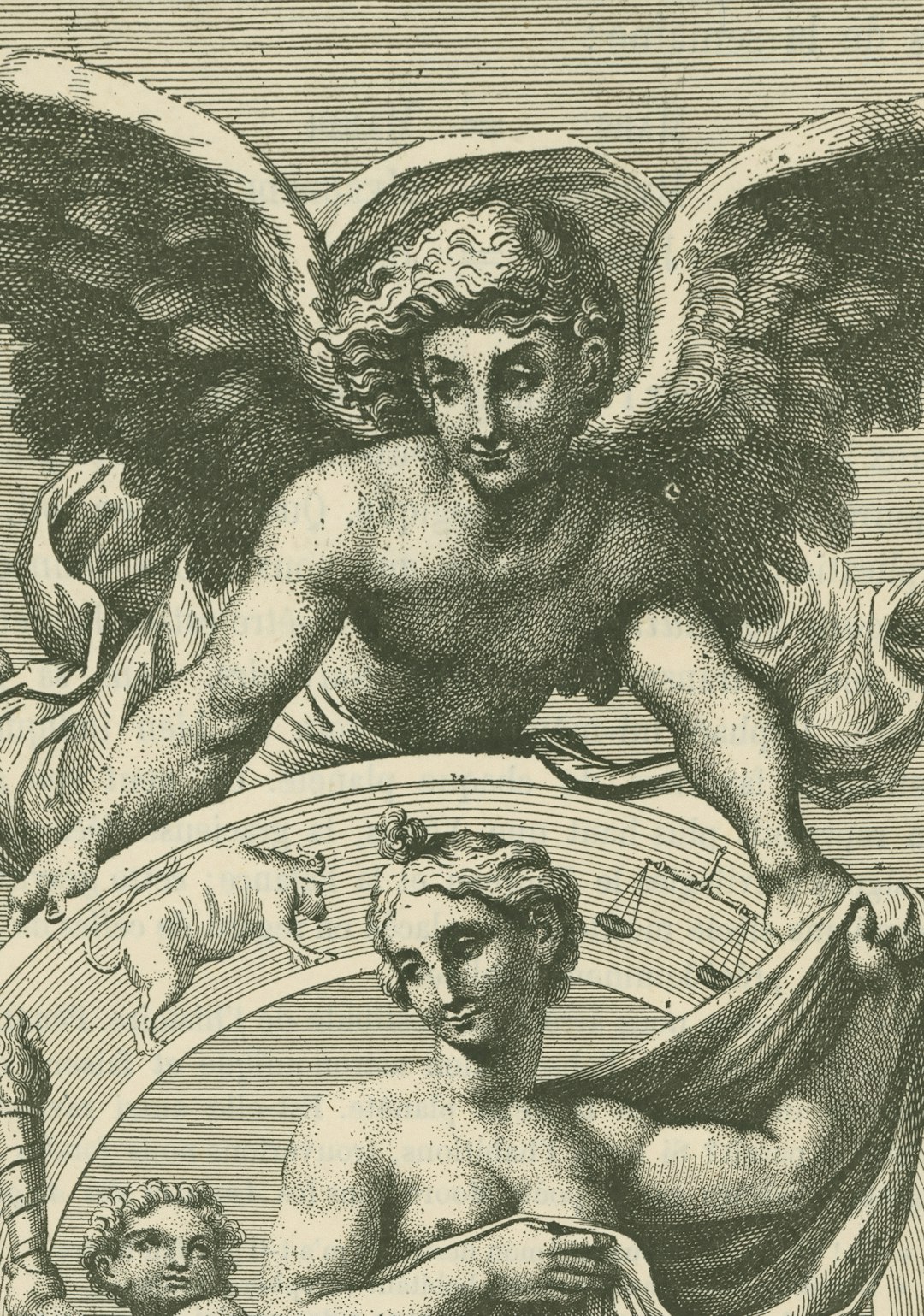
The meaning of each planet is modified by the zodiac sign it occupies and the house in which it is placed. Aspects between planets further refine interpretation, creating a web of dynamic relationships.
Why Accuracy Matters
The calculation of a nativität relies on astronomical data. Even minor discrepancies in birth time can shift the Ascendant and house cusps, significantly altering interpretation.
Professional astrologers often conduct birth time rectification when records are uncertain. This method involves analyzing major life events to approximate the correct time of birth. While not exact science, it reflects the seriousness with which practitioners approach chart precision.
This methodological care distinguishes natal astrology from generalized sun-sign astrology commonly found in popular media.
Nativität in Cultural Context
The concept of nativität appears in various cultural traditions. Western astrology emphasizes the tropical zodiac, while Vedic astrology (Jyotish) often uses the sidereal zodiac. Despite technical differences, both systems center on the birth moment as astrologically decisive.
In many cultures, casting a birth chart was historically considered an essential rite, especially for rulers and public figures. Royal courts employed court astrologers to interpret nativities and advise on governance, marriage alliances, and military campaigns.
Although modern society may approach astrology more privately, the symbolic power of the birth chart remains significant in contemporary practice.
Modern Applications of the Nativität
Today, the nativität is used in diverse contexts:
- Personal growth and counseling
- Career guidance
- Relationship compatibility analysis
- Spiritual exploration
- Life-cycle planning
Astrological consultations often combine natal analysis with current transits to provide structured insight into present circumstances. While empirical validation remains debated in scientific communities, many individuals find the interpretive structure meaningful and practically helpful.
Conclusion
Nativität represents the foundational concept of natal astrology: the precise celestial configuration at the moment of birth. It integrates astronomical calculation with symbolic interpretation, producing a detailed map of character, tendencies, and life themes. Rather than dictating fate, it offers a framework for understanding potential and navigating life consciously.
Whether approached as a symbolic language, a psychological model, or a spiritual tradition, the nativität remains central to astrological practice. Its enduring presence across centuries and cultures reflects the human desire to find meaning in the connection between the cosmos and individual existence.
In serious astrological study, everything begins with the nativität. It is the reference point, the anchor, and the interpretive core from which all further analysis unfolds.