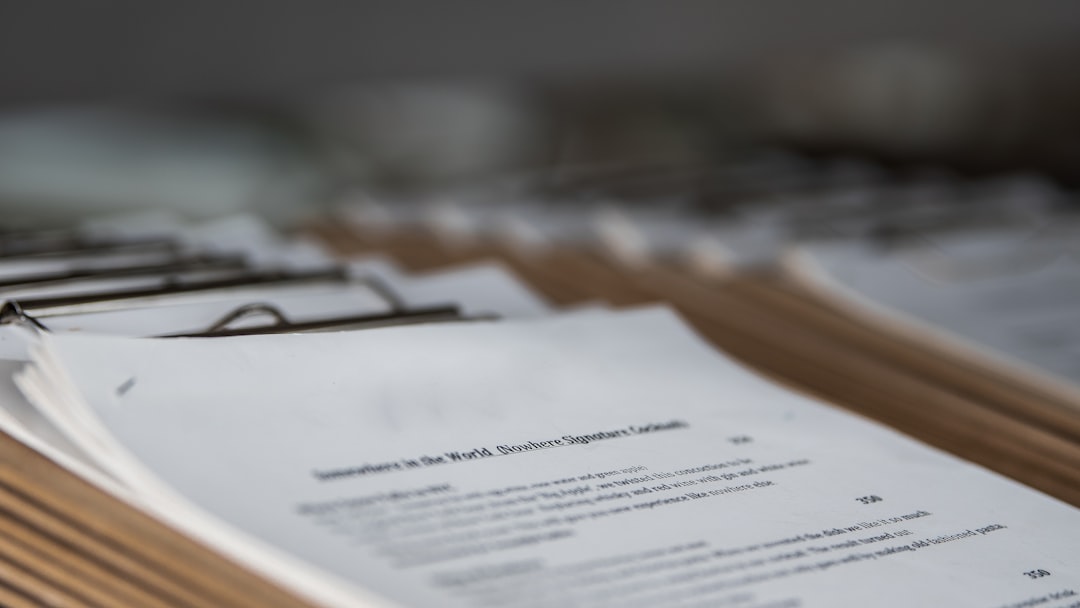
In government, defense, and certain private sector environments, properly handling sensitive information is not just a best practice—it is a legal requirement. One term that often raises questions is “destroying CUI.” While it may sound straightforward, it carries specific legal and procedural meaning that organizations must understand and follow correctly.
TLDR: Destroying CUI refers to permanently eliminating Controlled Unclassified Information so it cannot be reconstructed or recovered. This process must follow strict standards defined by federal regulations such as NIST and agency-specific policies. Approved destruction methods vary depending on whether the CUI is in paper or electronic form. Failure to properly destroy CUI can result in serious compliance, legal, and security consequences.
Understanding CUI: A Quick Overview
Before explaining destruction requirements, it is important to understand what CUI (Controlled Unclassified Information) actually means.
CUI refers to information that:
- Is not classified
- Requires safeguarding or dissemination controls
- Is protected under federal law, regulation, or government-wide policy
Examples of CUI may include:
- Personal Identifiable Information (PII)
- Export-controlled data
- Defense-related technical data
- Financial records tied to government contracts
- Certain legal or investigative documents
Although CUI is not classified at the level of Confidential, Secret, or Top Secret, it still carries significant protection requirements. Organizations that handle CUI—especially government contractors—must comply with standards such as NIST SP 800-171 and related frameworks.
What Does “Destroying CUI” Actually Mean?
Destroying CUI means rendering the information irrecoverable and unreadable so that it cannot be reconstructed, retrieved, or exploited.
This definition is more precise than simply “throwing it away” or “deleting a file.” True destruction requires:
- Elimination beyond recovery
- Approved destruction methods
- Documentation (in many cases)
- Compliance with federal standards
Improper destruction—such as tossing sensitive papers in regular trash or deleting files without wiping the storage device—does not qualify as destroying CUI.
Legal and Regulatory Basis for Destroying CUI
The requirement to destroy CUI properly comes from several regulatory sources:
- 32 CFR Part 2002 (CUI Program regulations)
- NIST SP 800-171 (for contractors)
- NIST SP 800-88 (media sanitization guidelines)
- Agency-specific security requirements
For example, NIST SP 800-171 control 3.8.3 requires organizations to “sanitize or destroy information system media containing CUI before disposal or release for reuse.”
That means destruction must follow recognized sanitization standards—not improvised methods.
Approved Methods for Destroying Physical CUI
CUI in physical form, such as paper documents or physical storage media, must be destroyed using mechanisms that prevent reconstruction.
Common approved methods include:
1. Shredding
- Cross-cut shredders (not strip-cut)
- Confetti or micro-cut shredding for higher sensitivity
2. Pulverizing
- Industrial-grade destruction that reduces material to fine particles
3. Burning
- Incineration in approved facilities
4. Pulping
- Dissolves paper into slurry form
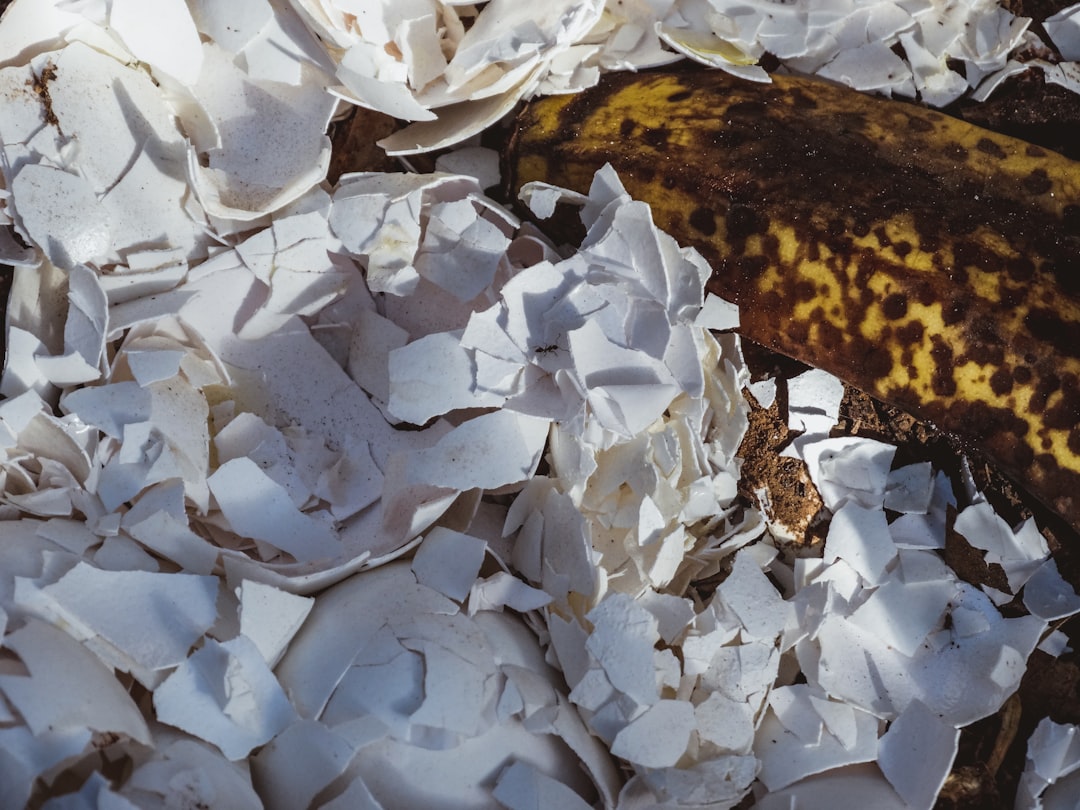
Simply tearing documents in half or placing them in recycling bins does not satisfy destruction standards.
Destroying Electronic CUI
Electronic information presents additional challenges because deleting files does not remove underlying data from storage media.
Approved destruction or sanitization techniques include:
1. Clearing
Using software tools to overwrite data, making recovery infeasible with standard methods.
2. Purging
More thorough sanitization, often involving cryptographic erase functions or secure overwrite protocols.
3. Physical Destruction
- Destroying hard drives physically
- Degaussing magnetic storage
- Crushing, shredding, or pulverizing electronic media
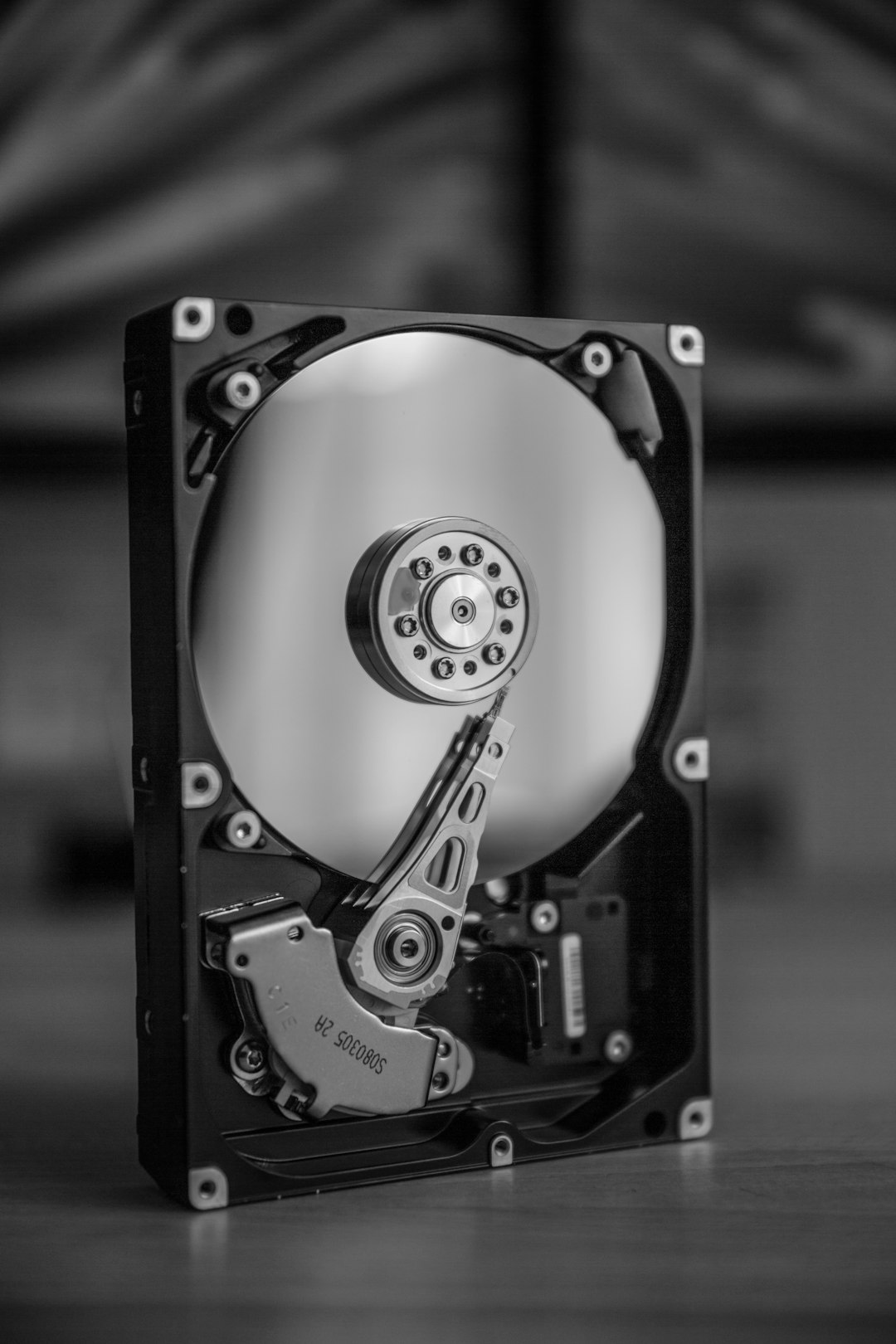
Organizations often rely on NIST SP 800-88 for specific instructions on media sanitization levels (Clear, Purge, Destroy).
When Should CUI Be Destroyed?
CUI must be destroyed when:
- It is no longer needed for business purposes
- A contract requires its disposal
- Retention timelines expire
- Storage devices are being decommissioned or reused
Organizations must follow approved records retention schedules. Destroying CUI prematurely can be just as problematic as retaining it too long.
Who Is Responsible for Destroying CUI?
Responsibility depends on context:
- Government agencies must follow federal CUI program rules.
- Contractors must comply with contract clauses and NIST controls.
- IT departments often manage electronic sanitization.
- Employees are responsible for proper day-to-day document handling.
Many organizations establish written procedures outlining:
- Who authorizes destruction
- Which methods are approved
- How destruction is documented
- How vendors are vetted
Risks of Improper Destruction
Failing to properly destroy CUI can result in:
- Data breaches
- Loss of government contracts
- Regulatory penalties
- Legal liability
- Reputational damage
For defense contractors in particular, noncompliance may impact certification requirements or contract eligibility.
Difference Between Destroying, Disposing, and Archiving CUI
These terms are sometimes confused but have different meanings:
- Destroying CUI: Permanently rendering it unrecoverable.
- Disposing of CUI: May include destruction, but disposal must follow destruction standards.
- Archiving CUI: Securely storing information for future authorized use.
Archiving still requires safeguarding. Destruction removes the safeguarding requirement because the data no longer exists in usable form.
Best Practices for Organizations
To maintain compliance and reduce risk, organizations should:
- Develop written CUI destruction policies
- Train employees annually
- Use certified shredding or destruction vendors
- Maintain destruction logs when required
- Conduct periodic audits
- Verify vendor compliance with NIST standards
Third-party vendors should provide:
- Certificates of destruction
- Chain-of-custody documentation
- Secure transportation procedures
Real-World Example
Consider a defense contractor upgrading its internal servers. The company cannot simply resell old hard drives online. Instead, it must:
- Identify which drives contain CUI
- Apply NIST-approved sanitization methods
- Document the destruction process
- Physically destroy drives when required
Without those steps, residual data could be extracted and exploited.
Conclusion
Destroying CUI is a formal process that goes beyond routine disposal. It requires rendering information fully unrecoverable using approved methods that align with federal standards. Whether the information is paper-based or digital, organizations must follow strict protocols to ensure legal compliance and protect sensitive government-related data.
Understanding what “destroying CUI” truly means helps organizations reduce risk, strengthen compliance, and maintain trust with federal partners. In security-sensitive environments, destruction is not simply the end of a document’s life—it is a controlled and accountable process.
Frequently Asked Questions (FAQ)
1. Is deleting a file considered destroying CUI?
No. Simply deleting a file does not remove the data from storage media. Approved sanitization methods must be used to ensure the data cannot be recovered.
2. Can CUI be placed in regular trash if it is no longer needed?
No. Physical documents containing CUI must be shredded, burned, pulverized, or otherwise destroyed according to approved standards.
3. What regulation governs destruction of electronic CUI?
NIST SP 800-88 provides guidance on media sanitization, and NIST SP 800-171 outlines protection requirements for contractors handling CUI.
4. Do small contractors have to follow the same destruction rules?
Yes. Any organization handling CUI under a federal contract must comply with applicable CUI and NIST requirements, regardless of size.
5. Is documentation required when destroying CUI?
Often yes, especially in government or contractor environments. Many organizations maintain destruction logs or obtain certificates of destruction from vendors.
6. What happens if CUI is not properly destroyed?
Improper destruction can lead to data breaches, regulatory violations, contract termination, financial penalties, and reputational harm.