
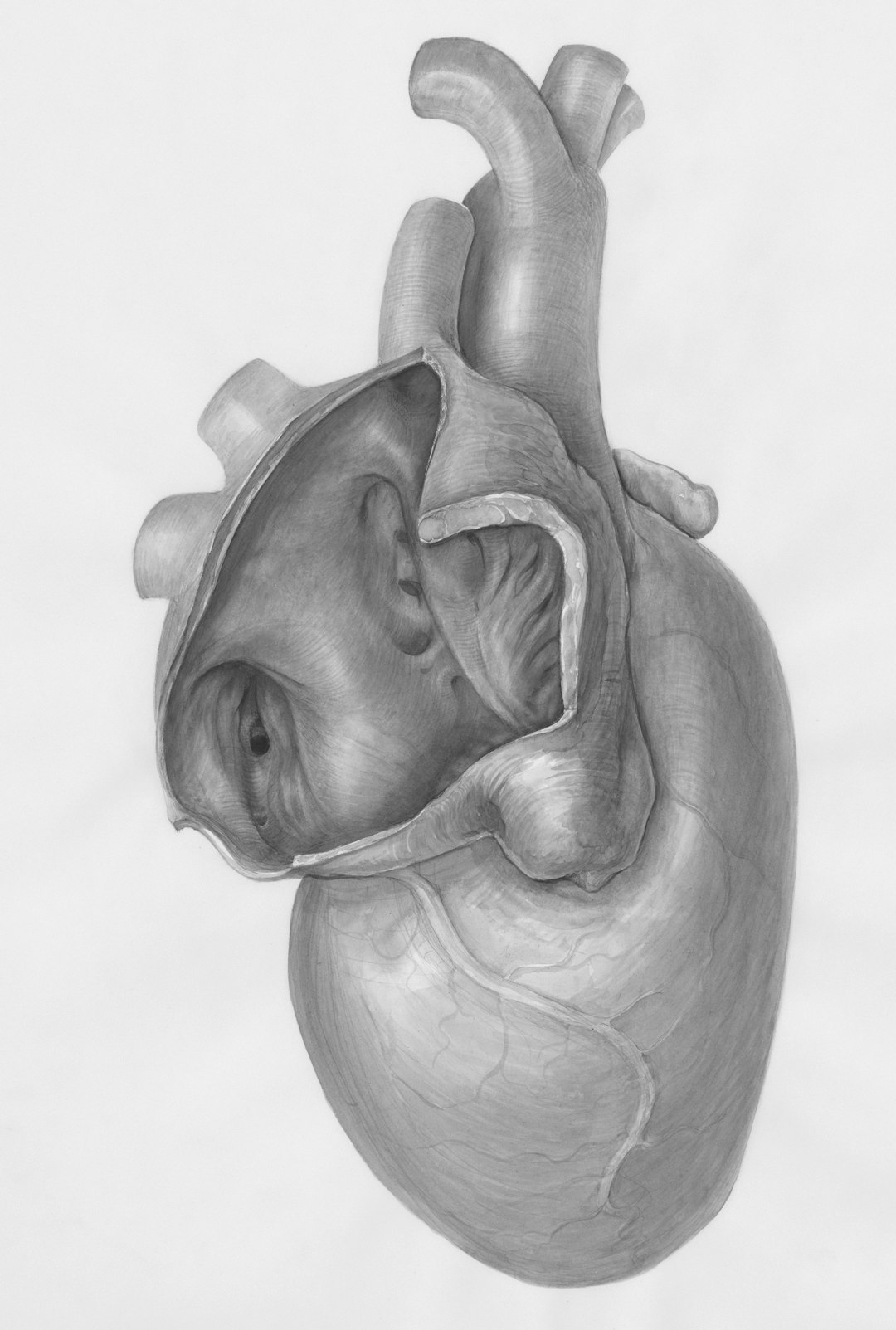
As healthcare technology continues to evolve, specialists in diagnostic imaging play an increasingly critical role in patient diagnosis and treatment. One such specialist is the echocardiography technician, often referred to as an echo tech. These professionals are the heartbeat of cardiovascular health imaging, using ultrasound technology to create images of the heart and major blood vessels.
TL;DR: Echo techs, also known as cardiovascular sonographers, perform ultrasound exams focused on the heart. They work closely with cardiologists to diagnose and monitor heart conditions by capturing clear, real-time images. The career is fast-growing, highly specialized, and offers opportunities in hospitals, clinics, and mobile imaging units. Becoming an echo tech requires formal education and certification, but provides flexibility and strong job security.
What Is an Echo Tech?
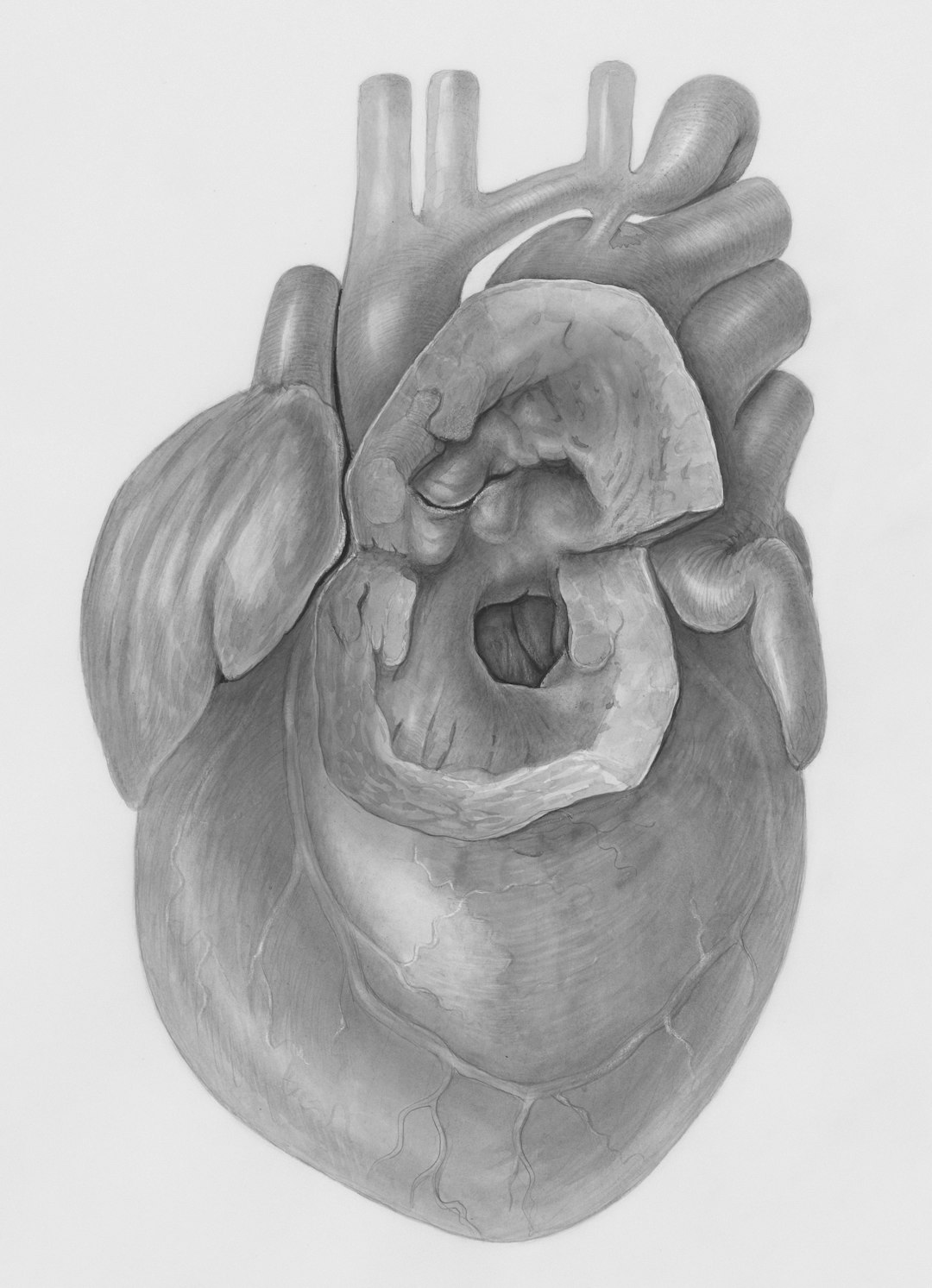
An echocardiography technician, or cardiovascular sonographer, is trained to use ultrasound equipment to examine the heart’s structure and function. The key tool of their trade is the echocardiogram, a painless diagnostic test that uses sound waves to produce images of the heart in motion. These images help physicians identify issues such as:
- Heart valve defects
- Congenital heart disease
- Cardiomyopathy (thickened or weakened heart muscle)
- Fluid around the heart (pericardial effusion)
- Efficiency of heart pumping (ejection fraction)
Daily Responsibilities of a Cardiovascular Sonographer
Echo techs are responsible not only for operating specialized ultrasound machines, but also for ensuring that the imaging is accurate and that patients are comfortable throughout the procedure. A typical day may include:
- Explaining procedures to patients
- Preparing and positioning patients for imaging
- Adjusting equipment settings for optimal image quality
- Capturing echocardiogram images from various angles
- Collaborating with cardiologists and other medical staff
- Maintaining equipment and adhering to safety protocols
In emergency or operating room settings, the echo tech may also perform transesophageal echocardiograms (TEE), a more invasive form of echocardiography where the probe is inserted down the patient’s throat to get highly detailed images of the heart.
Education and Training Requirements
To become an echo tech, one typically needs to complete a formal education program in diagnostic medical sonography or cardiovascular technology. These programs are available as:
- Associate degrees (2 years)
- Bachelor’s degrees (4 years)
- Certificate programs for those with prior healthcare credentials
Programs should be accredited by bodies like the Commission on Accreditation of Allied Health Education Programs (CAAHEP). Coursework usually includes anatomy, physiology, ultrasound physics, and hands-on clinical training.
After completing an educational program, aspiring echo techs often pursue certification, such as:
- Registered Diagnostic Cardiac Sonographer (RDCS) issued by ARDMS
- Registered Cardiac Sonographer (RCS) offered by CCI
Certification helps improve job prospects and usually becomes a requirement for employment in most medical institutions.
Skills That Make a Successful Echo Tech
While technical abilities are crucial, soft skills are equally important. An effective echocardiography technician possesses:
- Strong attention to detail, to capture accurate images and detect subtle changes
- Excellent communication skills, particularly in explaining procedures to anxious or confused patients
- Physical stamina, as the job may involve long hours standing or maneuvering patients and equipment
- Critical thinking, to adapt image techniques and spot abnormalities
Where Do Echo Techs Work?
Cardiovascular sonographers can be found in various healthcare settings, including:
- Hospitals (emergency departments, cardiology units, ORs)
- Outpatient clinics and cardiology offices
- Diagnostic laboratories
- Mobile imaging companies
- Travel healthcare assignments
Some echo techs may work unconventional hours, especially in 24/7 hospital settings or during on-call rotations. However, clinics and labs may offer more traditional weekday hours, appealing to those with families or work-life balance priorities.
Career Outlook and Salary Expectations
Echo techs are in high demand. According to the U.S. Bureau of Labor Statistics, diagnostic medical sonographers (including echo techs) have a projected job growth of 10% from 2022 to 2032, which is much faster than average.
Median annual salary: Around $81,350 (as of 2022), though earnings can vary depending on experience, certifications, specialty area, and geographic location. Some top earners in high-demand regions can make over $100,000 annually.
Higher salaries are often found in densely populated urban areas or in roles requiring emergency or surgical procedure experience.
Certification Renewal and Continuing Education
Echo techs must stay current in their field due to rapid technological advancements. Certifications like RDCS or RCS usually require regular renewal and continuing education credits. Attending conferences, online webinars, and equipment training workshops helps technicians stay competitive and competent throughout their careers.
Advancement Opportunities
This is not a dead-end career; in fact, it offers various paths for advancement. Experienced cardiovascular sonographers often move into:
- Lead technologist roles within imaging departments
- Clinical instruction in education programs
- Sales and applications specialists for ultrasound equipment vendors
- Specialized imaging areas like pediatric echocardiography or vascular sonography
- Diagnostic lab management
Conclusion
Echo techs play a vital role in cardiac healthcare by providing the first look at how the heart is functioning in real-time. Their precision and skill guide life-saving treatments and long-term care strategies. For those interested in the fusion of technology, healthcare, and patient care, a career in cardiovascular sonography offers a rewarding and stable path forward.
FAQ
- Q: What is the difference between an echo tech and a general sonographer?
A: While general sonographers may image various parts of the body, echo techs specialize exclusively in the heart and cardiovascular system. - Q: Do echo techs need a license to practice?
A: Licensure requirements vary by state, but most employers require certification from ARDMS or CCI to practice. - Q: Is the job physically demanding?
A: Yes, echo techs often spend hours on their feet, move heavy equipment, and position patients, which can be physically taxing. - Q: Can echo techs work remotely?
A: While actual imaging procedures must be done in-person, some echo techs in education or device support roles may work partially remote. - Q: How long does it take to become an echo tech?
A: Most programs range from 2 to 4 years, depending on the type of degree or certificate being pursued.