
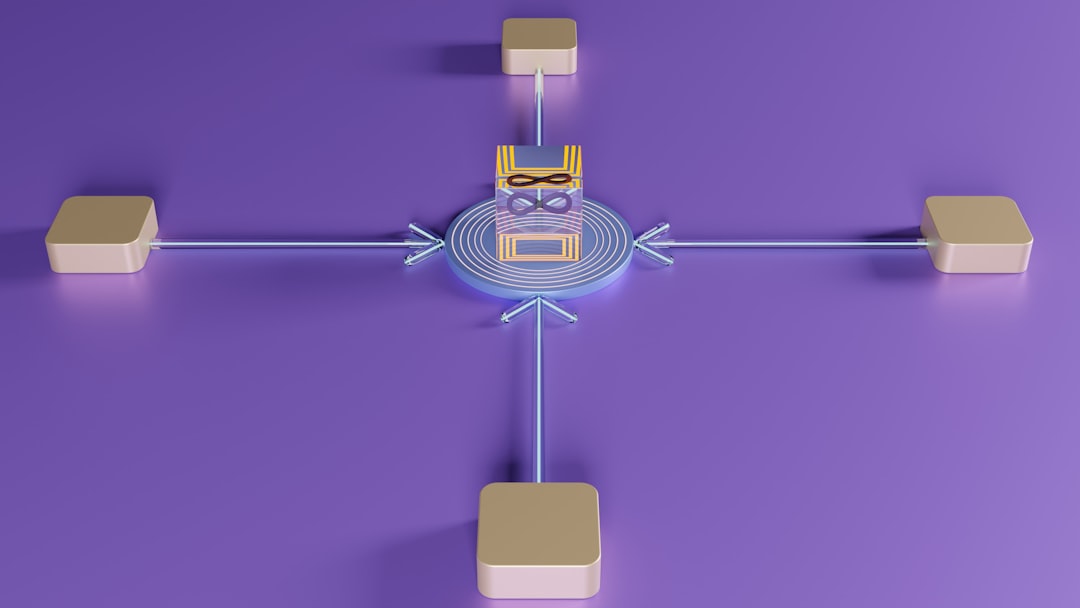
API composition has become a critical architectural practice for modern software teams. As organizations distribute their services across microservices, cloud providers, and third-party APIs, they need reliable ways to unify those services into cohesive, queryable interfaces. StepZen has long positioned itself as a GraphQL-based API composition platform, but it is far from the only option. Many teams evaluate alternatives based on scalability, governance, vendor strategy, open-source flexibility, and integration capabilities.
TLDR: Teams compare several mature solutions instead of StepZen when they need flexible API composition, including Apollo Federation, Hasura, Kong, Tyk, and AWS AppSync. The right choice depends on architecture style, governance requirements, vendor preferences, and performance needs. Some tools emphasize GraphQL federation, others focus on API gateway aggregation or serverless execution. Selecting the best platform requires a close look at scalability, control, ecosystem maturity, and operational complexity.
Below is a detailed look at the most commonly compared tools and the reasons engineering teams evaluate them alongside—or in place of—StepZen.
Why Teams Look Beyond StepZen
Before examining alternatives, it is important to understand why organizations explore other options. Common drivers include:
- Desire for self-hosted or open-source solutions
- Enterprise governance and observability requirements
- Tighter integration with existing cloud providers
- Advanced federation and scaling needs
- Cost predictability at scale

StepZen excels at connecting REST APIs, databases, and third-party services into a unified GraphQL layer. However, some teams require deeper federation capabilities, broader gateway functionality, or more granular operational control.
1. Apollo Federation
Apollo Federation is one of the most widely adopted frameworks for composing distributed GraphQL services. It enables teams to build a “supergraph” by combining multiple subgraphs into a unified schema.
Why Teams Choose Apollo
- Industry-leading GraphQL tooling
- Strong developer ecosystem
- Advanced schema federation capabilities
- Enterprise-grade observability and governance (Apollo GraphOS)
Apollo Federation is especially attractive for organizations already committed to GraphQL across multiple microservices. It allows independent teams to own their schemas while contributing to a shared API layer.
Compared to StepZen, Apollo typically serves companies with larger GraphQL-first architectures rather than teams primarily looking to wrap REST services quickly.
2. Hasura
Hasura is another frequently compared alternative. It automatically generates GraphQL APIs over databases and allows extension through remote schemas and actions.
Key Strengths
- Instant GraphQL over PostgreSQL
- Strong real-time support via subscriptions
- Role-based authorization at the schema layer
- Hybrid cloud and self-hosted options
Hasura is appealing to teams focused heavily on database-driven applications. While StepZen emphasizes composability across disparate APIs, Hasura excels when the database is central and performance is critical.
Engineering teams often compare the two when deciding between an API-aggregation layer and a database-first GraphQL engine.
3. Kong Gateway
Kong is not a GraphQL-native federation tool but a widely adopted API gateway that supports API aggregation, transformation, and governance. Many enterprises compare it to StepZen when API composition overlaps with gateway responsibilities.
Why Kong Enters the Conversation
- Enterprise API management capabilities
- Traffic control, rate limiting, and authentication plugins
- Service mesh integration
- Cloud-native and hybrid deployments
Kong may require more manual effort to create unified schemas compared to GraphQL-focused tools. However, it provides broader lifecycle management and security tooling, making it suitable for enterprises that need more than query-layer composition.
4. Tyk
Tyk is another full-featured API gateway often evaluated as an alternative. It offers API management, analytics, and policy enforcement while supporting GraphQL APIs.
Strengths of Tyk
- Open-source core available
- GraphQL support and API transformation
- Strong security and policy controls
- Flexible deployment models
Organizations with stringent compliance requirements frequently evaluate Tyk due to its governance and visibility features. Unlike StepZen, which prioritizes schema composition, Tyk focuses on central policy enforcement and API lifecycle control.
5. AWS AppSync
AWS AppSync is Amazon’s managed GraphQL service and often competes directly with StepZen for cloud-native teams.
When AWS AppSync Is Preferred
- Deep integration with AWS services (DynamoDB, Lambda, Aurora)
- Fully managed infrastructure
- Real-time and offline synchronization support
- IAM-based access control
For organizations already operating primarily within AWS, AppSync reduces operational overhead and aligns naturally with their cloud strategy. Teams comparing it to StepZen often prioritize vendor consolidation and long-term cloud integration over multi-cloud flexibility.
6. GraphQL Mesh
GraphQL Mesh is an open-source tool that converts multiple API sources—REST, gRPC, SOAP, GraphQL—into a unified GraphQL schema.
Reasons Teams Consider It
- Open-source flexibility
- Broad protocol support
- Strong customization
- Community-driven ecosystem
GraphQL Mesh is often seen as the closest architectural comparison to StepZen because both focus on unifying heterogeneous APIs. However, Mesh requires more configuration and ongoing operational management compared to fully managed solutions.
Comparison Chart
| Tool | Primary Focus | Open Source | Enterprise Features | Best For |
|---|---|---|---|---|
| Apollo Federation | GraphQL federation | Partially | Strong (GraphOS) | Large GraphQL-first organizations |
| Hasura | Database-driven GraphQL | Core open source | Strong | Data-centric applications |
| Kong | API gateway management | Core open source | Very strong | Enterprise API lifecycle control |
| Tyk | API management & security | Core open source | Very strong | Compliance-heavy environments |
| AWS AppSync | Managed GraphQL service | No | AWS-native | AWS-centric architectures |
| GraphQL Mesh | API unification | Yes | Moderate | Custom, flexible integration layers |
Key Evaluation Criteria
When comparing tools to StepZen, engineering leaders typically assess:
1. Scalability
Can the system support federated growth across dozens of services?
2. Governance
Does the tool provide schema versioning, audit logs, metrics, and access control?
3. Deployment Model
Is it fully managed, self-hosted, hybrid, or cloud-locked?
4. Vendor Strategy
Does the organization prefer open-source control or a fully managed platform?
5. Developer Experience
How intuitive are schema stitching, debugging, and observability?
Choosing the Right Alternative
No single tool universally replaces StepZen. Instead, each alternative aligns with different architectural priorities:
- Choose Apollo Federation for mature, federated GraphQL ecosystems.
- Choose Hasura when database performance and real-time features dominate.
- Choose Kong or Tyk when governance and API lifecycle management outweigh schema composition concerns.
- Choose AWS AppSync for tight AWS integration and minimal infrastructure management.
- Choose GraphQL Mesh for maximum customization and open-source control.
Careful architectural evaluation ensures the tool supports long-term scaling, not just immediate integration needs.
Final Thoughts
API composition has evolved from a tactical integration strategy into a foundational architecture layer. While StepZen offers a streamlined approach to GraphQL unification, several powerful alternatives compete across different priorities—federation, governance, performance, security, and cloud alignment.
Serious evaluation requires examining not just features, but long-term operability, team expertise, ecosystem fit, and vendor trajectory. The right choice ultimately depends on whether your organization prioritizes GraphQL federation depth, enterprise governance, open-source flexibility, or seamless cloud integration.
By approaching the comparison methodically and aligning it with strategic architecture goals, teams can confidently select the API composition platform that best supports their future growth.