
Search is changing fast. Really fast. What worked five years ago feels ancient today. Keywords alone are not enough. Backlinks are not enough. Even “great content” is not enough by itself anymore. Welcome to the age of AI-driven SEO, where machines help decide what the world sees.
TL;DR: AI is reshaping how search engines rank content and how marketers optimize for visibility. Success now depends on user intent, high-quality content, smart automation, and data-driven decisions. AI tools can help with research, content creation, technical SEO, and personalization. The future belongs to brands that combine human creativity with machine intelligence.
Let’s break it down in a simple and fun way.
Search Is Getting Smarter
Search engines are no longer basic keyword matchers. They are thinking machines. Not in a scary way. But in a pattern-recognition way.
Google uses AI systems like RankBrain and MUM. These systems:
- Understand intent, not just words
- Analyze context of a full page
- Evaluate user behavior
- Predict what users want next
If someone searches “best shoes for flat feet marathon,” the search engine knows this person:
- Is likely a runner
- Needs support
- Wants expert advice
- May be ready to buy
That’s powerful.
And it means your SEO strategy must be smarter too.
From Keywords to Intent Clusters
Old SEO focused on one keyword per page.
“Best coffee maker 2022.”
That’s outdated.
Today’s strategy focuses on intent clusters.
Instead of creating 10 thin pages targeting similar keywords, you build:
- One strong pillar guide
- Several supporting articles
- Internal links connecting them
AI tools help you discover related queries and questions users are asking.
For example, AI can reveal that people searching for “home workout plan” also search:
- Workout without equipment
- Beginner home routine
- Weekly fitness schedule
- Meal plan for fat loss
That’s not random. That’s intent mapping.
The future of SEO is about building content ecosystems, not isolated blog posts.
AI as Your Research Assistant
Imagine having an assistant who never sleeps. Who scans millions of data points in seconds. That’s what AI tools do for SEO.
They can help you:
- Find keyword clusters
- Analyze competitors
- Identify ranking gaps
- Predict traffic potential
- Generate title ideas
Here are some popular AI-driven SEO tools and how they compare:
| Tool | Best For | AI Features | Ease of Use |
|---|---|---|---|
| Surfer SEO | On-page optimization | Content scoring, NLP analysis | Easy |
| Ahrefs | Backlink and competitor research | Keyword clustering, traffic forecasting | Medium |
| SEMrush | All-in-one SEO | Keyword intent data, content optimization | Medium |
| Clearscope | Content refinement | Semantic keyword suggestions | Easy |
| MarketMuse | Content strategy | Topic modeling, content gap analysis | Advanced |
These tools don’t replace strategy. But they speed it up.
Think of them as power steering for your SEO car.
Content Creation in the AI Era
Yes, AI can write content.
You already know that.
But here’s the twist: AI-written content alone will not win.
Search engines are getting better at identifying:
- Shallow content
- Repetitive information
- Low-value articles
- Pages written only to rank
So what works?
Human + AI collaboration.
Here’s the winning formula:
- Use AI to create outlines.
- Use AI to analyze competitors.
- Add human experience.
- Add real examples.
- Add unique insights.
Google now emphasizes E-E-A-T:
- Experience
- Expertise
- Authoritativeness
- Trustworthiness
AI has knowledge.
But humans have experience.
That’s your competitive advantage.
Voice and Visual Search Are Growing
People don’t just type anymore.
They talk.
They snap pictures.
They search with images.
AI makes voice and visual search possible.
That changes SEO strategy.
For Voice Search:
- Target conversational phrases
- Answer questions clearly
- Use FAQ sections
- Optimize for featured snippets
People ask voice assistants full questions like:
“What’s the best way to clean white sneakers at home?”
Your content should answer directly. In simple language. Fast.
For Visual Search:
- Use high-quality images
- Add descriptive alt text
- Optimize image file names
- Include structured data
The future of search is multi-sensory.
Text is just one piece of the puzzle.
User Experience Is Now SEO
This is important.
SEO is no longer just about getting clicks.
It’s about keeping users engaged.
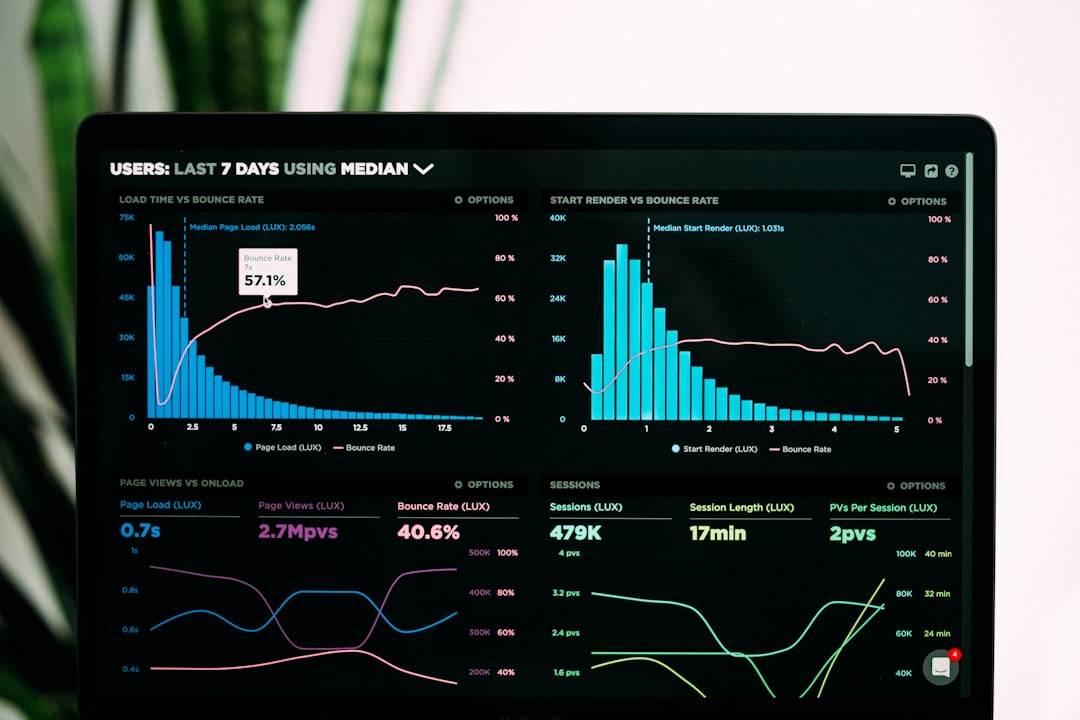
AI evaluates user signals like:
- Click-through rate
- Time on page
- Bounce rate
- Scroll depth
- Interaction behavior
If people leave quickly, rankings drop.
If they stay, read, and click more pages, rankings improve.
So what helps?
- Fast loading speed
- Mobile responsiveness
- Clear headings
- Short paragraphs
- Internal links
- Helpful visuals
Good SEO now feels like good design.
Because it is.
Predictive SEO: The Next Frontier
Here’s where things get exciting.
AI doesn’t just analyze past data.
It predicts trends.
Imagine knowing what people will search next month.
AI tools analyze:
- Rising search terms
- Social media patterns
- Industry news
- Consumer behavior shifts
This allows brands to create content before demand peaks.
That’s called predictive SEO.
For example:
If AI detects rising conversations about “AI resume builders,” you can publish a comprehensive guide early.
By the time the search volume explodes, you already rank.
That’s strategic advantage.
Personalization Will Dominate
In the future, two people searching the same term may see different results.
Why?
- Location
- Search history
- Interests
- Device type
AI customizes results for individuals.
This means your SEO strategy should include:
- Localized content
- Segmented landing pages
- Dynamic recommendations
- Personalized email funnels
The more relevant you are to specific audiences, the better you perform.
Mass content is fading.
Targeted value is rising.
Technical SEO Gets Automated
Technical SEO used to be complex and manual.
Now AI crawlers and audit tools can:
- Detect broken links
- Identify duplicate content
- Monitor site structure
- Recommend schema markup
- Analyze page speed issues
This saves hours of manual work.
Automation frees up your time.
Time you can use for strategy and creativity.
That’s a big shift.
Zero-Click Searches and Featured Snippets
More searches now end without a click.
Users get answers directly on the results page.
This may sound scary.
But it’s an opportunity.
To win in zero-click search:
- Answer questions clearly in 40–60 words
- Use bullet points
- Add structured data markup
- Optimize for “People Also Ask”
Visibility is becoming as important as traffic.
Brand exposure still builds authority.
The Human Edge
Let’s end with something important.
AI is powerful.
But it’s a tool.
Not a replacement for creativity.
The future winners in SEO will:
- Use AI for efficiency
- Use data for direction
- Use humans for storytelling
- Use empathy for connection
Because at the end of every search is a person.
With a problem.
With curiosity.
With needs.
Search engines try to understand them.
Your job is to truly help them.
Final Thoughts
The future of search is intelligent. Automated. Personalized. Predictive.
It rewards depth over fluff.
Experience over imitation.
Strategy over shortcuts.
AI-driven SEO is not about tricking the algorithm.
It’s about understanding how the algorithm thinks.
And aligning your content with real human intent.
Combine machine intelligence with human insight.
That’s the real secret.
And that’s where the future is heading.