

In today’s fast-paced digital landscape, the need for specialists who can navigate internet trends and engage online communities has grown significantly. Two key players in this arena are the social media coordinator and the social media manager. While often used interchangeably, these roles have distinct responsibilities, expectations, and levels of strategic influence within an organization.
TLDR (Too long, didn’t read)
A social media coordinator typically focuses on executing daily tasks like posting content, monitoring engagement, and supporting campaigns across platforms. A social media manager is more strategic, overseeing the overall social media plan, analyzing performance metrics, managing budgets, and leading a team. Coordinators are often entry-level, while managers require more experience and leadership skills. Both roles are crucial but operate at different levels of decision-making and responsibility within a marketing department.
Understanding the Roles
What is a Social Media Coordinator?
A social media coordinator is usually an entry-level or early-career professional. They handle the daily management of social media accounts, ensuring content is posted consistently and appropriately. Their duties may include:
- Scheduling and publishing posts across social platforms
- Monitoring comments and messages
- Reporting on weekly engagement metrics
- Assisting in brainstorming content ideas
- Supporting ad campaigns
They serve as the operational link between a company’s brand and its digital audience, often working under the guidance of a social media manager or marketing supervisor. Their focus is execution-oriented, and they typically receive directives on what to post and when.
What is a Social Media Manager?
On the other hand, a social media manager plays a more strategic and high-level role. This person is responsible for developing an organization’s overall social media strategy. Their duties often include:
- Creating and executing long-term marketing strategies
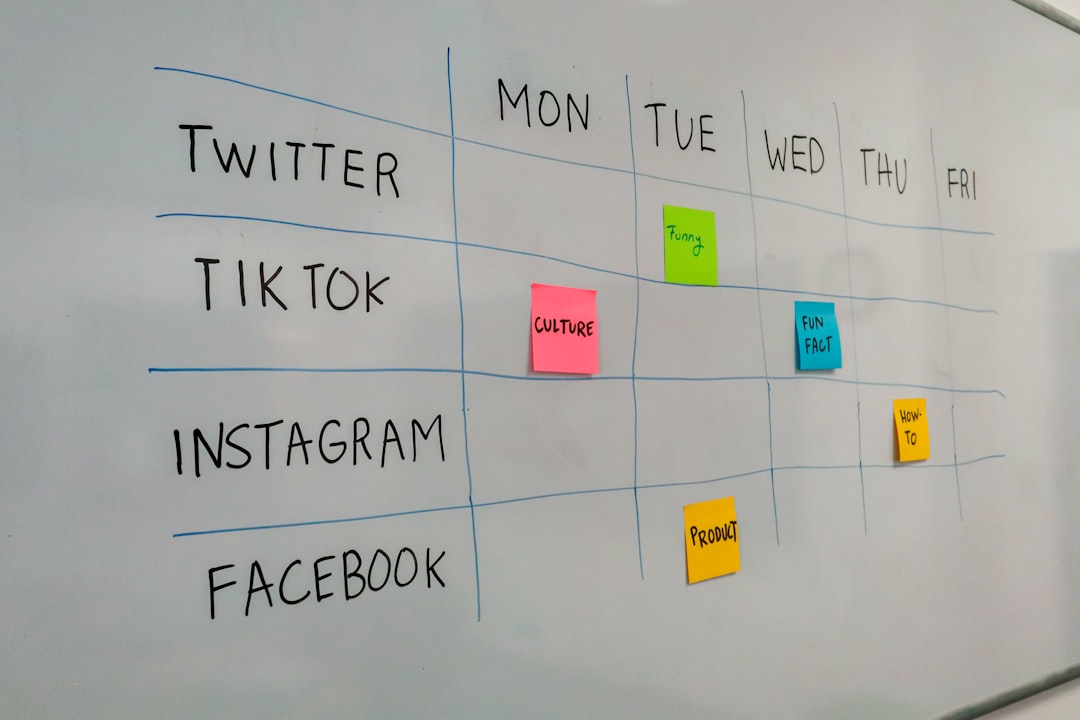
- Managing the editorial calendar
- Analyzing KPI metrics and adjusting strategies accordingly
- Overseeing content creation and branding efforts
- Collaborating with cross-functional teams like sales and customer support
- Leading and mentoring junior staff, including coordinators
Social media managers often have 3–7 years of experience and a strong understanding of marketing theory, platform algorithms, paid media strategies, and content analytics.

Main Differences Between Coordinator and Manager
While both roles center around handling a brand’s social presence, the differences lie in the scope of work, decision-making authority, and experience level required.
1. Strategic vs. Tactical
A social media manager is responsible for setting the strategy, while a coordinator handles the tactical execution. Managers plan campaigns, define goals, and set key performance indicators (KPIs), whereas coordinators carry out daily operations like composing captions, creating graphics, and scheduling posts.
2. Leadership and Collaboration
Managers often lead a team or work cross-functionally with departments such as PR, content marketing, and customer service. Social media coordinators are more likely to operate as members of those teams helping with specific tasks. Managers are often expected to present strategies to stakeholders and defend data-driven decisions.
3. Data and Reporting
Social media managers interpret and present data to inform future strategy. They create thorough analytics reports, analyze trends, and propose changes to social strategy based on that data.
By contrast, coordinators might pull initial metrics and provide insight into how specific posts performed, but they rarely make strategic decisions based solely on the data.
4. Required Skills and Experience
The skills expected of each role differ significantly:
- Coordinators need great communication skills, a firm grasp of social media trends, and proficiency in scheduling tools like Hootsuite, Buffer, or Sprout Social. A coordinator typically has 0–2 years of experience and may have a degree in communications, marketing, or journalism.
- Managers need leadership, analytical, and cross-departmental collaboration skills. Familiarity with paid ads, long-form content planning, influencer collaboration, and brand reputation management is also crucial. Most managers have 3+ years of experience and perhaps certifications or advanced training in digital marketing.
5. Salary Differences
Compensation reflects these differences in responsibility and expertise. According to industry surveys, as of 2024:
- Social Media Coordinator: $40,000–$55,000 a year (U.S. average)
- Social Media Manager: $60,000–$90,000 a year (U.S. average)
The manager role often includes bonus structures, profit-sharing options, and greater upside potential depending on campaign success.
Which Role is Right for You?
Career progression in social media often begins with the coordinator role. For individuals just entering the field, starting as a coordinator offers valuable hands-on experience across platforms.
Those with more experience, especially in managing content calendars, teams, budgets, or analytics reports, may be best suited for a managerial role. If your passion lies in leading teams, forming long-term strategies, and overseeing brand voice consistency across all channels — the manager role may be a perfect fit.
Some companies conflate these roles into one due to budget constraints or team size, so it’s important to review job descriptions carefully when applying.
Career Growth: From Coordinator to Manager
Many social media professionals naturally transition from coordinator to manager as they gain confidence, skills, and cross-functional experience. Typical steps in this progression include:
- Gaining proficiency in analytics tools like Google Analytics, Meta Business Suite, or HubSpot
- Leading mini-projects or campaigns to demonstrate initiative
- Taking courses or certifications (e.g., from HubSpot Academy, Google, Hootsuite)
- Contributing to strategy meetings and voicing performance insights
With consistent progress, coordinators can climb up to roles like Senior Social Media Manager, Digital Marketing Manager, or even Director of Social Media.
Conclusion
While both social media coordinators and managers are critical to a company’s digital success, their roles differ substantially in terms of responsibility, experience, and strategic involvement. Both paths offer exciting opportunities, but understanding the differences can help professionals and organizations make informed decisions about hiring and career development.
FAQs
- Q: Can a social media coordinator become a manager?
A: Yes, many coordinators transition into managerial roles after gaining experience, learning strategic processes, and demonstrating leadership potential. - Q: Do managers still schedule posts and reply to comments?
A: Occasionally, especially in smaller teams. However, these tasks are usually handled by coordinators or assistants while managers prioritize strategy and high-level reporting. - Q: Is certification required for either role?
A: Not always required, but certifications in digital marketing or platform-specific tools can enhance credibility and career advancement opportunities. - Q: Who handles influencer partnerships?
A: Often, the social media manager oversees influencer relationships, although coordinators may assist with communication and logistics. - Q: What’s the typical team structure involving these roles?
A: A manager may lead a team of coordinators, content creators, and community managers, depending on the organization’s size and goals.