
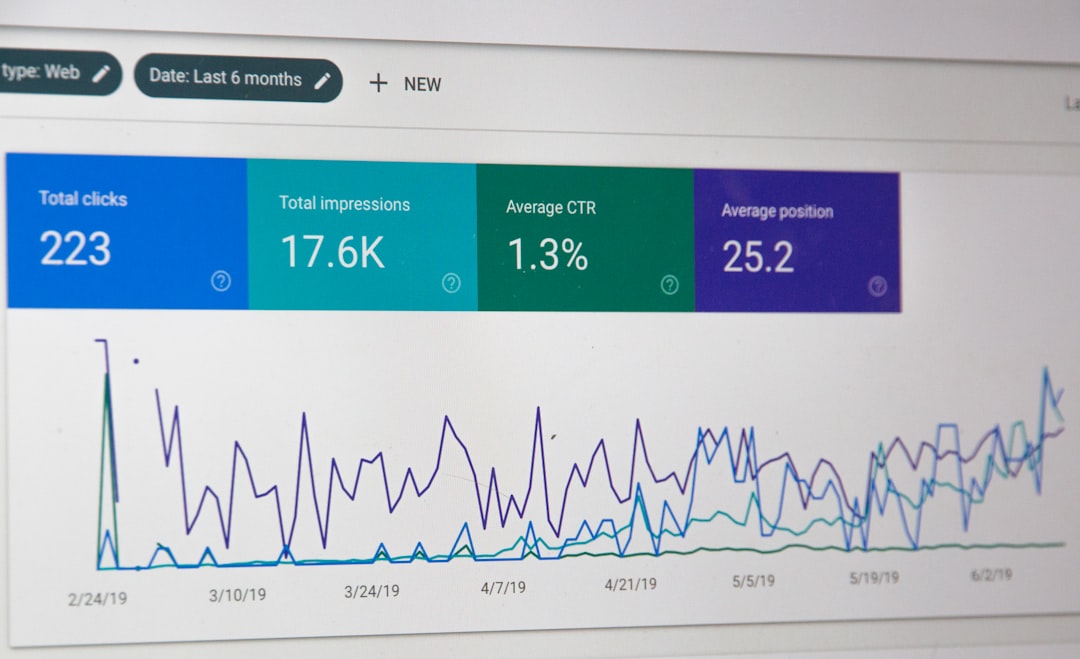
Search engine results pages (SERPs) are no longer just a list of ten blue links. They are dynamic, personalized, and packed with ads, featured snippets, local packs, videos, shopping listings, and more. For developers building SEO tools and marketers tracking performance, accessing this data at scale requires more than manual searches. That’s where SERP Data APIs come in—powerful interfaces that deliver structured, real-time search engine data directly into applications and dashboards.
TLDR: SERP Data APIs allow developers and marketers to programmatically collect structured search engine results at scale. They power keyword tracking, competitor analysis, ad research, and SEO monitoring tools. Leading solutions differ in speed, pricing, global coverage, and data depth, so choosing the right one depends on your technical and business needs. Investing in the right API can dramatically improve automation, insights, and competitive intelligence.
What Are SERP Data APIs?
A SERP Data API is an interface that enables applications to retrieve search engine results programmatically. Instead of manually entering queries into Google, Bing, Yahoo, or other search engines, a developer sends a request to the API and receives structured data in formats like JSON or XML.
This structured response can include:
- Organic search results
- Paid advertisements
- Featured snippets
- Knowledge panels
- Local map packs
- Shopping results
- People also ask sections
- Image and video blocks
For marketers, this means fast access to ranking positions and competitor visibility. For developers, this means building scalable SEO tools without worrying about proxies, CAPTCHAs, and scraping infrastructure.
Why Developers and Marketers Need SERP APIs
1. Rank Tracking at Scale
Manually tracking hundreds or thousands of keywords across different devices and locations is impossible. SERP APIs automate this process, enabling:
- Daily or hourly rank tracking
- Device-based monitoring (desktop vs mobile)
- Geo-targeted results by country, region, or city
2. Competitor Intelligence
Understanding who ranks for your target keywords is vital. APIs allow marketers to analyze competitive positioning, uncover new rivals, and spot ranking fluctuations before they become business issues.
3. Paid Advertising Insights
SERP APIs provide visibility into search ads, showing:
- Ad copy variations
- Landing pages
- Ad positions
- Estimated competition trends
This information fuels stronger PPC strategies and ad copy optimization.
4. SEO Tool Development
Many popular SEO platforms rely on SERP APIs as their infrastructure backbone. Whether building a niche rank tracker or a full-featured marketing suite, APIs remove the need to maintain large, complex scraping systems.
Key Features to Look for in a SERP Data API
Not all SERP APIs are created equal. Developers and marketers should consider the following features when evaluating solutions:
Accuracy and Freshness
Search results change frequently. A quality API should provide:
- Real-time or near-real-time data
- High success request rates
- Minimal latency
Global Coverage
International campaigns require localized results. Make sure the API supports:
- Multiple countries
- City-level targeting
- Language-specific queries
Device Targeting
Mobile results can differ significantly from desktop. Advanced APIs let users specify device type to get accurate rankings.
Structured Data Output
Clean, well-documented JSON responses save developers time. Look for detailed fields like:
- Position metadata
- URL and title tags
- Snippet descriptions
- SERP feature indicators
Scalability and Rate Limits
High-volume users need APIs capable of handling thousands or millions of requests per month without delays.

Top SERP Data API Solutions
Below are some of the top SERP API solutions widely used by developers and digital marketers.
1. SerpAPI
SerpAPI is known for its reliability and ease of integration. It provides structured data from multiple search engines and offers strong documentation.
Highlights:
- Real-time Google search results
- Support for multiple engines beyond Google
- Structured JSON output
- Global geo-targeting
It’s popular among startups and SaaS builders due to its simplicity and flexibility.
2. Zenserp
Zenserp focuses on scalability and global coverage. It supports both organic and paid search results and offers location-based targeting.
Highlights:
- City-level targeting
- Mobile and desktop results
- SERP feature extraction
This solution works well for agencies managing multiple campaigns across different regions.
3. DataForSEO
DataForSEO provides a wide array of SEO data endpoints, including SERP APIs, keyword data, backlinks, and more.
Highlights:
- Pay-as-you-go pricing
- Extensive documentation
- Bulk data processing
- Historical SERP data
Its flexibility makes it appealing to developers building advanced SEO analytics platforms.
4. Bright Data SERP API
Bright Data offers enterprise-grade SERP data solutions with large-scale scraping infrastructure handled on the backend.
Highlights:
- Highly robust infrastructure
- Customizable data collection
- High-volume support
This solution is often chosen by companies requiring large-scale, global data extraction.
5. Apify SERP Solutions
Apify provides customizable scraping tools and APIs that can extract SERP data from multiple engines.
Highlights:
- Custom workflows
- Automation-friendly
- Developer-centric flexibility
It’s especially useful for teams with technical expertise who want granular control.

How Marketers Use SERP APIs in Practice
Automated SEO Reporting
Agencies regularly pull ranking data into custom dashboards for clients. Automated reports increase transparency and save hours of manual work.
Feature Snippet Monitoring
Marketers track when competitors win or lose featured snippets. Losing a snippet can significantly reduce click-through rates.
Local SEO Optimization
Local businesses depend on map packs and regional rankings. APIs with geo-targeting help brands optimize for specific cities or districts.
Content Gap Analysis
By analyzing competitor rankings for certain keywords, marketers identify opportunities to create improved content.
How Developers Integrate SERP APIs
From a technical standpoint, integration is typically straightforward:
- Sign up for an API key.
- Send HTTP requests with parameters like keyword, device, and location.
- Parse JSON response data.
- Store results in a database.
- Display in dashboards or feed into analytics algorithms.
Best practices include caching results to reduce costs, managing rate limits efficiently, and handling transient errors gracefully.
Pricing Considerations
SERP API pricing usually depends on:
- Number of requests per month
- Real-time vs batch processing
- Advanced features like historical data
- Enterprise-level SLAs
Smaller businesses may prefer pay-as-you-go models, while enterprises often negotiate custom plans for scale and performance guarantees.
Challenges and Limitations
Despite their benefits, SERP APIs present some challenges:
- Cost at scale: High-volume tracking can become expensive.
- Search engine changes: Frequent algorithm and layout updates may affect data consistency.
- Compliance considerations: Providers must handle legal and ethical scraping issues properly.
Choosing a reputable provider mitigates many of these risks.
The Future of SERP Data APIs
As search engines integrate AI-generated summaries and conversational results, SERP APIs will evolve to extract these new data formats. We’re already seeing changes in:
- AI overviews and generative responses
- Voice search results
- Hyper-personalized SERPs
Developers and marketers who embrace adaptable API solutions will be better positioned to analyze these new search environments.
Conclusion
SERP Data APIs have become essential infrastructure for modern SEO and digital marketing efforts. They empower developers to build powerful tools and enable marketers to make data-driven decisions with precision and speed. From tracking competitive keywords to monitoring ad placements across multiple regions, these APIs unlock insights that would otherwise require enormous manual effort.
Whether you’re a startup building your first SEO application or a multinational enterprise analyzing millions of keywords, choosing the right SERP API can define your strategy’s success. By focusing on reliability, scalability, structured output, and global targeting, you can harness search intelligence to stay ahead in an increasingly competitive digital landscape.