
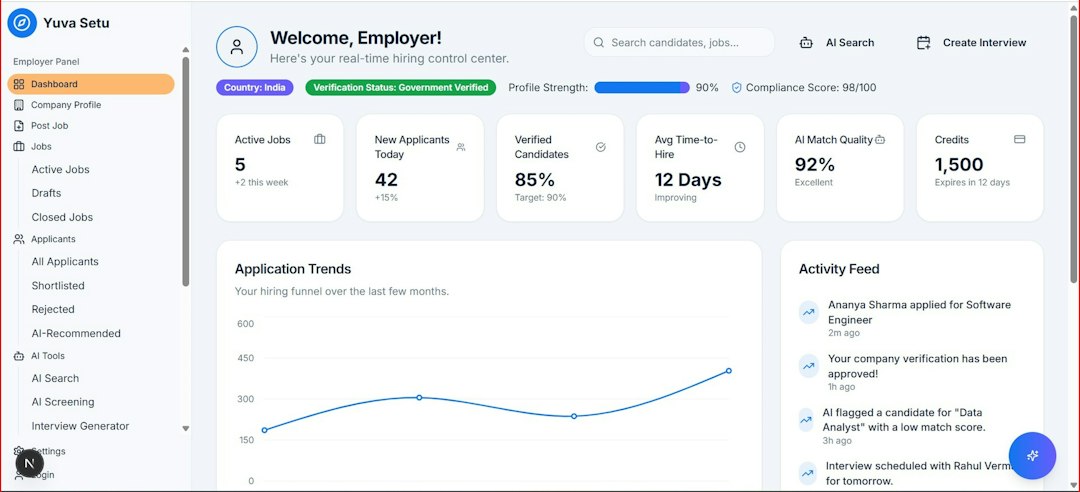
Clay is the stronger choice for data-rich prospecting, while Instantly is the cleaner pick for high-volume cold email sending. A sales team that needs accurate enrichment, account research, and custom triggers will usually get more from Clay. A team that already has lists and wants fast inbox setup, warmup, sequencing, and reply handling will usually prefer Instantly.
TLDR: Clay works best as an outbound research and data automation engine; Instantly works best as a cold email sending and campaign management platform. For example, a five-person agency could use Clay to build a list of 3,000 SaaS founders, enrich 78% of missing emails, and score accounts before pushing the best 900 leads into Instantly. This setup can cut manual list work by 10 to 15 hours per week, but it still needs clean messaging and strong deliverability rules.
Outbound marketing has shifted from “send more emails” to “send better emails to the right people.” That sounds obvious, but plenty of tools still make simple work feel oddly painful. Honestly, it feels like some platforms forgot that sales teams hate clicking through six screens just to launch one campaign.
Clay and Instantly sit at the center of this shift, but they solve different problems. Clay finds, enriches, scores, and routes prospects. Instantly sends email campaigns, manages inboxes, tracks replies, and supports scale. The best choice depends on whether the bottleneck is data quality or email execution.

Clay: Best for Prospect Research and Enrichment
Clay is built for teams that treat outbound like an operations system. It combines spreadsheets, data providers, AI prompts, enrichment workflows, and integrations in one workspace. Users can pull company data, find decision makers, enrich emails, check job posts, scan websites, and create custom messages from research signals.
Its strongest use cases include:
- Lead enrichment: finding emails, LinkedIn profiles, company size, funding data, tools used, and hiring signals.
- Account scoring: ranking prospects by fit, intent, role, geography, or firmographic data.
- Personalized outreach inputs: generating snippets based on recent news, job posts, website copy, or tech stack.
- Workflow routing: sending selected leads to CRMs, sequencers, Slack, or Google Sheets.
Clay’s big advantage is flexibility. A growth team can build a workflow that finds newly funded logistics startups, identifies the VP of Operations, checks whether the company uses HubSpot, and writes a first-line email based on a hiring page. That is hard to recreate inside a basic email sequencer.
The downside is setup time. Clay can feel like a power tool without a safety guard. New users may spend days learning tables, credits, enrichment waterfalls, and provider logic. Expect to waste time on test runs if the team does not define the ideal customer profile before building workflows.
Instantly: Best for Cold Email Sending at Scale
Instantly focuses on cold email execution. It helps teams connect multiple inboxes, warm domains, create sequences, track replies, and manage campaigns. For agencies and outbound-heavy sales teams, this is often where the daily work happens.
Its main strengths include:
- Campaign sequencing: simple multi-step cold email flows.
- Inbox rotation: spreading sends across multiple accounts to protect sender reputation.
- Email warmup: improving basic domain readiness before campaigns start.
- Reply tracking: sorting interested replies from noise and bounces.
- Lead management: importing lists, tagging contacts, and monitoring campaign performance.
Instantly is easier to learn than Clay. A team with cleaned lead lists can set up campaigns quickly. It is useful for agencies that manage several client inboxes and need a central place to monitor sending activity.
But Instantly is not a deep research system. It can help with lead handling, but it does not replace advanced enrichment or complex account qualification. If a list is weak, Instantly will just send weak outreach faster. That is not a software problem. It is a pipeline problem.
Clay vs Instantly: The Practical Comparison
| Category | Clay | Instantly |
|---|---|---|
| Primary role | Prospect research, enrichment, workflow automation | Cold email sending, inbox management, sequencing |
| Best user | Revenue operations, growth teams, data-heavy sales teams | Agencies, SDR teams, founders sending outbound email |
| Learning curve | Moderate to high | Low to moderate |
| Personalization | Strong, especially with AI and data signals | Basic to moderate, depending on imported data |
| Weak spot | Can become complex and credit-heavy | Depends heavily on list quality and deliverability setup |
In many cases, the smartest choice is not Clay or Instantly. It is Clay plus Instantly. Clay builds the list and adds context. Instantly sends the campaigns and manages replies. This split is common because each tool stays closer to its core job.
Other Emerging Platforms Worth Watching
Several outbound tools now compete around the same idea: automate prospecting without turning outreach into spam. The strongest platforms tend to focus on one slice of the outbound process.
- Apollo: strong for contact data, prospect search, and basic sequencing. It suits teams that want an all-in-one system instead of stitching tools together.
- Smartlead: similar to Instantly in cold email sending, with strong inbox rotation and agency-friendly features.
- Reply.io: useful for multichannel outreach, including email, LinkedIn touchpoints, calls, and tasks.
- Outreach and Salesloft: better fit for larger sales teams that need governance, CRM depth, analytics, and manager controls.
- Amplemarket: combines prospecting, intent signals, email automation, and sales engagement in a more guided workflow.
- La Growth Machine: known for multichannel sequences across email and LinkedIn, often used by European growth teams.
The annoying part is overlap. Many tools claim to offer data, sending, AI writing, deliverability, and analytics. Yet the quality varies. A platform may have “AI personalization,” but it may still create bland lines like, “I noticed your company is doing great work.” That kind of message gets ignored.
How Teams Should Choose
The right tool depends on the current constraint. If the team lacks accurate leads, buying a sending tool will not fix the issue. If the team already has clean lists but campaigns are messy, Clay may be more than needed.
A practical selection framework looks like this:
- Start with the data problem. Are emails missing? Are titles wrong? Are accounts poorly matched?
- Check sending needs. How many inboxes, domains, campaigns, and clients must be managed?
- Review team skill. Clay rewards technical curiosity. Instantly rewards campaign discipline.
- Measure reply quality. Open rates are less useful than positive replies, booked calls, and pipeline created.
- Watch costs. Enrichment credits, email verification, inboxes, domains, and CRM tools can stack up fast.
For a small startup, a simple stack may be Apollo plus Instantly. For a data-driven agency, Clay plus Smartlead or Instantly may work better. For an enterprise sales team, Salesloft or Outreach may be required because approvals, reporting, and CRM controls matter more.
Common Mistakes in Automated Outreach
Automation makes bad habits spread faster. The most common mistake is sending too many generic emails. Another is trusting enriched data without verification. A third is ignoring domain health. If bounce rates pass 3% to 5%, campaigns can suffer quickly.
Good teams keep volume controlled. They test small batches. They use plain language. They remove poor-fit leads. They also track replies by quality, not vanity metrics. A campaign with a 1.5% positive reply rate from ideal buyers may beat a campaign with a 6% reply rate full of students, vendors, and job seekers.
Final Recommendation
Clay is best when the team needs smarter prospecting. Instantly is best when the team needs cleaner cold email execution. Together, they can form a strong outbound system, but only if the strategy is clear.
No platform can rescue a vague offer or a lazy list. The winning setup pairs strong targeting with useful messaging and careful sending limits. Tools speed up the work. They do not replace judgment.
FAQ
Is Clay better than Instantly?
Clay is better for enrichment, research, and prospect scoring. Instantly is better for cold email sending, inbox rotation, and campaign management.
Can Clay send cold emails?
Clay can connect with sending tools and CRMs, but it is not mainly built as a cold email sequencer. Most teams pair it with Instantly, Smartlead, Outreach, or similar tools.
Is Instantly good for beginners?
Yes. Instantly is easier to start with than Clay. Beginners still need proper domain setup, verified lists, and conservative sending limits.
What is the best Clay and Instantly workflow?
A common workflow is to find and enrich leads in Clay, verify emails, score accounts, export qualified prospects, and run email sequences in Instantly.
Which tool is better for agencies?
Instantly is often better for agency campaign management. Clay is better when the agency sells research-heavy outbound or builds custom lead lists for clients.
Do these tools guarantee booked meetings?
No. They improve speed and process quality, but meetings depend on targeting, offer strength, messaging, timing, and deliverability.