
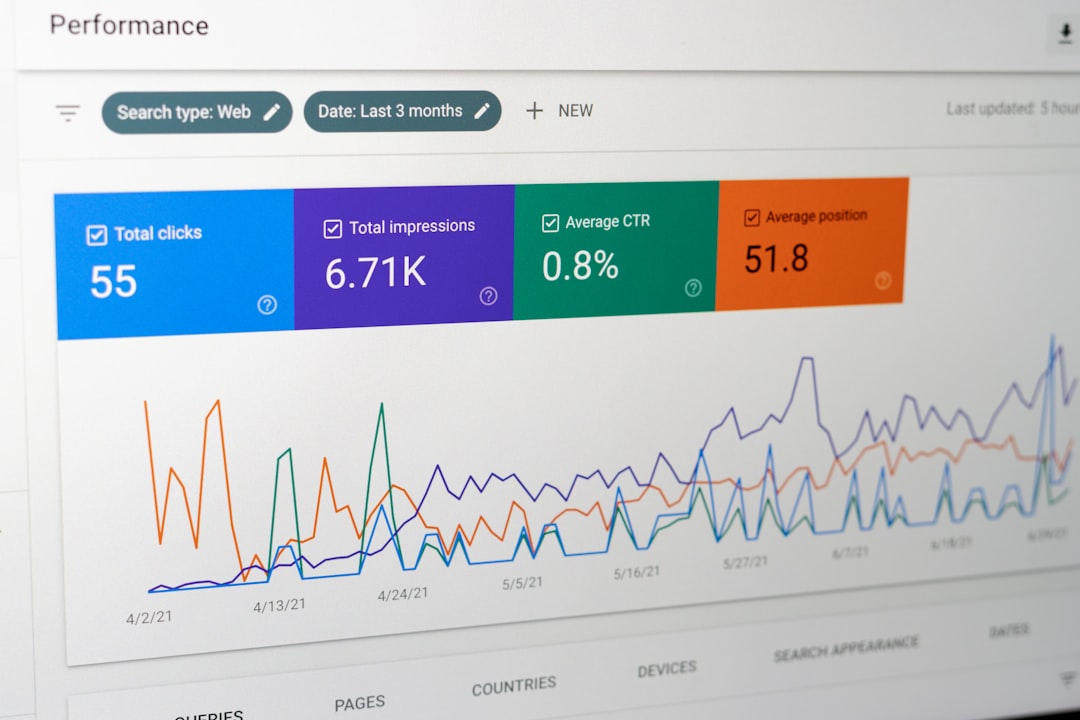
Business Intelligence (BI) and AI-powered search platforms have rapidly transformed how organizations collect, interpret, and leverage data. In an era defined by digital acceleration, companies no longer compete solely on products or services—they compete on insights. Modern BI and AI search tools empower decision-makers with real-time analytics, predictive modeling, conversational querying, and intelligent automation that go far beyond traditional reporting dashboards.
TLDR: The most influential BI and AI search platforms combine advanced analytics, machine learning, and intuitive interfaces to help businesses make faster, smarter decisions. Industry leaders such as Microsoft Power BI, Tableau, Google Looker, Qlik, and AI-driven enterprise search tools like Elastic and Glean are shaping the analytics landscape. Each platform offers distinct strengths in visualization, predictive modeling, scalability, and natural language search. Choosing the right solution depends on business size, data complexity, user expertise, and integration needs.
As organizations face massive volumes of structured and unstructured data, selecting the right BI and AI search platform can determine competitive success. Below is a comprehensive comparison of the most influential platforms shaping today’s analytics ecosystem.
The Evolution of Business Intelligence and AI Search
Traditional BI systems focused on historical reporting and static dashboards. Modern platforms now incorporate machine learning, natural language processing, and intelligent automation. AI-powered search capabilities allow users to type or speak questions in plain language and receive contextual insights instantly.
This shift reflects broader trends:
- Self-service analytics for non-technical users
- Augmented analytics using AI-driven recommendations
- Cloud-first infrastructure supporting scalability
- Embedded analytics integrated directly into applications
The following platforms stand out for their innovation, adoption, and influence.
1. Microsoft Power BI
Microsoft Power BI remains one of the most widely adopted BI platforms globally. Its seamless integration with the Microsoft ecosystem gives it a strong edge in enterprise environments.
Key Strengths:
- Deep integration with Excel, Azure, and Microsoft 365
- Robust data modeling capabilities
- AI-powered features like natural language queries (Q&A)
- Competitive pricing structure
Power BI’s AI capabilities allow users to generate insights using conversational prompts. Its automation features detect trends, anomalies, and outliers without requiring advanced statistical knowledge.
Best For: Organizations heavily invested in Microsoft infrastructure and businesses seeking cost-effective scalability.
2. Tableau
Recognized for its industry-leading data visualization tools, Tableau excels at transforming complex datasets into intuitive visual stories.
Key Strengths:
- Highly interactive dashboards
- Advanced visual analytics
- Strong community support
- Integration with CRM platforms
Tableau’s AI features, such as “Explain Data” and predictive modeling tools, enhance exploratory analysis by uncovering hidden drivers behind trends.
Best For: Data analysts and organizations that prioritize sophisticated visual storytelling and in-depth exploration.
3. Google Looker
Google Looker, built for cloud-native environments, focuses on unified data modeling and embedded analytics. Its tight integration with Google Cloud Platform strengthens its influence in cloud-first enterprises.
Key Strengths:
- Centralized semantic data modeling
- Strong API integrations
- Cloud-native scalability
- Embedded BI capabilities
Looker empowers businesses to create consistent definitions across departments, ensuring trust in metrics and governance.
Best For: Organizations leveraging cloud infrastructure and requiring scalable embedded analytics solutions.
4. Qlik
Qlik distinguishes itself through its associative data engine, allowing users to explore data relationships freely without predefined query paths.
Key Strengths:
- Associative analytics engine
- Strong AI augmentation
- Real-time data integration
- Flexible deployment options
Qlik’s AI-driven insight advisor suggests correlations and patterns, enabling guided analytics for business users.
Best For: Enterprises with complex data environments requiring flexible exploration.
5. Elastic (Elasticsearch)
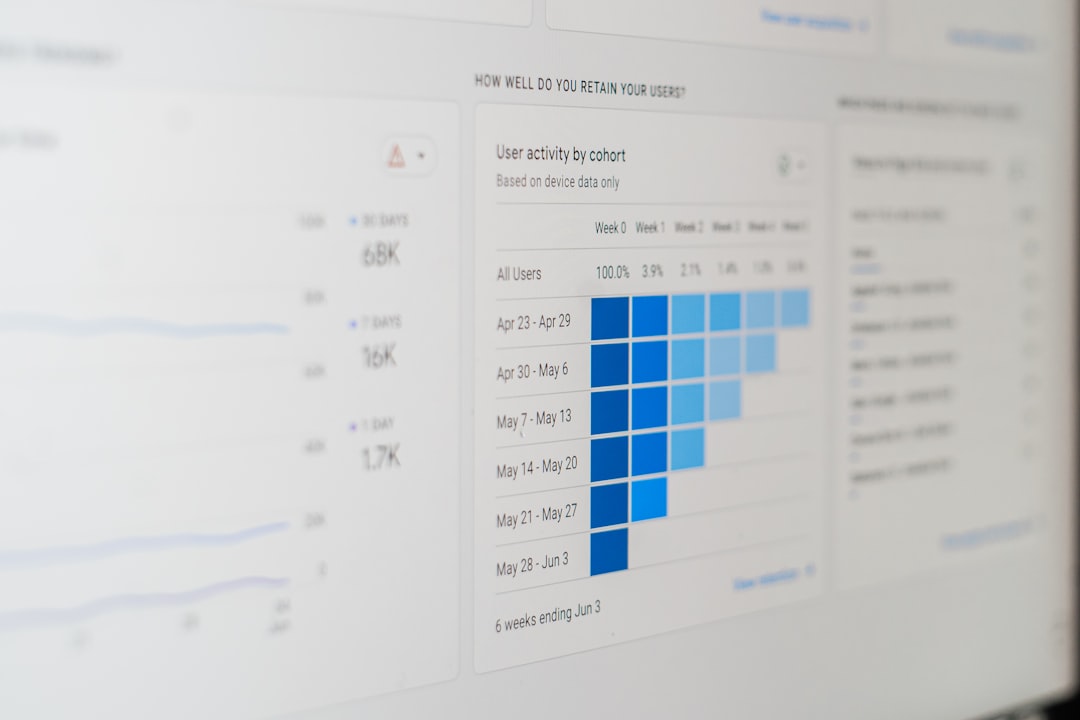
Moving beyond traditional BI, Elastic represents the AI-powered search segment of analytics platforms. Built on Elasticsearch, it specializes in searching and analyzing massive volumes of structured and unstructured data.
Key Strengths:
- High-speed full-text search
- Real-time log and event analytics
- AI-based relevance scoring
- Scalable cloud deployment
Elastic plays a crucial role in operational intelligence, cybersecurity monitoring, and observability data systems.
Best For: Organizations handling vast log, operational, or search-driven data environments.
6. Glean
Glean is an emerging force in AI enterprise search. It connects workplace applications and uses generative AI to deliver contextualized answers.
Key Strengths:
- AI-powered internal search
- Knowledge graph mapping
- Natural language response generation
- Strong security controls
Rather than dashboards, Glean focuses on surfacing relevant company knowledge instantly across emails, documents, tickets, and collaboration tools.
Best For: Knowledge-driven organizations seeking intelligent enterprise-wide information retrieval.
7. IBM Cognos with Watson
IBM integrates AI through Watson into its Cognos Analytics platform, enhancing predictive forecasting and automated insight generation.
Key Strengths:
- AI-driven forecasting models
- Advanced governance controls
- Natural language interface
- Enterprise-grade security
IBM Cognos emphasizes explainable AI, offering transparency in how insights are generated.
Best For: Highly regulated industries such as finance, healthcare, and government sectors.
Comparative Analysis: BI vs AI Search
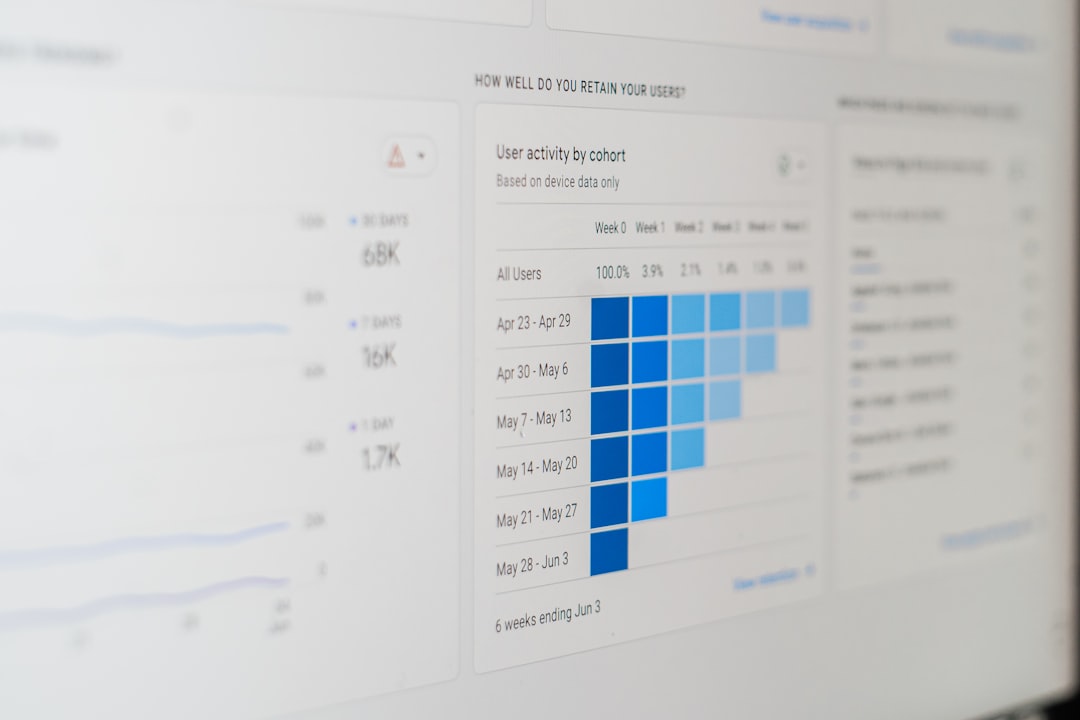
While BI platforms focus on structured data analysis and visualization, AI search platforms excel at handling unstructured data retrieval and contextual insights.
Key Differences:
- Purpose: BI emphasizes reporting and KPI tracking; AI search focuses on information retrieval and contextual answers.
- Data Types: BI handles structured datasets; AI search processes unstructured and mixed data sources.
- User Interaction: BI platforms rely on dashboards; AI search offers conversational interfaces.
- Speed of Insight: AI search reduces navigation steps through NLP-based queries.
Many enterprises now deploy hybrid solutions combining both BI dashboards and AI-powered search for comprehensive intelligence.
Factors to Consider When Choosing a Platform
Selecting the right solution depends on multiple organizational factors:
- Company Size: Larger enterprises may require advanced governance and scalability.
- Data Complexity: Organizations with unstructured datasets benefit from AI search tools.
- User Skill Level: Platforms with intuitive interfaces support non-technical staff.
- Integration Needs: Compatibility with existing technology stacks is critical.
- Security Requirements: Sensitive industries need enterprise-grade compliance.
Strategic alignment with long-term digital goals should drive investment decisions.
Future Trends in BI and AI Search
The convergence of BI and AI search is accelerating. Emerging trends include:
- Generative AI integration into dashboards and analytics workflows
- Automated data storytelling for executive summaries
- Voice-enabled BI interfaces
- Decentralized analytics via data mesh architectures
As generative AI models mature, users will increasingly receive proactive insights rather than reactive reports.
Conclusion
The most influential Business Intelligence and AI search platforms are transforming how organizations understand data. Microsoft Power BI and Tableau dominate visualization-driven analytics. Google Looker empowers cloud-native enterprises. Qlik enhances associative exploration. Elastic and Glean redefine search-driven intelligence. IBM Cognos integrates explainable AI forecasting for regulated sectors.
There is no universal solution. The optimal platform depends on strategic objectives, technical maturity, and data governance requirements. As BI and AI search ecosystems increasingly converge, forward-thinking organizations will leverage hybrid strategies to maximize competitive advantage.
Frequently Asked Questions (FAQ)
1. What is the difference between Business Intelligence and AI search platforms?
Business Intelligence platforms focus on structured data reporting, dashboards, and KPIs. AI search platforms specialize in retrieving and contextualizing information from both structured and unstructured data using natural language processing.
2. Which platform is best for small businesses?
Platforms like Microsoft Power BI are often suitable for small to mid-sized businesses due to cost efficiency and ease of integration.
3. Are AI search tools replacing traditional BI?
No. AI search complements BI by improving data accessibility. Many organizations combine both for comprehensive insight generation.
4. What role does generative AI play in BI platforms?
Generative AI assists in automated report creation, natural language querying, predictive analytics, and insight summarization.
5. How important is cloud integration when selecting a platform?
Cloud integration is critical for scalability, accessibility, and real-time collaboration, particularly for global or remote teams.
6. Can these platforms integrate with existing enterprise software?
Most leading platforms offer robust API integrations and connectors to CRM, ERP, and other enterprise systems.
7. What industries benefit most from AI-enhanced BI?
Industries such as finance, healthcare, retail, technology, and manufacturing gain significant advantages from AI-driven analytics and intelligent search capabilities.