

Recovering links you already earned is often the fastest way to regain authority, referral traffic, and rankings without creating new content. Start with lost backlinks, then convert unlinked brand mentions, then review pages that already send qualified visitors. This order keeps effort tied to measurable value.
TLDR: Link reclamation means finding links that disappeared, brand mentions that never linked, and referral sources that should be sending more traffic. A practical example: a B2B software company found 42 lost backlinks, recovered 18, and saw referral sessions rise by 14% over six weeks. The work is not glamorous, but it is usually cheaper than cold outreach. Prioritize high authority pages, relevant sites, and pages that once ranked or converted well.
What Link Reclamation Really Covers
Link reclamation is the process of recovering or creating value from web references that already exist. You are not asking strangers for favors from scratch. You are fixing broken paths, updating outdated references, and turning plain text mentions into working links.
There are three main categories:
- Lost backlinks: Links that used to point to your site but no longer do.
- Unlinked mentions: Brand, product, executive, or research mentions without a clickable link.
- Referral opportunities: Sites that mention your market, cite competitors, or send some traffic but could send more.
This matters because links decay. Pages get redesigned. Writers update old articles. CMS migrations break URLs. Editors remove resources that look outdated. It drives me crazy that a single site migration can wipe out years of earned links in an afternoon.
Step 1: Identify Lost Backlinks
Use a backlink platform such as Ahrefs, Semrush, Majestic, Moz, or Google Search Console to export recently lost links. Compare the current month with the previous 60 to 180 days. Do not chase every missing link. That wastes time.
Sort lost links by:
- Referring page quality: Is the page indexed, relevant, and real?
- Link type: Editorial links are worth more than footer or directory links.
- Traffic potential: Did the page send visitors before?
- Target URL value: Did the linked page rank, convert, or support sales?
- Reason for loss: Was the page deleted, redirected, rewritten, or changed?
Expect to waste time on messy exports. Some tools mark a link as “lost” when the page simply timed out during a crawl. Check the live page before contacting anyone. A manual review can save you from sending an awkward email about a link that still exists.
Common Reasons Links Disappear
Most lost backlinks fall into a few patterns. Each needs a different response.
- Your page returns a 404: Restore the page or redirect it to the closest relevant URL.
- The linking page was updated: Ask the editor to add the reference back if it still supports the article.
- The link changed to a competitor: Improve your page before asking for reconsideration.
- The page was deleted: Move on unless the site has a replacement article.
- Your content looks old: Refresh statistics, screenshots, pricing, and examples.
If your own broken URL caused the loss, fix that first. Outreach cannot solve poor maintenance. A clean redirect map is often the quickest win.
Step 2: Recover the Link With a Clear Request
Your email should be short, specific, and useful. Editors are busy. Do not send a generic plea for “SEO value.” Explain the issue and make the fix easy.
Example outreach email:
Subject: Quick update for your resource page
Hi [Name], I noticed your article on [topic] previously referenced our guide on [subject]. The URL changed during a site update, so the old link may now lead to a dead page. The current version is here: [URL]. If it still fits your article, would you consider updating the link? Either way, thanks for including the resource.
This tone works because it respects the editor. It also gives a legitimate reason for the request.
Step 3: Find Unlinked Mentions
Unlinked mentions are often the cleanest link wins. The site already knows you. It may have cited your company, quoted your research, listed your product, or named your founder.
Search for mentions of:
- Your brand name, including common misspellings.
- Product names and former product names.
- Executive names and subject matter experts.
- Original reports, surveys, tools, and statistics.
- Campaign slogans or proprietary terms.
Use Google search operators, media monitoring tools, and backlink software. Examples include “Brand Name” -site:yourdomain.com or “CEO Name” “Company”. Review results manually. Some mentions are low quality, scraped, or irrelevant.
How to Ask for a Link From an Unlinked Mention
The request should feel like a helpful correction, not a demand. Make the link useful for the reader.
Use this structure:
- Thank them for the mention.
- Point to the exact page and sentence.
- Suggest the most relevant URL.
- Explain why the link helps readers verify or continue reading.
- Keep the message under 120 words.
A good reason beats a pushy tone. For example, if a journalist cites your survey, ask them to link to the full methodology. That supports credibility. If a blog mentions your software, suggest the product page or a neutral case study, not always the homepage.
Step 4: Turn Referral Traffic Into Better Opportunities
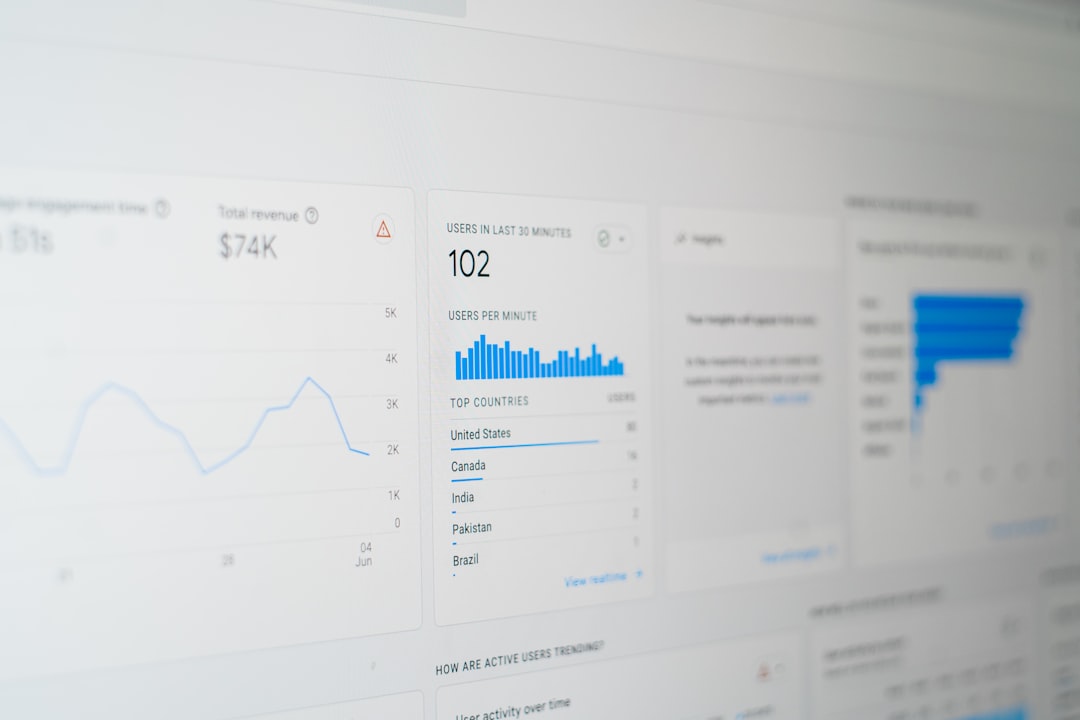
Referral data shows which sites already send visitors. Check Google Analytics 4, server logs, and CRM attribution. Look for referring domains with above-average engagement or conversion rates.
Focus on metrics such as:
- Sessions: Is the site sending enough traffic to matter?
- Engagement rate: Are visitors reading or bouncing?
- Conversions: Do users sign up, book calls, or purchase?
- Assisted conversions: Does the referral help earlier in the buyer journey?
A referral source with only 80 visits per month can be valuable if it creates five sales calls. Raw traffic is not the point. Qualified traffic is.
Where Valuable Referral Opportunities Hide
Some opportunities will not appear as lost links or brand mentions. You need to review related pages in your market.
- Competitor comparison articles: Ask to be added if your product fits.
- Resource pages: Offer a better guide, calculator, or template.
- Old roundups: Suggest an updated description or new feature.
- Podcast show notes: Request links to guest bios, reports, or tools.
- Association pages: Check member profiles, sponsor pages, and event recaps.
Do not treat every site equally. A small industry newsletter may be more valuable than a broad blog with weak intent. Relevance beats vanity metrics.
Quality Controls Before Outreach
Reclamation should not become spam. Before you contact a site, review the page and ask three questions.
- Would this link help the reader?
- Is the suggested URL current and accurate?
- Does the site look trustworthy?
Avoid sites filled with AI spam, malware warnings, copied content, or paid-link footprints. Recovering a bad link is not a win. It can damage trust and dilute reporting.
Measure Results Without Guesswork
Track every opportunity in a simple sheet or CRM. Include the domain, page URL, contact, link type, status, value score, outreach date, and result. Add notes when someone replies. This prevents repeated emails and keeps the process accountable.
Useful performance indicators include:
- Number of lost links reviewed.
- Percentage of valid recovery targets.
- Links restored.
- Unlinked mentions converted.
- Referral sessions gained.
- Conversions from reclaimed or improved referrals.
A realistic campaign might review 300 mentions, qualify 70, contact 45 site owners, and win 12 to 20 links. Results vary by brand strength, content quality, and industry. Known brands usually convert at a higher rate.
Build a Monthly Reclamation Routine
Set a fixed schedule. Monthly is enough for most teams. Larger websites may need weekly checks during migrations, PR campaigns, or product launches.
- Week 1: Export lost backlinks and check broken target URLs.
- Week 2: Search for unlinked mentions and qualify prospects.
- Week 3: Review referral traffic and competitor citations.
- Week 4: Send outreach, update redirects, and report wins.
The best teams make link reclamation boring and consistent. They keep URLs stable, refresh valuable content, monitor mentions, and respond quickly when links break. That discipline protects authority you have already earned and turns existing attention into measurable business value.