Walk through any big city. Feel the rhythm. Hear the sounds. Smell the food. Cities are more than buildings. They are living stories. These stories shape how people choose homes and how communities grow.
TLDR: Urban culture shapes what people want from homes and neighborhoods. Music, food, art, and lifestyle trends drive demand for certain areas. Developers respond by creating spaces that match these vibes. When culture and design connect, communities thrive.
What Is Urban Culture?
Urban culture is the shared lifestyle of a city. It includes habits. It includes values. It includes art, food, and fashion. It also includes how people move and meet.
Think street art. Think night markets. Think bike lanes and coffee shops. These small things create a big feeling.
That feeling matters. A lot.
People do not just buy homes. They buy into a lifestyle.
Why Culture Drives Real Estate Demand
People want to live where life feels good. Simple as that.
A lively culture signals opportunity. It suggests jobs. It promises fun. It offers connection.
- Young workers look for buzz.
- Families look for safety and parks.
- Artists look for freedom and low costs.
When a neighborhood offers these things, demand rises. Prices often follow.
Culture can turn overlooked areas into hot spots.
This process has a name. It is called gentrification. It is complex. It brings good and bad.
But the core idea is clear. Culture attracts people. People attract investment.
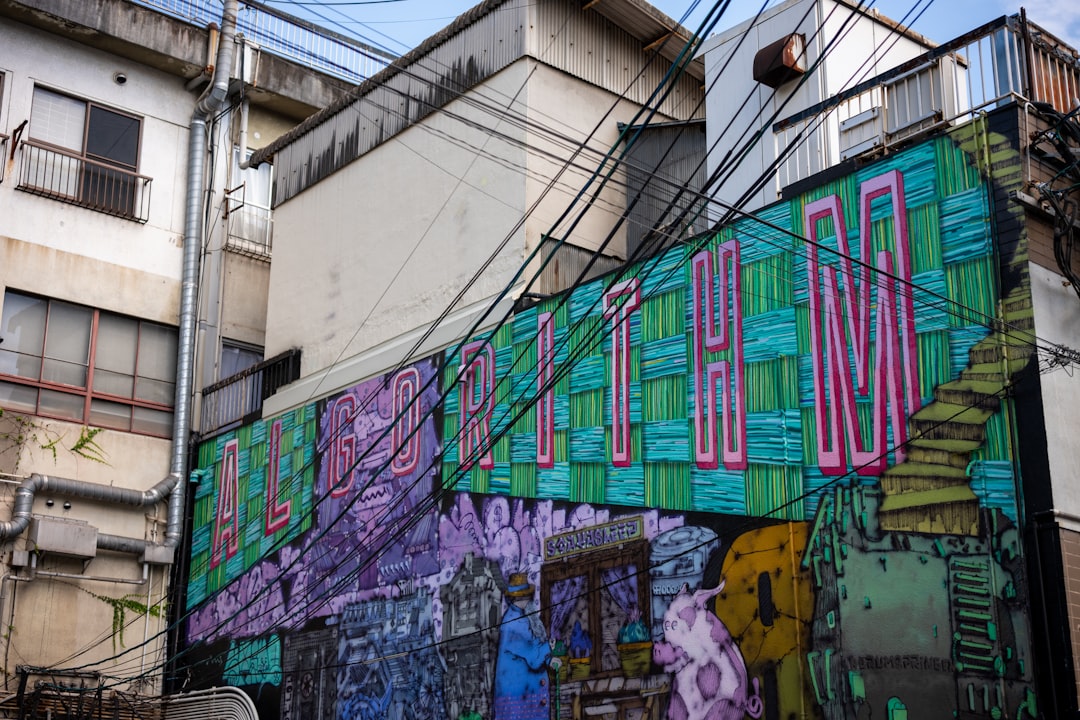
Food, Music, And Nightlife Matter
Food is powerful. Music is powerful too.
A street with good restaurants feels alive. A city with live music feels young.
These experiences drive foot traffic. They create social energy. That energy raises property interest.
Developers notice this fast.
They place apartments above cafes. They build near music venues. They market the vibe.
Live where the action is. That idea sells.
Work Culture Is Changing Cities
Work has changed. Offices are not the only goal now.
Remote work is common. Flexible hours are normal.
This shift changes real estate demand.
- People want home offices.
- They want fast internet.
- They want shared work spaces nearby.
Urban culture adapts. Old warehouses become coworking hubs. Cafes become meeting spots.
Community design follows. Buildings add shared lounges. Streets add seating and shade.
Work blends into life.
Walkability And Transit Shape Choices
Cars are not king in many cities anymore.
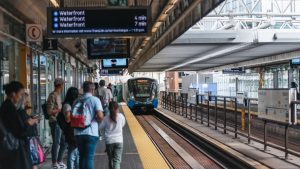
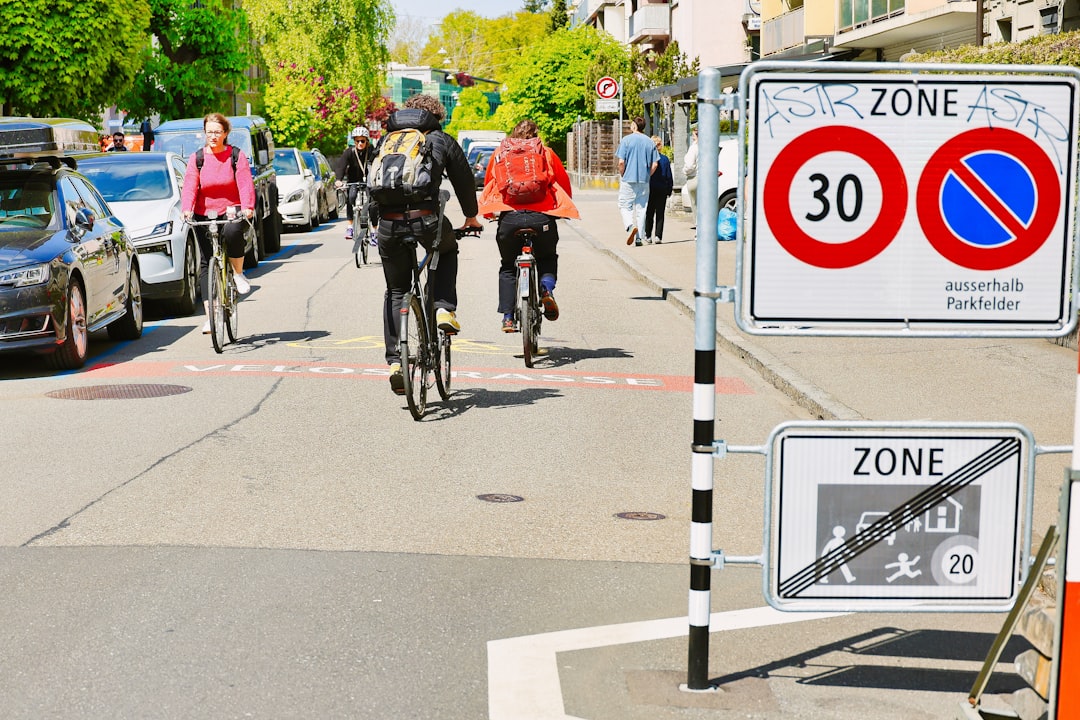
People like to walk. They like bikes. They like trains.
Urban culture favors movement without stress.
Neighborhoods with good transit see higher demand. Walkable streets feel friendly. They feel human.
- Short blocks encourage walking.
- Bike lanes attract active residents.
- Transit hubs raise land value.
Design responds to these habits.
Parking spaces shrink. Sidewalks grow. Life moves outside.
Art And Identity Shape Community Design
Art gives places a soul.
Murals tell stories. Sculptures mark spaces. Local design builds pride.
Communities with strong identity feel special. People pay attention.
Developers now work with artists. They add public art. They preserve historic details.
This is not just decoration. It is strategy.
A unique look sets a neighborhood apart.
Generic places are forgettable. Distinct places are desirable.
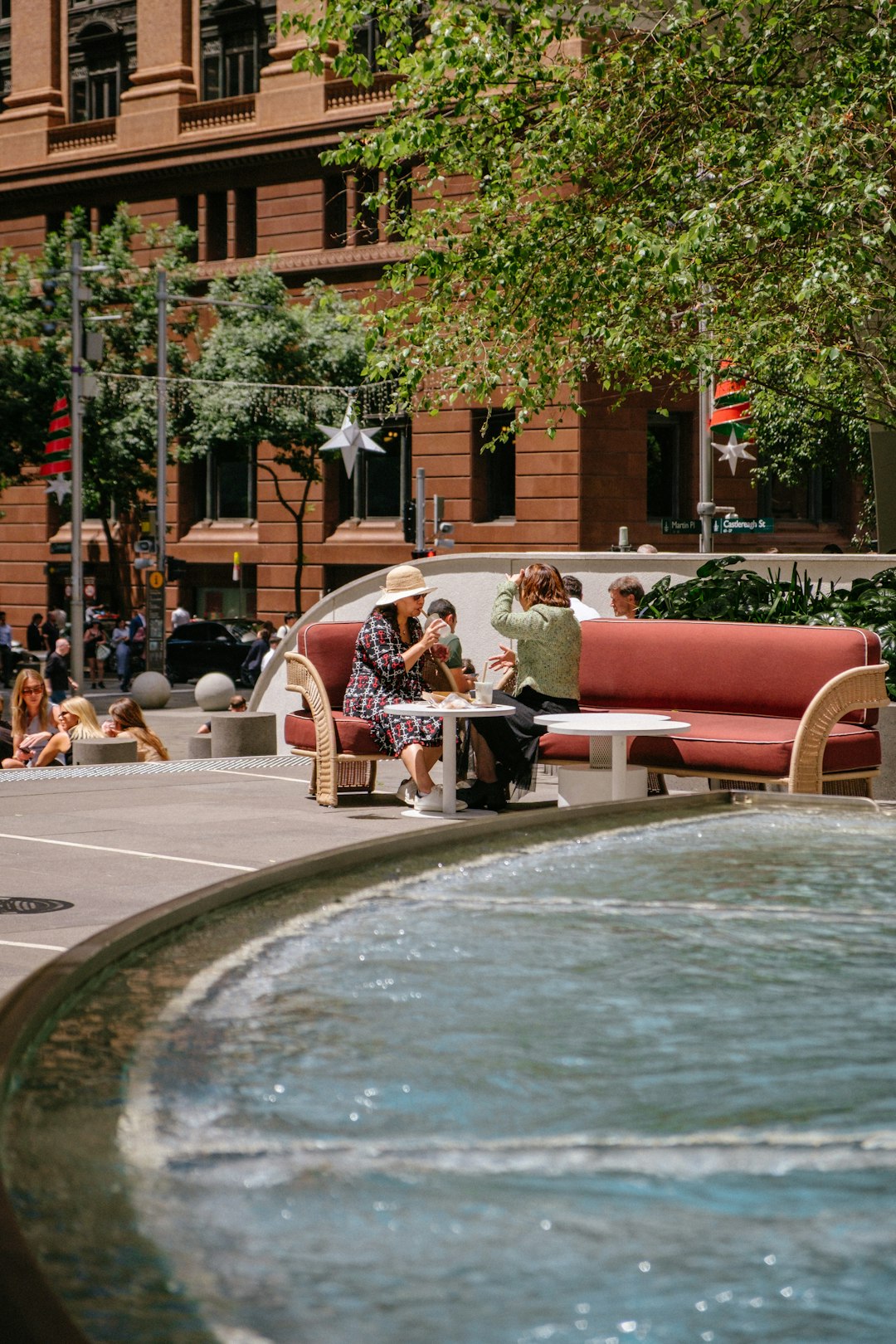
Public Spaces Bring People Together
Parks. Plazas. Rooftops.
Urban culture values shared space.
People want to meet neighbors. They want events. They want green.
Great public spaces boost real estate nearby.
- Parks raise home values.
- Plazas support local shops.
- Community centers build trust.
Designers now plan from the outside in.
They ask how people gather. Then they build around that.
Sustainability Is Part Of The Culture
Green living is not a trend. It is a value.
Many city dwellers care about the planet.
This shapes demand.
Homes with solar panels attract buyers. Buildings with green roofs stand out.
- Energy efficient systems save money.
- Recycling areas show responsibility.
- Green spaces improve health.
Urban culture pushes for cleaner design.
Real estate follows.
Safety, Inclusion, And Belonging
Culture also includes values.
People want to feel safe. They want to feel welcome.
Inclusive communities attract more residents.
Design plays a big role here.
Good lighting improves safety. Open layouts improve visibility. Mixed use areas keep streets active.
When people see others like them, they stay.
Belonging adds value no price tag can measure.
The Role Of Technology In Urban Life
Apps guide daily life. Smart tech shapes cities.
Urban culture embraces convenience.
Smart buildings attract renters. Digital access controls feel modern.
- Package lockers support online shopping.
- Smart thermostats save energy.
- Community apps connect neighbors.
Technology supports culture. Culture boosts demand.
Community Design Is A Two Way Street
Culture shapes design. Design shapes culture too.
When done well, they feed each other.
Bad design can kill a vibe. Good design can create one.
This is why listening matters.
Developers now study local voices. Cities hold public meetings. Residents share ideas.
Communities grow stronger when people feel heard.
What This Means For The Future
Cities will keep changing. Culture will lead the way.
Real estate demand will follow lifestyle choices.
Communities that embrace local culture will stand out.
Those that ignore it may struggle.
The future city is human. It is flexible. It is full of energy.
And it all starts with culture.