Trackable QR codes have become a practical bridge between physical brand experiences and digital customer data. When a customer scans a code on packaging, a poster, a receipt, an event badge, or a product display, the brand gains an opportunity to understand what captured attention, where engagement happened, and what action followed. Instead of treating offline marketing as difficult to measure, brands can use QR codes to connect real-world interactions with measurable digital behavior.
TLDR: Brands use trackable QR codes to measure customer engagement by monitoring scans, locations, devices, times, campaigns, and follow-up actions. These insights help marketing teams understand which offline materials drive digital behavior, such as website visits, sign-ups, purchases, reviews, or app downloads. By using dynamic QR codes, brands can update destinations, compare campaign performance, and improve customer experiences based on real data.
Why Trackable QR Codes Matter for Modern Brands
For many years, brands invested heavily in print ads, packaging, trade show materials, and in-store signage without knowing exactly how customers responded. A shopper might notice a product label, a commuter might see a transit ad, or an event attendee might pick up a brochure, but the brand often had limited proof of engagement. Trackable QR codes solve part of that problem by turning a simple scan into a measurable interaction.
Unlike a standard static QR code, a trackable QR code is usually connected to a short redirect URL or analytics platform. When a person scans it, the platform records useful engagement data before sending the user to the intended destination. This allows the brand to see not just that someone interacted, but also when, where, and how that interaction occurred.
For brands, this creates a more complete view of the customer journey. A campaign no longer has to end at a printed message. It can continue through a landing page, video, loyalty offer, survey, product guide, coupon, or checkout page.

What Brands Can Measure with Trackable QR Codes
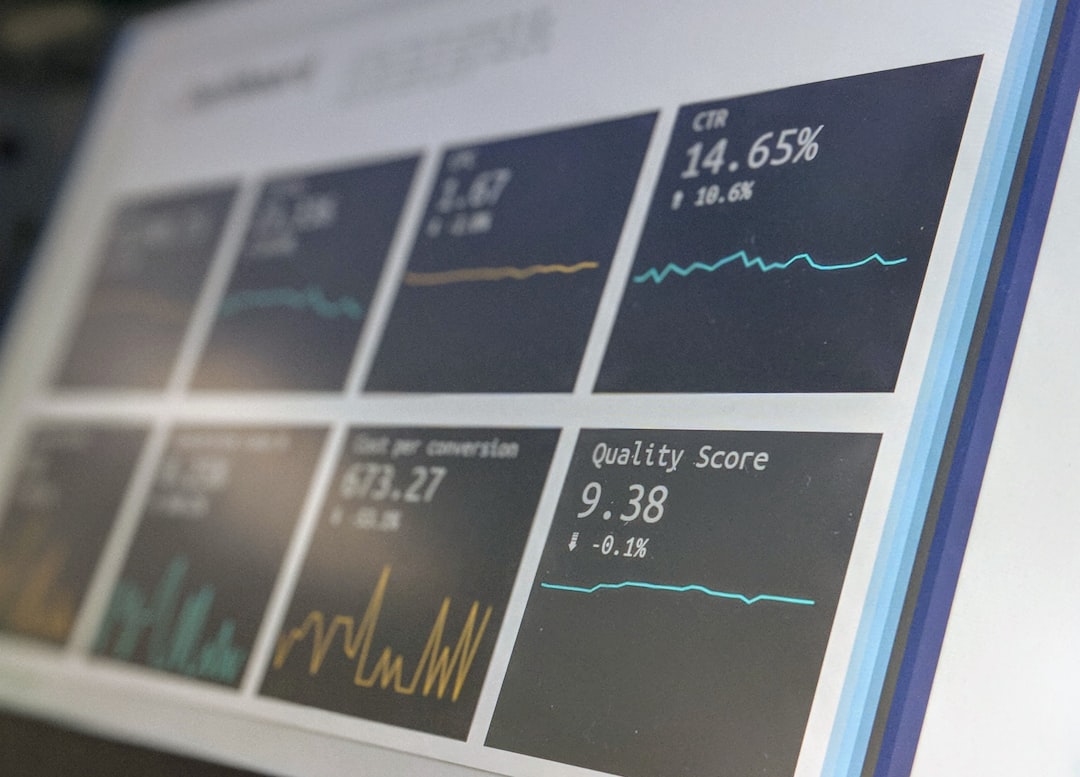
Trackable QR codes can collect several types of engagement signals. The exact data depends on the platform, privacy settings, and campaign setup, but common metrics include:
- Total scans: The number of times a QR code has been scanned.
- Unique scans: An estimate of individual users who scanned the code.
- Scan location: General geographic data, such as country, region, or city.
- Scan time and date: Information about when customers are most likely to engage.
- Device type: Whether scans came from iOS, Android, tablets, or other devices.
- Campaign source: Which printed item, location, store, or advertisement generated the scan.
- Post-scan behavior: Actions taken after scanning, such as purchases, registrations, video views, or form submissions.
These metrics help marketers separate curiosity from meaningful engagement. A high number of scans may show strong visibility, but the real value comes from understanding what users do afterward. If many people scan a code but few complete the next action, the landing page, offer, or call to action may need improvement.
Dynamic QR Codes and Campaign Flexibility
Brands often prefer dynamic QR codes because they provide both tracking and flexibility. A static QR code points directly to one fixed destination. Once it is printed, changing the destination is difficult or impossible. A dynamic code, however, points to a redirect link that can be updated later.
This is especially useful for long-running campaigns. A food brand may print a QR code on thousands of packages, then change the destination from a summer recipe page to a holiday promotion without reprinting the label. A retailer may update a code to direct shoppers to a new sale, a loyalty program, or a post-purchase review page.
Dynamic QR codes also make A/B testing easier. A brand can send different audiences to different landing pages, compare conversion rates, and refine the experience. Over time, this creates a feedback loop where each campaign becomes more informed than the last.
Using QR Codes Across Customer Touchpoints
Trackable QR codes can be used across nearly every physical touchpoint in a brand ecosystem. Their value grows when each placement has a clear purpose and is measured separately.
Product Packaging
Packaging is one of the most powerful places for a QR code because it reaches customers at or after the moment of purchase. A brand may use packaging codes to share product instructions, ingredient sourcing, authenticity verification, warranty registration, or styling tips. By tracking scans, the brand can see which products generate the most interest and what information customers seek most often.
Retail Displays
In stores, QR codes can help shoppers compare products, access reviews, claim discounts, or watch demonstrations. If a display in one location receives more scans than another, the brand can evaluate placement, messaging, foot traffic, or staff support. This makes QR analytics valuable not only for marketing teams but also for retail and merchandising teams.
Events and Trade Shows
At events, trackable QR codes can replace bulky brochures and manual lead forms. Attendees can scan codes on banners, booths, badges, table cards, or presentation slides. The brand can then measure which sessions, products, or offers attracted the most interest. Event teams can also follow up with prospects based on what they scanned, making outreach more relevant.

Print Advertising
Magazines, mailers, posters, flyers, and outdoor ads can all become measurable with QR codes. A brand can assign a different code to each publication, location, or mail segment. This allows marketers to compare response rates and calculate which offline placements deliver the strongest digital engagement.
Receipts and Post-Purchase Materials
QR codes on receipts, thank-you cards, product inserts, and shipping materials can encourage reviews, referrals, loyalty sign-ups, or customer support interactions. These post-purchase scans are especially valuable because they often come from existing customers who may be more likely to repeat a purchase or recommend the brand.
Connecting QR Scans to the Customer Journey
A QR scan is only one moment in the customer journey. To measure engagement properly, brands connect scan data with other digital analytics tools. For example, a scan may lead to a landing page where the brand tracks page views, time on page, clicks, form submissions, add-to-cart behavior, or purchases.
This is where QR codes become more than a convenience. They become an attribution tool. A brand can identify whether a package insert generated review submissions, whether a subway poster drove app installs, or whether an in-store display increased online purchases. When combined with campaign tags, pixels, analytics dashboards, and customer relationship management systems, QR codes help show how offline attention becomes digital action.
However, brands must be careful not to overstate what QR codes can prove. A scan does not always equal intent to buy. Some people scan out of curiosity, while others may abandon the page quickly. The strongest analysis considers scan data alongside conversion data, customer feedback, and broader campaign performance.
Improving Customer Engagement Through Better Experiences
Trackable QR codes are most effective when they give customers a clear reason to scan. A vague instruction such as “Scan me” is usually weaker than a specific benefit. Strong calls to action might include:
- “Scan for 20% off today”
- “Scan to see how this product is made”
- “Scan for installation instructions”
- “Scan to join the loyalty club”
- “Scan to verify authenticity”
- “Scan to watch the recipe video”
The post-scan destination must also match the promise. If the code offers a discount, the discount should be easy to claim. If it promises instructions, the instructions should load quickly and be mobile-friendly. Since most QR scans happen on smartphones, slow pages, cluttered layouts, and long forms can reduce engagement.
Brands can improve performance by testing different calls to action, landing page designs, content formats, and offers. They can also examine scan patterns to learn when people are most engaged. If scans spike at certain times, in specific regions, or around particular products, the brand can use that data to plan future promotions.
Privacy and Trust Considerations
Customer trust is essential when using trackable technology. While QR code analytics often rely on aggregated data, brands should still be transparent about what happens after a scan. If a landing page collects personal information, uses cookies, or connects to a loyalty account, the brand should provide clear privacy notices and consent options where required.
Good privacy practices can also improve engagement. Customers are more likely to interact when they understand the value exchange. If a brand asks for an email address, it should explain what the customer receives in return, such as exclusive offers, product updates, warranty support, or personalized recommendations.
How Brands Evaluate QR Code Success
Successful QR campaigns are measured against specific goals. A code placed on product packaging may aim to increase registrations. A code on an event banner may focus on lead generation. A code on a print advertisement may be designed to drive traffic to a campaign page. Each goal requires different key performance indicators.
Common success metrics include:
- Scan rate: The percentage of people exposed to the code who scan it.
- Conversion rate: The percentage of scanners who complete the desired action.
- Engagement depth: How long users stay or how many pages they visit after scanning.
- Revenue attribution: Sales connected to QR-driven traffic.
- Lead quality: The usefulness of contacts generated through QR campaigns.
- Repeat engagement: Whether customers scan again or continue interacting over time.
By comparing these metrics across locations, audiences, and creative variations, brands can identify what works best. A campaign with fewer scans but higher purchases may outperform one with many scans and little follow-through. The most valuable QR strategy focuses on outcomes, not just activity.
The Future of Trackable QR Code Engagement
As customers become more comfortable using QR codes, brands are finding more creative ways to apply them. They can support immersive experiences, personalized offers, connected packaging, loyalty journeys, digital product passports, sustainability information, and instant customer service. In each case, the code acts as a small entry point into a larger brand relationship.
The future will likely involve more personalization and better integration with customer data systems. A shopper scanning a code may receive content based on location, purchase history, language, or product type. A service brand may use QR scans to route customers to the right support flow. A consumer goods company may use scan data to understand regional demand and improve retail planning.
Ultimately, trackable QR codes help brands make offline engagement visible. They do not replace strong creative, useful content, or customer trust, but they make those efforts easier to measure and improve. For brands that want to understand how people interact with physical marketing, QR codes provide a simple, scalable, and data-rich tool.
FAQ
What is a trackable QR code?
A trackable QR code is a QR code connected to analytics, usually through a dynamic redirect link. It allows a brand to measure scans, locations, devices, times, and user actions after the scan.
How do brands use QR codes to measure engagement?
Brands measure engagement by tracking how many people scan a code, where scans happen, when they occur, and what users do next. This helps connect offline marketing materials to digital outcomes such as sign-ups, purchases, reviews, or downloads.
What is the difference between static and dynamic QR codes?
A static QR code has a fixed destination that cannot easily be changed after printing. A dynamic QR code allows the destination to be updated and usually includes tracking features, making it better for campaigns and analytics.
Can QR codes track individual customers?
QR codes can track scan behavior, but identifying individual customers usually requires additional actions, such as logging in, submitting a form, or joining a loyalty program. Brands should follow privacy laws and clearly explain how personal data is used.
Where should brands place trackable QR codes?
Common placements include product packaging, retail displays, posters, flyers, receipts, event booths, direct mail, menus, and product inserts. The best placement depends on the campaign goal and the customer’s context.
What makes customers more likely to scan a QR code?
Customers are more likely to scan when the benefit is clear. A strong call to action, such as “Scan for a discount” or “Scan for setup instructions,” gives people a reason to interact.
Are trackable QR codes useful for small brands?
Yes. Small brands can use trackable QR codes to learn which packaging, flyers, events, or local ads generate interest. The data can help them spend marketing budgets more effectively and improve customer experiences.