

For most online sellers, Shopify is the safest ecommerce choice, while Odoo and ERPNext make more sense when sales must sit inside wider operations such as accounting, purchasing, stock, and manufacturing. Shopify is built for selling online first. Odoo and ERPNext are built to run a business first, with ecommerce as one part of a larger system. That difference matters because online retail is no small side channel anymore: Shopify merchants generated $235.9 billion in gross merchandise volume in 2023 [source: Shopify].
TLDR: Choose Shopify if your top goal is fast, reliable online selling with less technical work. Choose Odoo if you want ecommerce tied to CRM, inventory, accounting, POS, and operations in one suite. Choose ERPNext if you want open-source ERP control and have technical help available. For example, a retailer doing 2,000 orders per month may launch faster on Shopify, but could save admin time with Odoo or ERPNext if 30% to 40% of staff hours are spent fixing stock, invoices, or purchasing errors.
Ecommerce is not the same as e-business
Ecommerce means buying and selling online. It includes product pages, carts, payments, shipping rules, promotions, and customer checkout. It is the front door of online revenue.
E-business is wider. It includes ecommerce, but also inventory, finance, procurement, customer service, HR, warehouse work, reporting, and internal approvals. This is where many growing companies get stuck. The store looks fine, but the back office is held together with spreadsheets. That gets old quickly.
The catch is simple: a beautiful checkout does not fix bad stock data. If the warehouse, invoice, and purchase order systems do not agree, customers feel it. They see late shipments, canceled orders, and wrong delivery dates.
Shopify: best for focused online sales
Shopify is the strongest choice when ecommerce is the main job. It is quick to set up, stable, and supported by a large app market. Small teams can add payments, themes, shipping tools, reviews, subscriptions, and email apps without building everything themselves.
Its main strength is speed. A small brand can launch a clean store in days, not months. The admin area is simple. Product setup is clear. Checkout is polished. For direct-to-consumer brands, that is a major advantage.
But Shopify is not a full ERP. It can connect to finance, warehouse, and ERP tools, but those links need care. Apps can also pile up. Honestly, it feels like every small feature wants another monthly fee. After a while, a simple store can turn into a crowded stack of plugins.
Best fit: retailers, creators, DTC brands, small wholesalers, and companies that need online revenue fast.
Odoo: best for joined-up sales and operations
Odoo sits closer to e-business. It offers ecommerce, CRM, accounting, inventory, purchasing, manufacturing, POS, helpdesk, marketing, and more. The big appeal is that these apps can share the same data. A web order can affect stock, trigger delivery, create an invoice, and update customer history.
That makes Odoo useful for companies that sell through more than one channel. For example, a distributor may sell online, by phone, through field sales, and at a physical counter. Odoo can bring those processes into one system when it is set up well.
The weak point is setup. Odoo can feel simple at first, then suddenly become complex when workflows get real. Taxes, warehouses, returns, product variants, and permissions need careful decisions. Expect to waste time on configuration if no one owns the process internally.
Best fit: growing companies that need ecommerce plus CRM, accounting, inventory, and operations in one place.
ERPNext: best for open-source control
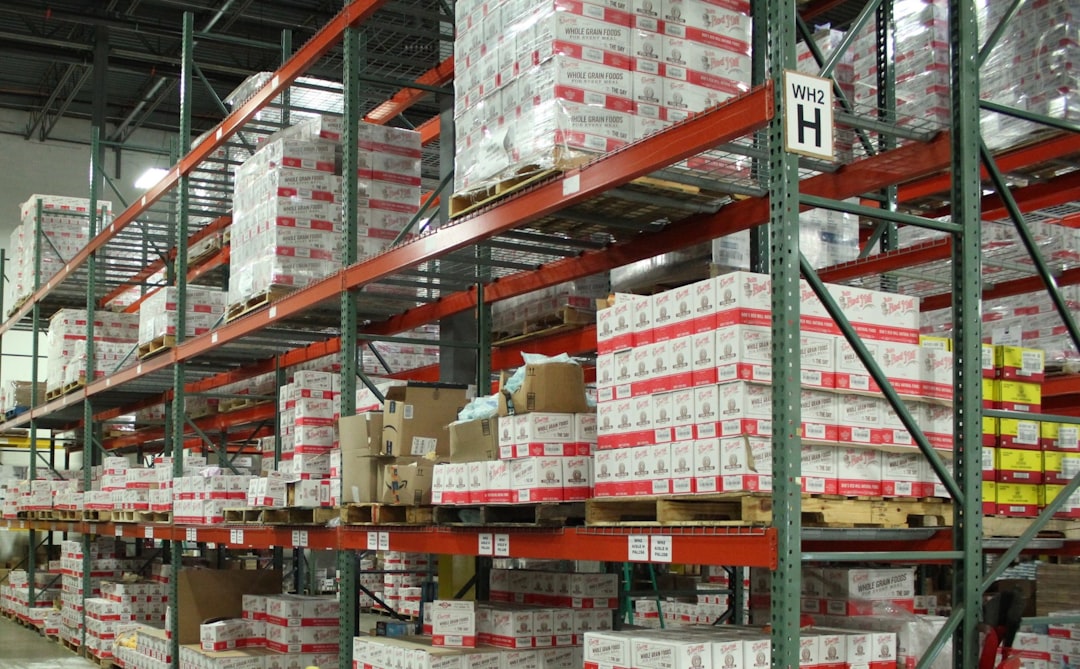
ERPNext is an open-source ERP with modules for selling, buying, stock, accounting, manufacturing, projects, HR, and ecommerce. It appeals to companies that want control, lower license pressure, and the ability to adapt the system to their own process.
ERPNext is especially interesting for manufacturers, service firms, and distributors that view ecommerce as part of a bigger operating model. It can manage bills of materials, stock movements, quotations, invoices, and purchase cycles. That gives it more depth than a basic online store.
The tradeoff is polish. ERPNext is powerful, but it is not as smooth as Shopify for storefront design, payment setup, or marketing apps. It also needs solid implementation skills. If your team has no technical support, even basic changes can take longer than expected.
Best fit: companies that want open-source ERP, have technical support, and need strong control over internal processes.
Quick comparison
- Fastest store launch: Shopify.
- Best all-in-one business suite: Odoo.
- Most open-source control: ERPNext.
- Best checkout experience: Shopify.
- Best fit for complex internal workflows: Odoo or ERPNext.
- Lowest technical burden: Shopify.
- Highest setup planning need: Odoo and ERPNext.
How to choose without regret
Start with the pain, not the software. If your main problem is selling more online, pick Shopify. It gives you a strong storefront, trusted checkout, and a huge app network. You can connect ERP tools later when needed.
If your main problem is messy operations, Shopify alone will not fix it. In that case, Odoo or ERPNext may be the better base. They help connect orders, stock, invoices, vendors, and reporting.
Use this simple rule:
- Choose Shopify when marketing, conversion, checkout, and customer experience come first.
- Choose Odoo when you want one commercial suite for ecommerce and operations.
- Choose ERPNext when open-source control and process depth matter more than storefront polish.
The serious answer is not that one platform is always better. They solve different problems. Shopify is ecommerce-first. Odoo is business-suite-first. ERPNext is ERP-first and open-source. The right choice depends on where the real cost sits: lost sales, manual admin, bad stock data, or slow internal work.
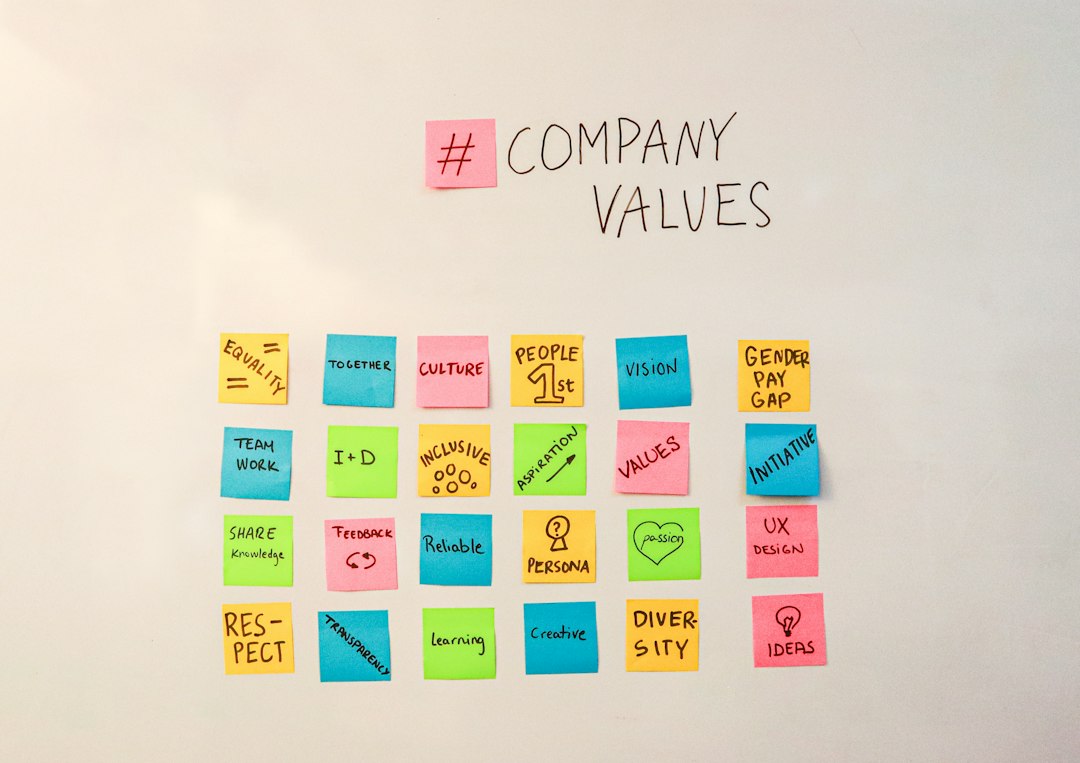
For many firms, the smartest path is staged. Launch online sales with Shopify if speed matters. Move to Odoo or ERPNext when back-office work becomes the bottleneck. If operations are already painful, start with the ERP discussion before picking the storefront. That saves money, time, and a lot of avoidable rework.