
Choose ecommerce data scraping services when you need custom, hard-to-get marketplace data; choose product data APIs or intelligence platforms when you need cleaner access, faster setup, and ready-made insights. The right option depends on how much control you need, how fresh the data must be, and whether your team wants raw data or answers.
TLDR: Scraping services are best for custom data collection from ecommerce sites, such as tracking competitor prices across 50,000 SKUs every morning. Product data APIs are better when you need structured product, price, and availability data without building crawlers. Intelligence platforms go one step higher by turning that data into reports, alerts, and pricing recommendations. For example, a retailer monitoring 12 competitors may cut manual price checks by 80% and spot pricing gaps within hours instead of days.
What Ecommerce Data Scraping Services Actually Do
Ecommerce data scraping services collect product information from online stores, marketplaces, search pages, category pages, and sometimes review pages. The data is usually gathered through automated crawlers that visit web pages, extract specific fields, clean the results, and deliver them in a format your team can use.
Common data points include:
- Product titles and descriptions
- Prices, discounts, and coupon signals
- Stock status and delivery availability
- Seller names and marketplace rankings
- Ratings, reviews, and review counts
- Images, specifications, and size variants
- Category placement and search visibility
The main value is flexibility. If you need to monitor a niche marketplace, a regional store, or a competitor that has no API, scraping may be the only practical route. It can also capture page-level details that APIs often skip, such as badge text, shipping messages, “only 3 left” notices, or sponsored placement.
Where Scraping Services Shine
Scraping services fit best when your use case is specific. Maybe you sell electronics and need to know when a competitor drops a laptop price below $799. Maybe your brand wants to catch unauthorized sellers on a marketplace. Maybe your category team wants weekly data on assortment gaps.
In these cases, generic data is not enough. You need a custom setup. That may include exact URLs, keyword rules, country-specific stores, language handling, currency conversion, or product matching logic.
Good scraping projects usually have a clear target:
- Track 20 competitor sites twice per day
- Monitor 100,000 product pages for price and stock changes
- Collect marketplace seller data by product ID
- Compare product descriptions and images against brand standards
- Measure share of search for selected keywords
The catch is that scraping can get messy fast. Sites change page layouts. Anti-bot systems slow requests. Product variants hide behind scripts. A job that worked Monday can fail Wednesday because a retailer moved the price field into a new component. That is why managed scraping services are popular. Someone else handles the breakage.
What Product Data APIs Offer
Product data APIs provide structured ecommerce data through a defined endpoint. Instead of crawling pages yourself, your software sends requests and receives product information in formats such as JSON or CSV.
APIs are usually faster to connect than custom scraping. They are also easier for engineering teams to plug into internal systems. You request a product, retailer, keyword, or barcode. The API returns fields like price, title, seller, rating, availability, and image URL.
That sounds neat because it often is. The annoyance starts when the API does not cover the store you care about, misses regional pricing, or updates too slowly. Honestly, it feels like some APIs are great until you ask for the one field your pricing team actually needs.
Product data APIs work well for:
- Building price comparison tools
- Enriching product catalogs
- Matching UPC, EAN, GTIN, or ASIN data
- Checking product availability at scale
- Feeding internal dashboards with standardized data
What Ecommerce Intelligence Platforms Add
Ecommerce intelligence platforms sit above raw collection. They may use scraping, APIs, data partnerships, or a mix of sources. Their main promise is not just data access. Their promise is interpretation.
Instead of giving you rows of prices, they show trends. Instead of listing reviews, they score sentiment. Instead of showing stock status only, they may alert you when a rival runs out of inventory and your product has a chance to gain visibility.
Image not found in postmeta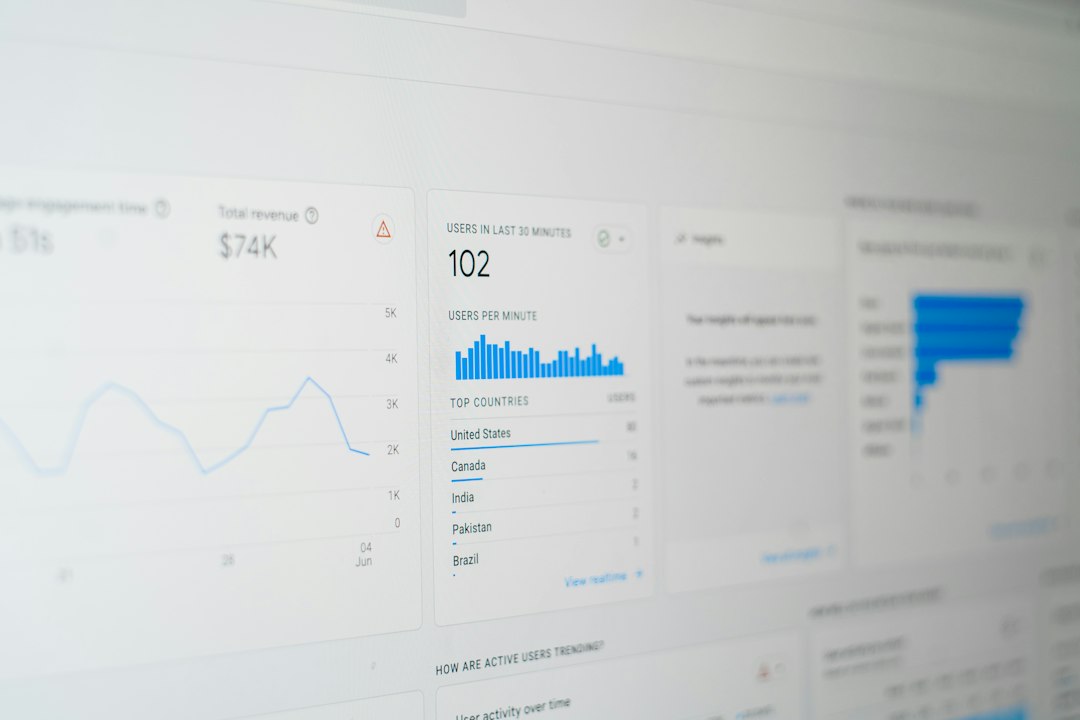
These platforms often include:
- Competitor price monitoring
- Market share estimates
- Assortment analysis
- Buy box tracking
- Review and sentiment analytics
- Automated alerts
- Pricing recommendations
The tradeoff is control. You may get a polished dashboard, but less freedom over how data is collected. You may also pay for features your team rarely uses. If all you need is a daily file with prices from ten sites, a full intelligence suite can be overkill.
Scraping Services vs APIs vs Intelligence Platforms
These options often overlap, but they serve different buyers.
| Option | Best For | Main Strength | Main Weakness |
|---|---|---|---|
| Scraping services | Custom competitor, marketplace, and product tracking | High flexibility | Can break when sites change |
| Product data APIs | Structured product data at scale | Easy technical integration | Coverage may be limited |
| Intelligence platforms | Business teams that need insights, alerts, and reports | Ready-made analysis | Less control and higher cost |
If your team has strong data engineers, scraping or APIs may be enough. If your merchandisers, pricing managers, or category leads need answers without touching raw files, an intelligence platform may save time.
Real Use Cases That Show the Difference
Retail pricing: A mid-sized retailer tracks 35,000 products across eight rival websites. A scraping service collects price and stock data every six hours. The retailer flags items priced 5% above competitors and adjusts selected products daily.
Catalog enrichment: A marketplace needs missing product specifications for 2 million SKUs. A product data API helps fill brand, model, size, and barcode fields. This is simpler than scraping dozens of sites one by one.
Brand protection: A cosmetics brand monitors unauthorized sellers across marketplaces. Scraping captures seller names, prices, ratings, and product images. The brand can then spot gray-market listings and inconsistent product claims.
Executive reporting: A consumer goods company wants weekly insight on market position. An intelligence platform shows share of search, average competitor discount, review movement, and out-of-stock rates in one dashboard.
What to Check Before You Buy
Before choosing a vendor or tool, ask practical questions. Skip vague promises. Ask for sample data.
- Coverage: Which sites, countries, and marketplaces are supported?
- Freshness: Is data updated hourly, daily, weekly, or on demand?
- Accuracy: How are failed pages, duplicates, and mismatches handled?
- Product matching: Can the provider match variants, bundles, and private labels?
- Delivery: Do you get API access, CSV files, cloud storage, or dashboards?
- Compliance: Does the provider respect site rules, privacy laws, and data limits?
- Support: Who fixes broken crawlers or missing fields?

How to Make the Right Choice
Pick scraping services if your target data is unusual, site-specific, or not available through reliable APIs. This is often the best choice for competitor monitoring, marketplace seller tracking, and regional price checks.
Pick product data APIs if you need clean, repeatable data feeds and your target sources are already covered. APIs are useful when speed, structure, and integration matter more than custom page details.
Pick intelligence platforms if your team wants decisions, not raw data. They are strongest when business users need alerts, charts, benchmarks, and recommendations without waiting on analysts.
The smartest setup is often a mix. A company may use scraping for niche competitors, APIs for catalog enrichment, and an intelligence platform for leadership reporting. Raw data feeds the machine. Clean APIs keep systems running. Insight tools help people act before a competitor beats them to the sale.