Modern organizations rely on data to drive decisions, automate operations, and power customer-facing products. But as data pipelines grow more complex—spanning cloud warehouses, streaming systems, APIs, and transformation tools—the risk of errors, delays, and inaccuracies rises sharply. This is where data pipeline monitoring software becomes essential. By continuously tracking performance, data quality, and system health, these tools help ensure that the data fueling your business is accurate, timely, and trustworthy.
TL;DR: Data pipeline monitoring software helps organizations maintain accurate and reliable data by tracking data quality, system performance, and operational reliability in real time. It detects anomalies, failures, schema changes, and delays before they impact business decisions. With automated alerts, dashboards, and lineage tracking, teams can quickly identify root causes and fix issues. Investing in proper monitoring reduces downtime, improves trust in analytics, and protects revenue.
As companies shift toward data-driven strategies, the cost of inaccurate data has never been higher. A single broken transformation, schema change, or late job can affect dashboards, machine learning models, and regulatory reports. Monitoring solutions provide proactive visibility, reducing the time between issue detection and resolution—often referred to as mean time to detection (MTTD) and mean time to resolution (MTTR).
Why Data Accuracy Is So Fragile in Modern Pipelines
Today’s data pipelines are far more intricate than traditional batch ETL workflows. They often include:
- Multiple data sources (databases, SaaS applications, IoT devices)
- Streaming platforms like Kafka or Pub/Sub
- Cloud storage and warehouses
- Transformation layers such as dbt or Spark
- Business intelligence tools and machine learning systems
Each stage introduces potential points of failure. Schema changes can silently break transformations. Delayed ingestion can cause incomplete reports. Duplicate or null values can corrupt metrics. Without monitoring, teams may not discover problems until stakeholders question analytics results.
This complexity is why pipeline observability and monitoring have evolved into dedicated categories of software rather than being treated as basic logging features.
Core Capabilities of Data Pipeline Monitoring Software
Effective monitoring platforms go beyond simple job status checks. They provide comprehensive observability across the entire data lifecycle. Key capabilities include:
1. Data Quality Monitoring
Data quality monitoring ensures that datasets remain accurate and consistent. This typically includes:
- Freshness checks – Ensuring data arrives on time
- Volume monitoring – Tracking row counts for anomalies
- Schema validation – Detecting added, removed, or altered columns
- Null and distribution checks – Identifying unexpected value changes
Machine learning–based anomaly detection is increasingly common, allowing systems to learn “normal” behavior and flag deviations automatically.
2. Pipeline Health and Reliability
Monitoring tools track whether jobs succeed or fail, how long processes take, and whether dependencies execute in the correct order. This ensures:
- Reduced pipeline downtime
- Faster root cause analysis
- Improved SLA compliance
3. End-to-End Lineage Tracking
Lineage provides a visual map of how data moves from source to destination. If a dashboard metric looks incorrect, lineage helps teams trace it back through transformations to identify where the issue originated.
4. Alerting and Incident Management
Real-time alerts integrate with tools like Slack, email, or PagerDuty. Instead of waiting for a report to fail, teams are immediately notified when anomalies arise.
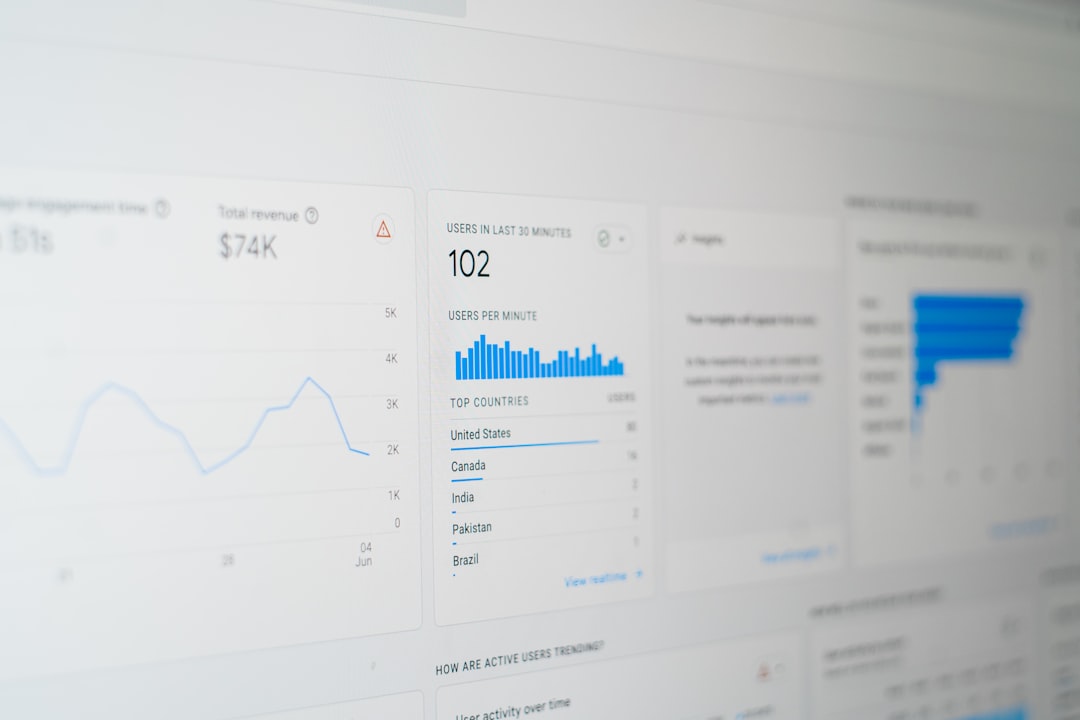
5. Observability Dashboards
Clear dashboards give engineers and analysts shared visibility into pipeline status, reducing silos between data engineering and analytics teams.
Popular Data Pipeline Monitoring Tools
The market offers several specialized platforms built to monitor modern data ecosystems. Below are some widely adopted tools:
- Monte Carlo – Focuses on data observability with automated anomaly detection
- Datadog – Infrastructure and application monitoring with data pipeline integrations
- Great Expectations – Open-source data quality validation framework
- Soda – Data quality testing and monitoring platform
- PagerDuty – Incident response platform that integrates with pipelines
Comparison Chart of Leading Tools
| Tool | Primary Focus | Best For | Strength | Consideration |
|---|---|---|---|---|
| Monte Carlo | Data observability | Large analytics teams | Automated anomaly detection | Premium pricing |
| Datadog | Infrastructure monitoring | Engineering heavy organizations | Broad system visibility | May require configuration for data quality |
| Great Expectations | Data validation | Open source users | Highly customizable rules | Manual setup and maintenance |
| Soda | Data quality and monitoring | Mid size data teams | Easy SQL based checks | Advanced features in paid tier |
| PagerDuty | Incident response | Ops focused teams | Strong alert management | Not a full observability platform |
Each tool serves slightly different purposes. Many organizations combine multiple solutions for comprehensive coverage.
How Monitoring Directly Improves Data Accuracy
Maintaining data accuracy is not just about preventing failure—it’s about protecting decision-making integrity. Monitoring contributes to accuracy in several measurable ways:
Faster Error Detection
Without monitoring, issues might surface days later in business reports. With automated checks, problems are detected within minutes of occurrence.
Early Detection of Silent Failures
Some errors don’t cause job failures. Instead, they produce incorrect data. Schema drift, truncated fields, or incorrect joins can silently compromise analytics. Monitoring tools detect anomalies in value distribution and structure—even when pipelines technically “succeed.”
Improved Collaboration Between Teams
When data engineers, analysts, and business stakeholders share visibility through dashboards and alerts, miscommunication decreases. Issues are identified and solved collaboratively.
Stronger Governance and Compliance
Regulated industries require audit trails and accuracy validation. Monitoring systems document data changes, transformation logic, and access patterns—supporting compliance efforts.
Best Practices for Implementing Data Pipeline Monitoring
Simply purchasing monitoring software isn’t enough. Effective deployment requires strategic planning. Consider the following best practices:
- Define clear SLAs – Establish expectations for data freshness and reliability.
- Start with critical datasets – Prioritize dashboards and tables that impact revenue or executive reporting.
- Automate checks – Avoid relying on manual validation.
- Implement layered monitoring – Monitor infrastructure, pipelines, and data quality simultaneously.
- Continuously refine alerts – Reduce alert fatigue by tuning thresholds.
Organizations often begin with basic validation rules and gradually adopt more sophisticated anomaly detection models as data maturity increases.

Common Challenges and How to Overcome Them
While monitoring software is powerful, implementation can present challenges:
Alert Fatigue
Too many notifications can overwhelm teams. The solution lies in refining thresholds and grouping related alerts.
Integration Complexity
Data environments include diverse tools. Selecting monitoring platforms that integrate seamlessly with warehouses, orchestration tools, and BI solutions reduces friction.
Cost Management
Enterprise observability platforms can become expensive at scale. Organizations should balance coverage needs against budget and evaluate ROI carefully.
Cultural Adoption
Monitoring requires shared ownership. Encouraging collaborative response processes ensures alerts translate into corrective action.
The Future of Data Pipeline Monitoring
As artificial intelligence and real-time analytics become mainstream, monitoring software is also evolving. Future trends include:
- AI driven anomaly detection that requires minimal manual rule creation
- Predictive monitoring that anticipates failures before they occur
- Integrated observability platforms covering infrastructure, data, and application layers
- Self healing pipelines that automatically remediate certain types of errors
These innovations signal a shift from reactive maintenance to proactive data assurance.
Why Monitoring Is Now a Strategic Necessity
Data pipeline monitoring is no longer a luxury for large enterprises—it’s a foundational component of responsible data management. Decision-makers rely on dashboards to guide investments, marketing campaigns, risk assessments, and product development. When those dashboards are built on inaccurate data, the ripple effects can cost millions.
By implementing robust monitoring software, organizations gain:
- Higher trust in business intelligence
- Reduced operational risk
- Faster resolution of data issues
- Stronger cross team collaboration
- Greater confidence in AI and machine learning outputs
In a world increasingly defined by data, accuracy is not optional—it is strategic infrastructure. Monitoring software acts as the safeguard that ensures data pipelines remain reliable, transparent, and resilient. For organizations serious about analytics excellence, investing in comprehensive data pipeline monitoring is one of the most impactful decisions they can make.