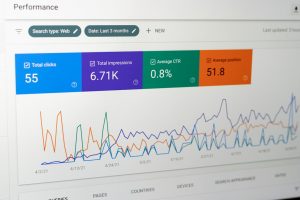
Choose Brandwatch if brand perception, social conversation, sentiment, and reputation risk are your main concerns; choose Semrush if brand performance is tied to search visibility, competitor traffic, content, and paid media. Both tools can measure brand performance, but they answer different business questions. Brandwatch is stronger for understanding what people say and feel. Semrush is stronger for understanding how people find, compare, and engage with your brand online.
TLDR: Brandwatch is the better fit for social listening, sentiment analysis, crisis detection, and share of voice across public conversations. Semrush is better for SEO visibility, branded search demand, competitor benchmarking, and content performance. For example, if branded searches rise by 28% after a campaign but positive sentiment drops from 64% to 51%, Semrush explains demand growth while Brandwatch explains reputation pressure. A practical setup is to use Semrush weekly for traffic and keyword trends, then use Brandwatch daily for conversation spikes and sentiment shifts.
What “brand performance” really means
Brand performance is not one metric. It is a mix of awareness, trust, visibility, engagement, preference, and purchase intent. A serious analysis should answer questions such as:
- Are more people searching for the brand?
- Is public sentiment improving or getting worse?
- How does the brand compare with competitors?
- Which channels drive attention and traffic?
- Are campaigns producing real market signals?
This is where the split becomes clear. Brandwatch reads the public conversation. Semrush reads the search, traffic, and competitive signal. Neither tool is “better” in every case. The right choice depends on which signal matters most to your team.

Brandwatch: best for reputation and conversation intelligence
Brandwatch is built for social listening and consumer intelligence. It tracks mentions across social platforms, forums, blogs, news sources, and other public digital spaces. Its strength is not just counting mentions. It helps teams understand themes, sentiment, audience segments, and sudden changes in conversation volume.
This makes it useful for PR teams, communications teams, brand managers, and agencies that need to know what people are saying before issues turn into business problems. If a negative product story starts spreading on X, Reddit, or news sites, Brandwatch can show where it started, which voices amplified it, and how the tone changed over time.
Key strengths of Brandwatch include:
- Advanced social listening: Tracks brand mentions, competitor mentions, campaign hashtags, and topic clusters.
- Sentiment and emotion analysis: Useful for monitoring trust, frustration, excitement, and complaint patterns.
- Share of voice tracking: Compares brand conversation volume against competitors.
- Crisis monitoring: Flags spikes in volume, negative sentiment, or sensitive topics.
- Audience insights: Helps identify who is talking, what they care about, and which channels matter most.
The catch is that Brandwatch can feel heavy at first. Query building needs care. A sloppy setup can pull in irrelevant mentions, especially for brands with common names. Expect to spend real time refining exclusions, language filters, and source rules. That work pays off, but it is not instant.
Semrush: best for search visibility and competitive performance
Semrush is strongest when brand performance is viewed through search, content, traffic, and competitor data. It helps marketers measure how often people search for the brand, which branded keywords are growing, how competitors rank, and which pages attract attention.
For performance marketing teams, SEO teams, content teams, and executives focused on demand generation, Semrush gives clear commercial signals. If branded keyword volume increases after a campaign, that suggests rising awareness. If a competitor gains ranking positions for comparison keywords, that may show lost consideration.
Key strengths of Semrush include:
- Branded keyword tracking: Monitors search volume, rankings, and position changes.
- Competitor analysis: Shows traffic estimates, keyword overlap, paid search activity, and content gaps.
- SEO visibility reporting: Measures how visible a brand is in organic search.
- Content performance: Identifies which pages and topics attract traffic.
- Market comparison: Helps compare domains, keywords, backlinks, and traffic sources.
Honestly, it feels like Semrush can make brand analysis a bit too channel-focused. It is excellent for search and competitive data, but weaker when the issue is emotional response or public trust. A campaign can look strong in Semrush because traffic rose, while Brandwatch may reveal that the traffic came from criticism or confusion.
Image not found in postmeta
Where Brandwatch beats Semrush
Brandwatch is the better choice when the goal is to understand brand reputation. It is much stronger at capturing unsolicited feedback. That matters because customers rarely say everything through surveys or website behavior. They complain in comments. They praise products in niche communities. They compare brands in public threads.
Use Brandwatch when you need to measure:
- Sentiment by topic: For example, whether complaints are about price, quality, service, or delivery.
- Campaign reaction: How people respond to a launch, ad, sponsor deal, or public statement.
- Influencer and media impact: Which voices shape the conversation.
- Reputation risk: Early signs of backlash, misinformation, or product issues.
- Consumer language: The exact words customers use when describing needs and pain points.
If your board asks, “Do people trust us more than last quarter?” Brandwatch is closer to the answer. It can show sentiment movement, conversation drivers, and share of voice in a way that search data alone cannot.
Where Semrush beats Brandwatch
Semrush wins when the question is about discoverability and demand. It shows whether more people are looking for the brand and whether competitors are taking attention in search results. This is especially useful for brands that depend on Google for acquisition, comparison, and education.
Use Semrush when you need to measure:
- Branded search growth: A strong proxy for awareness and demand.
- Organic visibility: Whether your brand appears for key category terms.
- Competitor search pressure: Which rivals are gaining rankings or paid visibility.
- Content contribution: Which pages support brand authority and consideration.
- Traffic quality signals: How search trends connect to visits and engagement.
If leadership asks, “Are more people considering us when they search?” Semrush is the cleaner answer. It connects brand demand to keywords, rankings, domains, and competitive movement.
Side-by-side comparison
| Category | Brandwatch | Semrush |
|---|---|---|
| Best use | Reputation, sentiment, social listening | SEO, brand search, competitor visibility |
| Primary data type | Public conversations and mentions | Keywords, domains, traffic, backlinks |
| Best users | PR, brand, insights, communications | SEO, content, demand generation, strategy |
| Main weakness | Setup complexity and query tuning | Limited emotional and sentiment depth |
A practical brand measurement workflow
The strongest approach is often to use both tools, with clear roles. Avoid mixing every metric into one vague score. That usually creates confusion.
- Use Semrush first to track branded search volume, keyword rankings, organic visibility, traffic trends, and competitor movement.
- Use Brandwatch next to explain changes in sentiment, topic volume, share of voice, and public reaction.
- Compare both views monthly to separate healthy awareness from noisy attention.
- Report three to five core metrics only. Too many charts weaken the story.
For example, a retail brand may see a 35% rise in branded searches after a major influencer campaign. Semrush would confirm the demand lift. Brandwatch might then show that 72% of campaign mentions were positive, while complaints centered on shipping delays. That gives leadership a useful answer: awareness improved, but operations may be limiting brand trust.
Image not found in postmeta
Final recommendation
Pick Brandwatch if your main risk is reputation, public perception, campaign reaction, or consumer sentiment. It is the stronger tool for listening to the market and spotting issues early.
Pick Semrush if your main goal is to measure brand visibility, branded demand, SEO strength, and competitor pressure. It is the stronger tool for linking brand performance to search and digital acquisition.
For mature teams, the best answer is not Brandwatch versus Semrush. It is Brandwatch for meaning and Semrush for market signal. Together, they give a more balanced view of whether the brand is being found, discussed, trusted, and chosen.