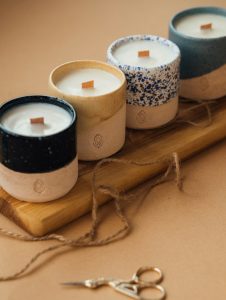

The most profitable crafts to sell are small, customizable, repeatable products with healthy margins, and Etsy is usually better for first sales while Shopify is better for building a long-term brand. If you sell handmade jewelry, digital patterns, candles, wedding items, personalized gifts, or premium home decor, your platform choice can change your profit more than the product itself.
TLDR: Start on Etsy if you need buyer traffic and want to test products quickly. Move to or add Shopify once you have proven demand, repeat buyers, or a clear brand. For example, a seller making personalized pet ornaments for $8 in materials and labor might sell them for $32; at 100 sales per month, platform fees and ad costs can be the difference between a side income and a real business. Etsy is simpler at the start, but Shopify gives more control once orders are steady.
Most profitable crafts to sell online
The best handmade products share three traits: low production cost, strong perceived value, and clear gift appeal. Buyers pay more when the item feels personal, useful, or hard to find in a chain store.
- Personalized jewelry: Name necklaces, birthstone bracelets, stamped rings, and memorial pieces often have strong margins. Small size keeps shipping costs low.
- Wedding products: Invitations, vow books, signs, favors, bridesmaid gifts, and table decor sell well because buyers are already prepared to spend.
- Candles and wax melts: Profit depends on scent quality, packaging, and repeat purchases. Bundles help lift average order value.
- Digital products: Sewing patterns, crochet patterns, printable planners, wall art, and SVG files can be very profitable because there is no physical inventory.
- Home decor: Ceramic pieces, wood signs, woven wall hangings, and handmade lamps can command premium pricing if the style is distinct.
- Pet products: Custom collars, pet portraits, memorial gifts, and dog bandanas perform well because owners buy with emotion.
- Baby and nursery items: Blankets, name signs, milestone cards, and keepsakes sell well as shower gifts.
Etsy: best for testing and early sales
Etsy is the stronger choice for beginners because people already go there to buy handmade and custom products. You do not need to build a full website first. You can list ten products, study search terms, watch favorites, and see what converts.
This matters. A new Shopify store with no audience may get almost no traffic unless the seller pays for ads, posts heavily on social media, or has an email list. Etsy gives access to shoppers who are already searching for phrases like personalized teacher gift, linen wedding guest book, or custom dog portrait.
The catch is that Etsy can feel crowded fast. You may be placed beside hundreds of similar products, sometimes cheaper ones. Etsy also controls much of the shopping experience. Your shop can look polished, but it still sits inside Etsy’s system.
Main Etsy advantages:
- Built-in buyer traffic
- Lower setup effort
- Good search tools for handmade shoppers
- High trust with gift buyers
- Fast product testing
Main Etsy drawbacks:
- Listing fees, transaction fees, payment fees, and optional ad costs
- Heavy competition in popular categories
- Limited brand control
- Risk of policy changes affecting sales
- Harder to build direct customer relationships
Honestly, it feels like Etsy makes some simple tasks take longer than they should. Editing many listings or fine-tuning variations can eat up an afternoon. That time matters when you are also making, packing, and answering customers.
Shopify: best for brand control and higher lifetime value
Shopify is better when you want ownership. You control the website, customer journey, email capture, design, upsells, bundles, and post-purchase offers. That control can raise profit per customer, especially for brands with repeatable products.
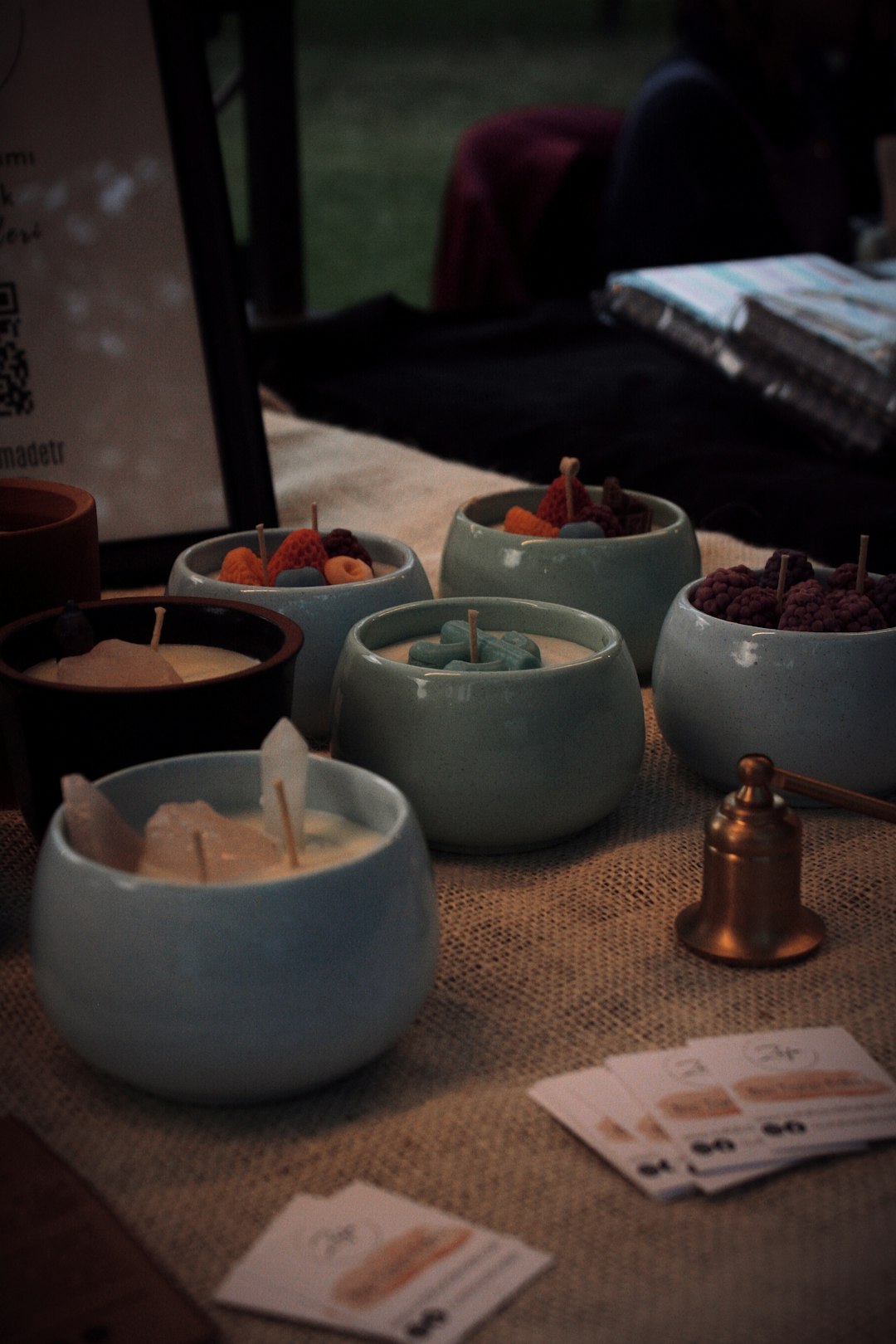
For example, a candle seller may struggle on Etsy if buyers compare only price and fragrance. On Shopify, that same seller can build a strong brand around ingredients, scent families, gift boxes, subscriptions, and seasonal launches. A $24 candle can become a $68 gift bundle with a wick trimmer and matches.
Shopify also suits sellers who use social media well. TikTok, Instagram, Pinterest, and email can send buyers straight to a branded store. Once there, you are not sitting next to twenty cheaper competitors.

Main Shopify advantages:
- Full control over branding and store design
- Better customer data and email marketing options
- No direct marketplace competition on your product pages
- Flexible bundles, subscriptions, and upsells
- Stronger long-term business value
Main Shopify drawbacks:
- Monthly platform cost
- You must bring your own traffic
- More setup work
- Extra apps can increase costs
- Ads can waste money if margins are weak
It drives me crazy that many Shopify stores need apps for features sellers assume are standard. Reviews, bundles, advanced shipping rules, and email popups can each add another monthly charge. A store that looked cheap at first can cost much more by month three.
Profit comparison: Etsy vs Shopify
Profit is not just revenue minus materials. You must include fees, advertising, packaging, failed batches, returns, payment processing, and your labor. A craft that sells for $40 is not profitable if it takes two hours to make and costs $18 to package and ship.
Here is a simple example:
- Product: Personalized resin keychain set
- Sale price: $35
- Materials and packaging: $9
- Labor time: 25 minutes
- Estimated Etsy fees and payment costs: about $3 to $5 before ads
- Estimated Shopify payment and app cost per order: often lower per sale, but only after monthly costs are covered
On Etsy, the seller may get sales faster but pay more in marketplace-related costs. On Shopify, the seller may keep more of each order but spend more to attract buyers. Neither platform is automatically cheaper. The best choice depends on traffic, repeat purchase rate, and average order value.
Which crafts fit Etsy best?
Etsy is strongest for search-based, gift-driven, personalized products. Buyers often arrive with a specific need and a deadline. That makes search visibility valuable.
- Custom ornaments
- Wedding signs and invitations
- Personalized mugs and tumblers
- Engraved jewelry
- Pet memorial gifts
- Printable planners and templates
- Crochet, knitting, and sewing patterns
If your product solves a clear gifting problem, Etsy can work very well. Use clear titles, strong photos, accurate processing times, and specific keywords. Do not try to be clever with vague names. Buyers search for what they need.
Which crafts fit Shopify best?
Shopify is strongest for crafts with strong visual identity, repeat purchases, or premium positioning. It works well when customers may return monthly, seasonally, or for gifts.
- Luxury candles and soaps
- Skincare and bath products
- Pottery collections
- Home fragrance bundles
- Art prints with a clear style
- Handmade bags and accessories
- Subscription craft boxes
Best strategy for serious sellers
For many handmade businesses, the smartest setup is not Etsy versus Shopify. It is Etsy first, Shopify second. Use Etsy to test demand. Track which products get views, favorites, and orders. Then build a Shopify store around the winners.
A practical target is to consider Shopify once you reach steady sales, such as 50 to 100 orders per month, or when one product line clearly outperforms the rest. At that point, email marketing, bundles, and direct customer retention become much more valuable.
Price your crafts with discipline. Aim for a retail price of at least 3 to 4 times your material cost for physical goods, unless labor is very low. For digital products, focus on volume, presentation, and reviews. A $6 printable that sells 300 times is often better than a $60 item that takes hours to produce once.
Final recommendation
Choose Etsy if you need traffic, validation, and faster first sales. Choose Shopify if you already know your product sells and you want a serious branded store. The most profitable handmade sellers often use both, but they do not treat both the same.
Use Etsy as a demand engine. Use Shopify as a brand engine. Keep your bestselling crafts simple to reproduce, easy to ship, and clear in value. That is where real profit starts.