A home building company’s website is more than a digital brochure. For many prospective clients, it is the first serious point of contact with your business, your standards, and your ability to deliver a complex project with professionalism. A high-converting website should help visitors quickly understand what you build, why they should trust you, and how to take the next step with confidence.
TLDR: A high-converting home builder website must combine clear positioning, strong visual proof, simple navigation, and persuasive calls to action. It should answer the questions buyers already have about quality, process, pricing expectations, timelines, and trust. The best results come from pairing professional design with practical content, fast performance, and easy ways for qualified leads to contact you.
Start With a Clear Value Proposition
Visitors should understand within seconds what type of homes you build and who you serve. Avoid vague claims such as “quality homes for every lifestyle” unless they are supported by specifics. A stronger message would explain whether you specialize in custom homes, luxury residences, design build projects, renovations, energy efficient homes, or planned communities.
Your homepage headline should be direct, credible, and easy to remember. For example: “Custom Homes Built With Precision for Families Across Central Texas” communicates location, service, and seriousness. Beneath that headline, add one or two sentences that explain your process, experience, and what makes your company different.
Image not found in postmetaDesign for Trust Before Style
Attractive design matters, but trust matters more. Home building is a major financial and emotional decision. Your website must feel stable, organized, and professional. Use a clean layout, consistent spacing, clear typography, and subdued colors that reflect the quality of your work. Avoid clutter, distracting animations, and overly aggressive sales language.
Trust-building elements should appear throughout the site, not only on one page. Include:
- Years in business and relevant company history
- Licenses, certifications, and professional memberships
- Client testimonials with names, locations, or project types when possible
- A portfolio of completed homes with high-quality photography
- Details about your building process from consultation to completion
- Warranty information or post-build support details
The goal is to reduce uncertainty. When visitors feel that your company is transparent, experienced, and orderly, they are more likely to submit an inquiry.
Build a Portfolio That Sells the Experience
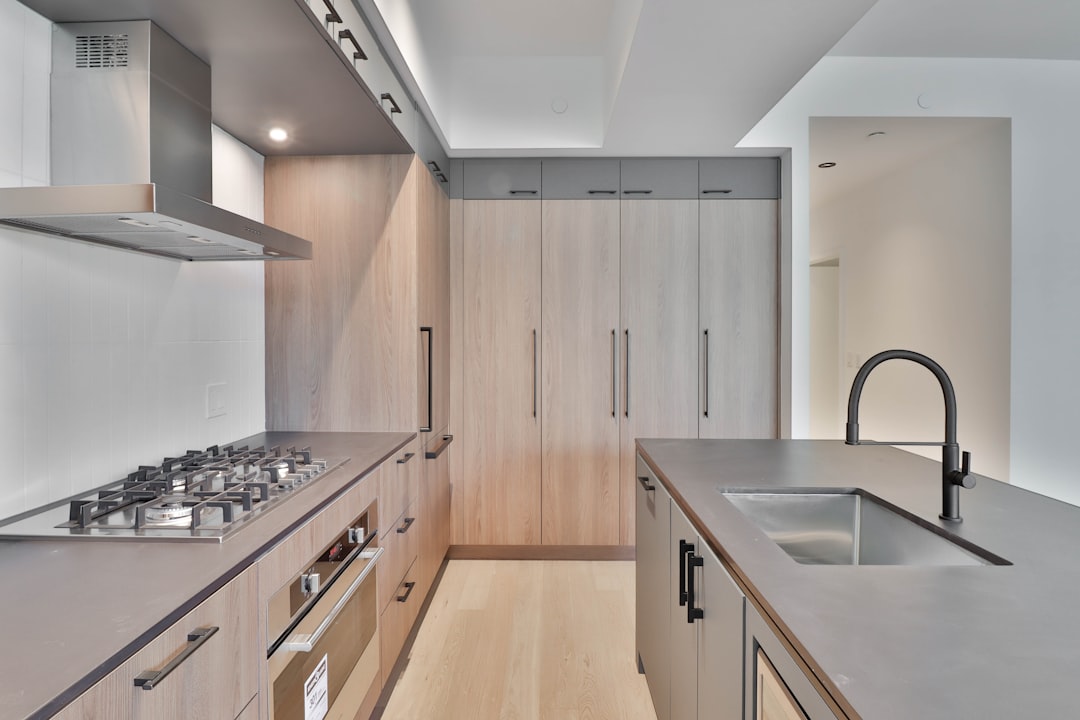
A home builder’s portfolio is one of the most important conversion tools on the website. Prospective clients want to see whether your work matches their taste, budget range, and expectations. Use professional, well-lit images that show exteriors, kitchens, bathrooms, living areas, details, and outdoor spaces. Whenever possible, organize your portfolio by home style, community, square footage, or project type.
Do not rely on photos alone. Add concise descriptions that explain the project’s goals, special features, materials, and challenges solved. For example, mention if a home was designed for a narrow lot, multigenerational living, lakefront conditions, or energy efficiency. This helps visitors imagine how your team could solve their own needs.
Make Navigation Simple and Purposeful
A high-converting website should not make people hunt for basic information. The main navigation should be simple and predictable. Most home building company websites need these pages:
- Home
- About
- Services
- Portfolio or Gallery
- Process
- Testimonials
- Contact
If you build in specific neighborhoods or regions, consider adding location pages. If you offer different services, such as custom homes, remodels, and design build services, give each one its own page. This improves clarity for visitors and helps search engines understand your expertise.
Use Calls to Action That Match Buyer Intent
Not every visitor is ready to request a quote immediately. Some are still researching, comparing builders, or defining their budget. Your website should offer calls to action for different stages of the decision process.
Examples include:
- Schedule a Consultation for serious prospects
- View Our Portfolio for early-stage researchers
- Download Our Building Process Guide for visitors seeking education
- Ask a Question for those who need a low-pressure first step
Place calls to action near the top of key pages, after persuasive sections, and again at the bottom. Use clear button text. Generic labels like “Submit” or “Learn More” are weaker than specific actions such as “Request a Project Consultation”.
Explain Your Process in Detail
Many homeowners are unfamiliar with the building process. They may worry about costs, delays, permits, design decisions, and communication. A clear process page can turn uncertainty into confidence.
Break your process into logical steps, such as discovery, budgeting, design, selections, permitting, construction, walkthrough, and warranty. Explain what the client can expect at each stage and how your team keeps the project organized. This demonstrates professionalism and helps filter out unqualified leads who are not ready for the realities of a building project.
Be careful not to overpromise. Serious buyers respect honest communication. Phrases such as “typical timelines vary based on permitting, selections, weather, and project complexity” show maturity and credibility.
Address Cost Without Creating Confusion
Many builders avoid discussing cost, but complete silence can cause visitors to leave. You do not need to publish exact prices if every project is custom. However, you should provide guidance that helps prospects understand what affects pricing.
Consider adding a section that explains major cost factors, including lot conditions, square footage, architectural complexity, materials, site preparation, finishes, and local requirements. If appropriate, provide general starting ranges or explain your minimum project size. This can improve lead quality by discouraging inquiries that are far outside your service level.
Optimize Contact Forms for Qualified Leads
Your contact form should be easy to complete but detailed enough to qualify inquiries. Ask for essential information only. A strong form may include name, email, phone number, preferred location, project type, estimated timeline, budget range, and a short message.
Avoid making the form feel like an interrogation. Use clear labels and reassure visitors that their information will be handled professionally. Also provide alternative contact options, including phone number, email address, office location, and business hours. Some high-value clients prefer a direct call over a form submission.
Ensure Mobile Speed and Performance
Many prospects will visit your site from a mobile device while driving through neighborhoods, browsing listings, or discussing options with family. A slow or difficult mobile experience can cost you leads. Your website should load quickly, display images properly, and make buttons easy to tap.
Compress images, limit unnecessary scripts, and test pages on multiple screen sizes. Portfolio pages are especially important because image-heavy layouts can become slow if not optimized. A beautiful website that takes too long to load will not convert well.
Support Conversions With Search Visibility
A high-converting website is more valuable when qualified prospects can find it. Use search-focused content that reflects real buyer intent. Pages should include service areas, home styles, project types, and common questions. For example, a page about custom home building in a specific city can attract local prospects who are actively evaluating builders.
Publish practical articles that answer serious questions, such as how to choose a home builder, what to ask during a consultation, how long custom homes take to build, and what affects construction costs. This type of content builds authority and brings in visitors before they are ready to contact a builder.
Measure, Improve, and Maintain
A website should not be treated as a one-time project. Review performance regularly. Track form submissions, phone clicks, page visits, traffic sources, and which portfolio pages receive the most attention. If many visitors reach your contact page but do not submit the form, the form may be too long, unclear, or poorly positioned.
Update your portfolio with recent work, replace outdated testimonials, and review all service information at least a few times per year. A neglected website can make even a capable builder appear inactive or disorganized.
Final Thoughts
A high-converting website for a home building company must do more than look polished. It needs to communicate trust, demonstrate proven capability, educate buyers, and make the next step simple. When your website clearly presents your work, your process, and your professionalism, it becomes a serious business asset rather than just an online presence.