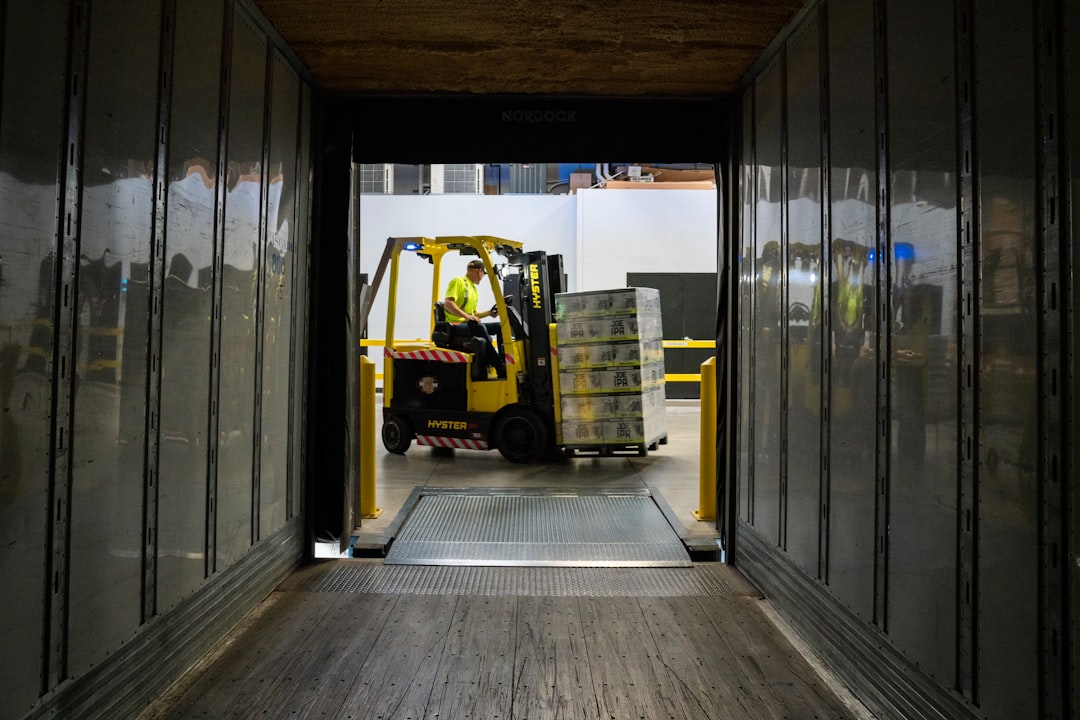
Picture a busy relay race. One runner hands the baton to the next. No one stops for a nap. No one builds a tiny house for the baton. That is the spirit of cross docking. Goods arrive at a warehouse, move across the dock, and leave again fast.
TLDR: Cross docking is a logistics method where products spend little or no time in storage. Items arrive at a facility, get sorted, and quickly ship out to stores, customers, or another destination. It can save money, speed up delivery, and reduce warehouse clutter. It works best when planning, timing, and communication are strong.
What Is Cross Docking?
Cross docking is a way to move goods through a distribution center with very little storage time. Products come in on one truck. They are unloaded, sorted, and loaded onto another truck. Then they move on.
Think of it like an airport layover for packages. The goods do not unpack. They do not settle in. They just switch rides.
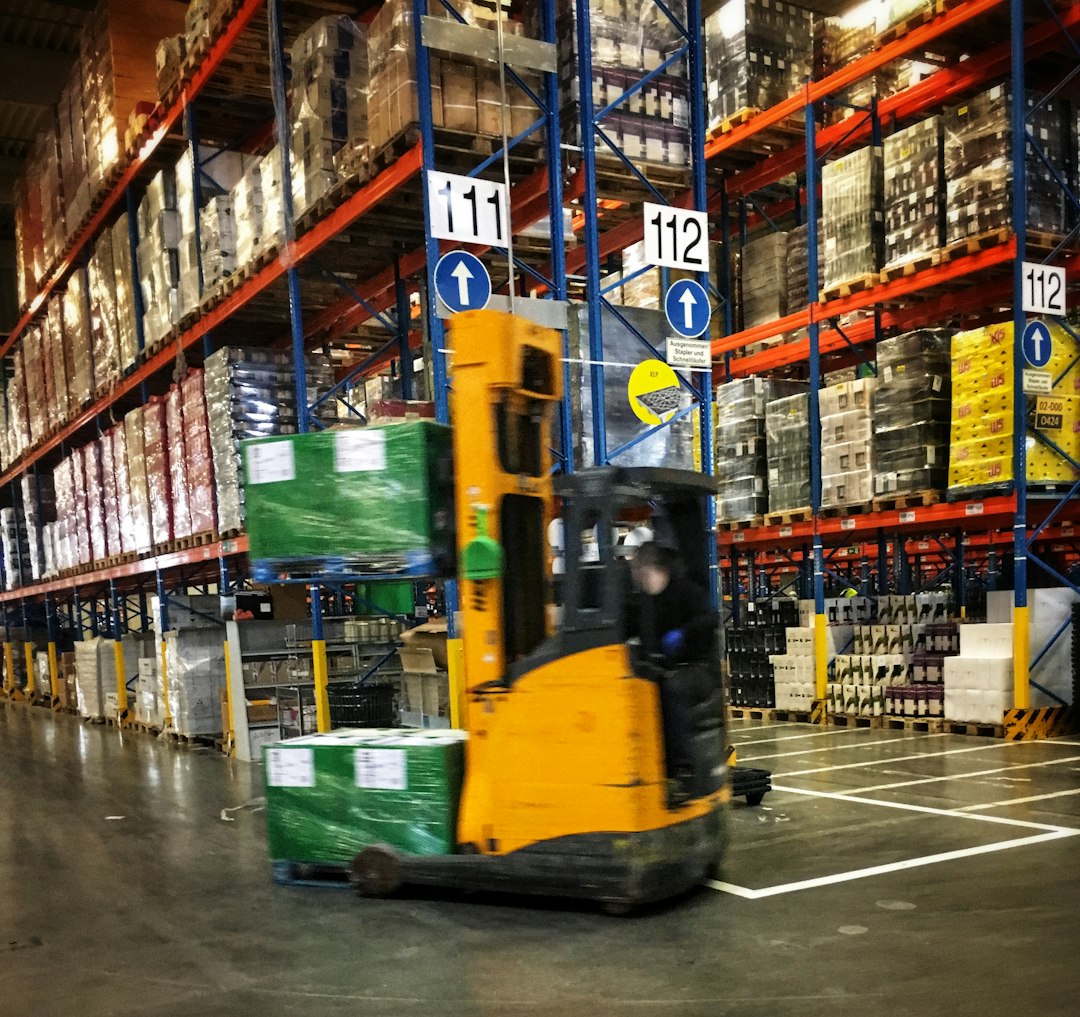
In a normal warehouse, products may sit on shelves for days, weeks, or even months. In cross docking, the goal is different. The goal is speed. Products may stay for only a few hours. Sometimes even less.
This method is common in retail, grocery, eCommerce, manufacturing, and transportation. It is useful when demand is clear and timing matters.
How Cross Docking Works
The process sounds simple. But behind the scenes, it needs careful planning. Trucks must arrive at the right time. Teams must know what is coming. Labels and data must be correct. If one part fails, the dock can become a traffic jam.
Here is the basic process:
- Goods arrive. Products come into the cross dock facility from suppliers, factories, or other warehouses.
- Items are checked. Workers scan labels, check paperwork, and confirm quantities.
- Products are sorted. Items are grouped by final destination, route, store, or customer order.
- Goods move across the dock. They travel from the receiving side to the shipping side.
- Outbound trucks are loaded. Products are placed onto the correct vehicle.
- Shipments leave. The goods continue their journey with little or no storage time.
That is why it is called cross docking. Goods literally move across the dock.
Types of Cross Docking
Not all cross docking is the same. Different businesses use it in different ways.
- Pre-distribution cross docking: Products are already assigned to a destination before they arrive. The team knows where each item must go.
- Post-distribution cross docking: Products are sorted after they arrive. The final destination is chosen based on current orders or demand.
- Retail cross docking: Products from many suppliers are sorted and sent to stores.
- Manufacturing cross docking: Parts and materials move quickly to production lines.
- Transportation cross docking: Shipments from different trucks are combined into new routes.
Each type has the same big idea. Move goods fast. Store less. Waste less time.
Benefits of Cross Docking
Cross docking can feel like giving your supply chain a pair of roller skates. When it works well, everything moves faster.
1. Faster Delivery
Products do not sit around waiting for someone to remember them. They move quickly from inbound to outbound transport. This helps businesses deliver faster to stores and customers.
2. Lower Storage Costs
Warehousing can be expensive. You need space, shelves, equipment, lighting, staff, and security. Cross docking reduces the need for long-term storage. That can lower costs.
3. Less Inventory Sitting Around
Inventory that sits too long can create problems. It can become outdated, damaged, or forgotten. This is especially true for food, medicine, fashion, and seasonal items. Cross docking keeps goods moving.
4. Better Use of Space
A crowded warehouse can feel like a messy closet. Cross docking helps clear the floor. Products flow through instead of piling up.
5. Lower Handling Costs
Every time a product is touched, it costs money. It can also get damaged. Cross docking reduces the number of times goods are handled. Fewer touches can mean fewer mistakes.
6. Fresher Products
This is huge for grocery and food businesses. Apples, milk, flowers, and frozen food do not enjoy long vacations in storage. Cross docking helps them reach stores while they are still fresh.

When Cross Docking Works Best
Cross docking is powerful. But it is not magic. It works best in the right conditions.
It is a good fit when:
- Demand is predictable.
- Sales data is accurate.
- Suppliers are reliable.
- Products are easy to sort.
- Shipping schedules are well planned.
- Technology can track goods in real time.
It is often used for high-volume products. These are items that move quickly and sell often. Think toilet paper, drinks, packaged food, phone chargers, or popular clothing basics.
It can also work well for promotional goods. For example, a retailer may need to send holiday decorations to hundreds of stores quickly. Cross docking can help make that happen.
When Cross Docking May Not Be a Good Fit
Cross docking is not perfect for every product. Some goods need storage. Some need special handling. Some have unpredictable demand.
It may not be ideal when:
- Orders change at the last minute.
- Suppliers often deliver late.
- Products need inspection or assembly.
- Demand is hard to forecast.
- Items are fragile or highly customized.
If timing is messy, cross docking can become stressful. Imagine trying to host a dinner party where every guest brings one ingredient, but nobody arrives on time. That is not dinner. That is chaos with plates.
Real-World Examples of Cross Docking
Walmart
Walmart is one of the most famous cross docking examples. The company uses large distribution centers to receive products from suppliers. Then goods are quickly sorted and sent to stores. This helps Walmart keep shelves stocked and prices low.
Grocery Chains
Many grocery stores use cross docking for fresh food. Produce, dairy, meat, and baked goods need speed. A shipment of strawberries should not sit in a back room for a week. Cross docking helps get it to the store fast.
Amazon and eCommerce
Large eCommerce networks use cross docking ideas to move popular products quickly. Items may arrive at a fulfillment center and be sent onward based on customer demand. The faster the flow, the happier the shopper.
Automotive Manufacturing
Car makers often need parts at the right place and time. Seats, tires, glass, and electronic parts may move through cross dock facilities before going to the factory. This supports lean manufacturing. It helps reduce extra inventory near the production line.
Simple Example: The Sneaker Story
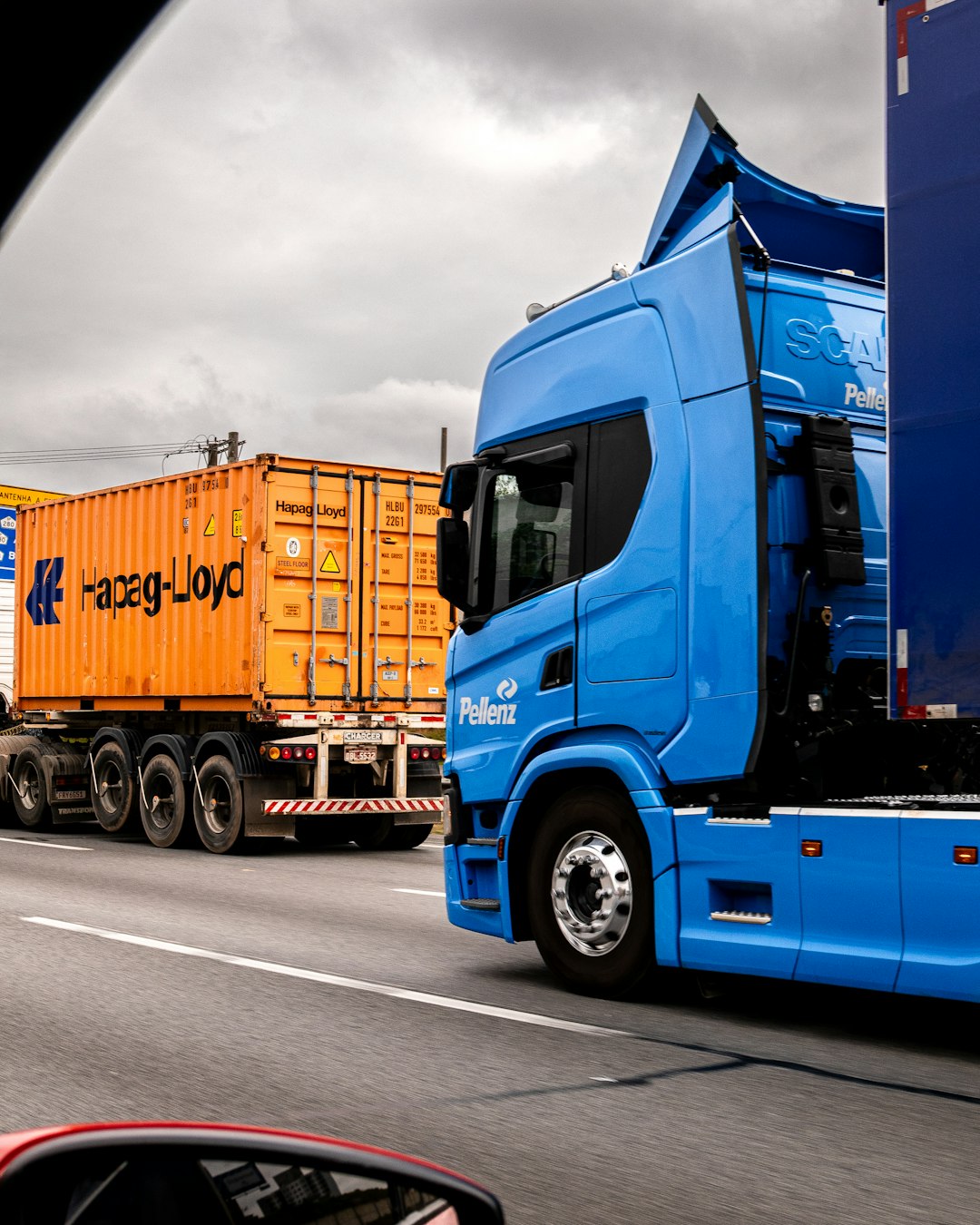
Let’s say a shoe company ships 10,000 pairs of sneakers to a distribution center. The sneakers are already planned for different stores.
When the truck arrives, workers scan the boxes. Some sneakers are sent to New York. Some go to Chicago. Some go to Dallas. The boxes move across the dock and onto new trucks. By the end of the day, they are on the road again.
No long storage. No dusty shelves. No lonely sneakers waiting for attention.
Key Tools That Help Cross Docking
Cross docking works better with the right tools. People still matter a lot. But technology keeps the dance in rhythm.
- Barcode scanners: They help track products fast.
- Warehouse management systems: They guide sorting and loading.
- Transportation management systems: They plan routes and truck schedules.
- Real-time tracking: It shows where shipments are now.
- Clear labels: They prevent mix-ups and delays.
Final Thoughts
Cross docking is a simple idea with big impact. Goods arrive. Goods get sorted. Goods leave. Fast.
It can reduce costs, speed up delivery, and keep inventory lean. But it needs strong planning and reliable partners. Without that, the smooth relay race can turn into bumper cars.
For businesses with fast-moving products, cross docking can be a smart move. It keeps the supply chain quick, clean, and ready for action. And in a world where customers want everything yesterday, that speed can make a real difference.