
Internships are often a person’s first sustained experience of professional teamwork. Interns may be capable, motivated, and eager to contribute, but they also need structured opportunities to build trust, communicate clearly, and gain confidence in a real workplace setting. Well-designed team building activities can help interns move beyond polite introductions and begin working together with purpose, accountability, and mutual respect.
TLDR: The best team building activities for interns are practical, inclusive, and connected to workplace skills. Activities such as problem-solving simulations, peer mentoring, communication workshops, and project-based challenges help interns build collaboration and confidence. The goal is not entertainment alone, but creating a safe environment where interns can contribute, learn from one another, and practice professional behaviors.
1. Problem-Solving Simulation
A problem-solving simulation gives interns a realistic challenge that requires them to assess information, divide responsibilities, make decisions, and present a solution. This could involve a mock client issue, a product improvement scenario, a process breakdown, or a resource allocation challenge. The activity works best when the task is complex enough to require collaboration, but not so difficult that interns feel overwhelmed.
For example, a group might be asked to propose a plan for reducing customer response time, improving onboarding materials, or organizing a small internal event. Each intern can take on a role such as researcher, coordinator, presenter, or analyst. This structure encourages participation and prevents more confident individuals from dominating the discussion.
Why it works: Interns practice listening, prioritizing, and explaining their reasoning. They also learn that strong collaboration is not about having the loudest voice; it is about combining different perspectives to reach a better outcome.
Facilitator tip: End with a short debrief. Ask what worked, what created confusion, and how the group handled disagreement. Reflection turns the activity from a simple exercise into a learning experience.

2. Peer Mentoring Circles
Peer mentoring circles are small groups of interns who meet regularly to discuss goals, challenges, workplace questions, and lessons learned. Unlike formal mentoring with a senior employee, peer circles help interns recognize that others are facing similar uncertainties. This can reduce anxiety and build a stronger sense of belonging.
A circle might meet once a week for 30 to 45 minutes. Each session can follow a simple structure: one person shares a recent challenge, the group asks clarifying questions, and then members offer suggestions or relevant experiences. Topics may include managing deadlines, asking for feedback, preparing for meetings, or understanding office communication norms.
Why it works: Confidence grows when interns realize they do not need to have every answer immediately. Peer mentoring also encourages empathy, active listening, and practical support.
Facilitator tip: Provide discussion prompts, but allow interns to guide the conversation. The most valuable insights often come from honest, peer-to-peer exchange.
3. Communication Style Workshop
Collaboration depends heavily on communication. Interns often enter the workplace with different assumptions about how to ask questions, give updates, disagree respectfully, or request clarification. A communication style workshop helps them understand these differences and develop shared expectations.
The workshop can include short assessments, role-playing exercises, and examples of common workplace situations. For instance, interns can practice turning vague updates into clear status reports, writing concise meeting summaries, or responding professionally when priorities change. They can also discuss how communication may differ across teams, managers, and company cultures.
Why it works: Interns gain practical language for professional interactions. They become more comfortable speaking up, asking better questions, and adapting their communication to the needs of the team.
Facilitator tip: Keep the tone constructive. The objective is not to label one style as better than another, but to help interns communicate with greater awareness and precision.
4. Cross-Functional Mini Project
A cross-functional mini project allows interns from different departments or disciplines to work together on a defined deliverable. This might include creating a short market research summary, improving an internal resource page, designing a feedback survey, or preparing recommendations for a team process.
The project should have a clear scope, a realistic deadline, and an audience for the final deliverable. Interns benefit from knowing that their work will be reviewed by real stakeholders, even if it is a low-risk assignment. This adds seriousness and encourages professional standards without creating unnecessary pressure.
Why it works: Interns learn how different functions contribute to organizational goals. A marketing intern may better understand operations, while a finance intern may see how data supports communication decisions. This broader perspective improves collaboration and helps interns feel more connected to the business.
Facilitator tip: Assign a sponsor who can answer questions and provide feedback, but avoid over-managing. Interns need enough autonomy to build ownership and confidence.
5. Strengths and Skills Exchange
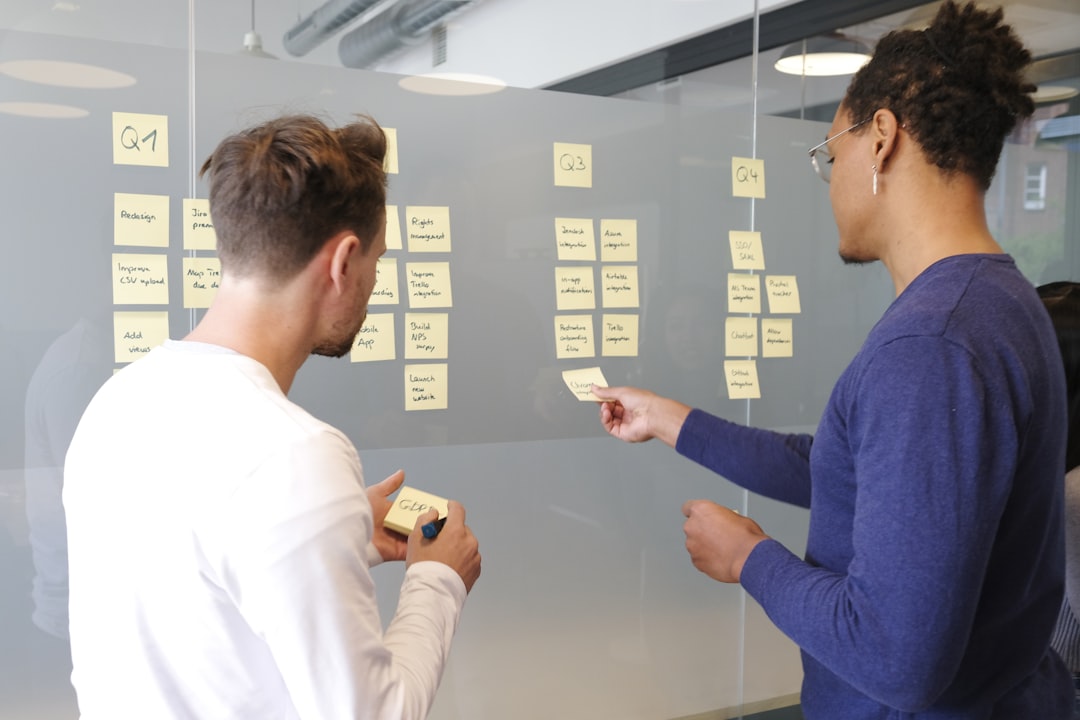
A strengths and skills exchange is a structured activity where interns identify what they can teach others and what they would like to learn. This may include technical skills, presentation techniques, research methods, spreadsheet shortcuts, design basics, public speaking, or time management strategies.
After listing skills, interns pair up or form small groups for short knowledge-sharing sessions. One intern might demonstrate how to organize data more efficiently, while another might explain how to prepare for a stakeholder presentation. The activity can be repeated throughout the internship as interns discover new areas of expertise.
Why it works: Interns often underestimate what they already know. Giving them an opportunity to teach builds confidence and reinforces the idea that everyone has something valuable to contribute.
Facilitator tip: Encourage practical demonstrations rather than long lectures. Short, focused exchanges are more engaging and easier to apply immediately.
6. Feedback and Reflection Session
Feedback is one of the most important parts of professional growth, but many interns find it intimidating. A team-based feedback and reflection session helps normalize constructive feedback and teaches interns how to receive it productively.
This activity can be conducted after a project, presentation, or team challenge. Each intern shares one contribution they are proud of, one area where they want to improve, and one thing they appreciated about another team member. Facilitators can introduce simple feedback models such as situation, behavior, impact to keep comments specific and respectful.
Why it works: Interns build emotional resilience and learn that feedback is not a personal judgment. They also develop the confidence to recognize their progress and acknowledge the contributions of others.
Facilitator tip: Establish ground rules before the session. Feedback should be specific, balanced, and focused on behaviors rather than personality traits.

How to Make Intern Team Building Effective
The success of these activities depends on thoughtful planning. Interns can quickly tell the difference between a meaningful development exercise and a forced social event. To make the experience valuable, organizations should connect each activity to a clear learning outcome.
- Keep activities inclusive: Avoid exercises that favor only extroverted personalities or competitive behavior.
- Set clear expectations: Explain the purpose, timeline, and desired outcome before the activity begins.
- Provide psychological safety: Interns should feel able to ask questions, make mistakes, and contribute without embarrassment.
- Use real workplace context: Activities are more effective when they reflect situations interns may actually encounter.
- Debrief every activity: Reflection helps interns connect the experience to professional growth.
It is also important to balance structure with autonomy. Too little structure can leave interns uncertain about what to do, while too much control can prevent ownership. The best approach gives interns a clear objective, supportive guidance, and room to make decisions as a team.
Final Thoughts
Intern team building should not be treated as a one-time orientation activity. Collaboration and confidence develop through repeated practice, honest feedback, and meaningful responsibility. When organizations invest in activities that reflect real workplace challenges, interns become more prepared to contribute effectively.
Problem-solving simulations, peer mentoring circles, communication workshops, cross-functional projects, skills exchanges, and feedback sessions all support different aspects of professional development. Together, they help interns build trust, understand their strengths, and engage more confidently with colleagues. A well-structured internship does more than introduce people to work; it helps them learn how to work well with others.