SEO in 2018 felt like a busy kitchen. Everyone had a tool. Everyone had a recipe. And everyone wanted the same thing: more traffic from Google.
TLDR: In 2018, the best SEO software depended on your job. Ahrefs was great for backlinks and competitor research. SEMrush was the all-in-one favorite for keywords, ads, and tracking. Moz Pro, Screaming Frog, Google Search Console, and Yoast SEO were also strong picks for different needs.
Why SEO Tools Mattered So Much in 2018
In 2018, SEO was not just about adding keywords to a page. That old trick was already tired. Google was smarter. Users were pickier. Websites had to be fast, useful, and easy to crawl.
So marketers needed help. They needed software that could find keywords. They needed tools that could check links. They needed crawlers that could spot broken pages. They needed dashboards that made sense before the third cup of coffee.
That is where SEO software came in. Some tools were like Swiss Army knives. Others were like tiny laser beams. Each had a job. Each had fans. Each had a few annoying quirks.

The Big Names in SEO Software in 2018
Let us look at the popular tools from 2018. These were the ones people talked about in agencies, blogs, and marketing groups.
1. Ahrefs
Ahrefs was a favorite for backlink research. It had a huge link index. That was its superpower. If you wanted to know who linked to your site, Ahrefs helped. If you wanted to spy on competitor links, Ahrefs really helped.
Its Site Explorer was the star. You could enter a domain and see backlinks, top pages, anchor text, and organic keywords. It felt like opening a secret drawer in your competitor’s office.
Best for: link building, competitor research, content ideas, keyword tracking.
Not so great for: beginners on a tight budget. It had many features, but the price could feel heavy.
2. SEMrush
SEMrush was the big all-rounder. It was not just an SEO tool. It also helped with paid ads, competitor traffic, keyword gaps, and content planning.
In 2018, many digital marketers loved SEMrush because it showed both organic and paid search data. That made it useful for SEO teams and PPC teams. It was like a marketing buffet. You could grab keywords, ad ideas, backlinks, and ranking reports from one place.
Best for: keyword research, competitor analysis, PPC research, rank tracking, site audits.
Not so great for: people who only needed one simple feature. It could feel crowded at first.
3. Moz Pro
Moz Pro had a strong name in 2018. Moz was known for education, helpful guides, and the famous Domain Authority score. Many beginners learned SEO from Moz before buying any tool.
Moz Pro offered keyword research, rank tracking, crawl reports, and link analysis. Its interface was friendly. It did not feel as scary as some other tools. That mattered a lot if you were new.
Best for: beginners, small teams, keyword discovery, simple SEO reporting.
Not so great for: power users who wanted the biggest backlink database or deepest competitor data.
4. Google Search Console
Google Search Console was free. That made it beautiful. It was not fancy. It did not try to impress you with fireworks. But it came straight from Google, so smart SEOs paid attention.
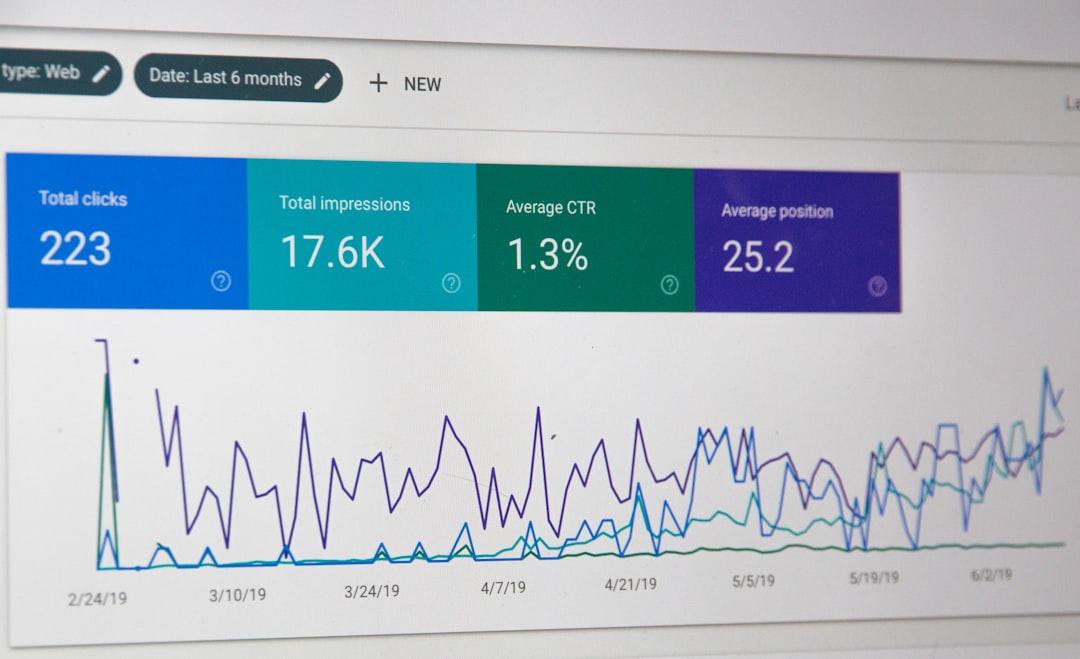
In 2018, Search Console helped you see search queries, clicks, impressions, crawl errors, index status, and manual actions. If Google had a problem with your site, this was often where you found the clue.
Best for: checking real Google data, fixing indexing issues, monitoring search performance.
Not so great for: full competitor research. It only showed your own site data.
5. Google Analytics
Google Analytics was another free must-have. It did not tell you everything about rankings. But it told you what users did after they landed on your site.
That was important. Traffic is nice. But traffic that runs away in three seconds is not as nice. Analytics helped you check bounce rate, sessions, conversions, pages, and traffic sources.
Best for: measuring traffic, user behavior, conversions, and content performance.
Not so great for: keyword data. Google had already hidden many organic keyword details under “not provided.” Yes, marketers sighed a lot.
The Technical SEO Heroes
Some SEO tools were not flashy. They did not give you pretty charts for social media. They crawled your site and found problems. That made them heroes in plain clothes.
6. Screaming Frog SEO Spider
Screaming Frog was a desktop crawler. The name was funny. The tool was serious.
You could crawl a website and find broken links, missing title tags, duplicate meta descriptions, redirect chains, large pages, and more. It was loved by technical SEOs. It was also useful during site migrations. In 2018, migrations without a crawler were like moving house with a blindfold on.
Best for: technical audits, broken links, redirects, duplicate content checks, metadata reviews.
Not so great for: complete beginners. The data could look like a big spreadsheet monster.
7. Yoast SEO
Yoast SEO was the famous WordPress plugin. If you used WordPress in 2018, you probably saw the Yoast traffic light system. Green felt good. Orange felt like homework. Red felt rude.
Yoast helped with title tags, meta descriptions, XML sitemaps, canonical tags, and basic content checks. It made on-page SEO easier for bloggers and small businesses.
Best for: WordPress on-page SEO, metadata, sitemaps, content reminders.
Not so great for: deep keyword research or backlink analysis. It was not built for that.
Other Popular SEO Tools in 2018
The main tools were not alone. Several other platforms had loyal users too.
- Majestic: Known for backlink data. It had metrics like Trust Flow and Citation Flow. Link builders liked it.
- SpyFu: Great for competitor keyword and ad research. It was especially useful for seeing what rivals had been bidding on.
- Serpstat: A growing all-in-one platform. It offered keyword data, rank tracking, audits, and competitor research at a lower cost than some bigger tools.
- KWFinder: Loved for simple keyword research. It made keyword difficulty easy to understand.
- Ubersuggest: In 2018, it was becoming more popular under Neil Patel. It offered keyword ideas and basic SEO data, with a beginner-friendly feel.
Quick Comparison: Which Tool Was Best?
There was no single winner for everyone. That would be too easy. And SEO does not like easy.
| Tool | Best Use | Skill Level |
|---|---|---|
| Ahrefs | Backlinks and competitor research | Intermediate to advanced |
| SEMrush | All-in-one SEO and PPC research | Intermediate |
| Moz Pro | Simple SEO reports and keyword work | Beginner to intermediate |
| Google Search Console | Real Google search data | All levels |
| Screaming Frog | Technical site audits | Intermediate to advanced |
| Yoast SEO | WordPress on-page SEO | Beginner |
Best Tool for Keyword Research
For keyword research in 2018, SEMrush, Ahrefs, and KWFinder were strong choices.
SEMrush was great if you liked competitor keyword data. You could see what terms competitors ranked for. You could also find keyword gaps. That was useful. It showed where rivals were winning and where you could sneak in.
Ahrefs also had strong keyword tools. Its keyword difficulty score was helpful. Its click data was also interesting. Some keywords had high search volume but low clicks. That meant users got answers right on Google. Sneaky Google.
KWFinder was the friendly option. It looked clean. It was easy to use. It was great for small teams that wanted simple keyword ideas without feeling lost.
Best Tool for Backlinks
For backlinks, Ahrefs was often the top pick in 2018. It found links fast. It showed lost links. It showed new links. It helped users study competitor link profiles in detail.
Majestic was also strong. Some link builders trusted its link metrics. They liked Trust Flow for judging link quality. It was less of an all-in-one tool, but it knew its lane.
If link building was your main game, Ahrefs and Majestic were like gym buddies. One had power. One had discipline. Both helped you lift your SEO.
Best Tool for Site Audits
For technical audits, Screaming Frog was hard to beat. It was fast. It was detailed. It showed issues that many cloud tools missed.
SEMrush also had a useful site audit feature. It was easier for non-technical users. It gave clear warnings and scores. That made it better for quick reports.
For serious audits, many SEOs used both. Screaming Frog found the raw details. SEMrush made the report look friendly. Together, they made a nice little audit sandwich.

Best Free SEO Tools in 2018
Not everyone had a big budget. Good news. Free tools still mattered.
- Google Search Console: Essential for search performance and indexing.
- Google Analytics: Essential for traffic and user behavior.
- Google Keyword Planner: Useful for keyword ideas, especially for ads.
- Yoast SEO free version: Helpful for WordPress basics.
- Screaming Frog free version: Good for crawling smaller sites, with limits.
If you were just starting in 2018, you did not need to buy everything. You could begin with Google Search Console, Google Analytics, and a WordPress plugin like Yoast. Then you could add paid tools when the work became bigger.
How to Choose the Right SEO Software
Choosing an SEO tool is like choosing a pet. Do not pick the loudest one. Pick the one you can actually care for.
Ask these simple questions:
- What is my main goal? More keywords, better links, cleaner pages, or better reports?
- How much can I spend? Paid SEO tools can get expensive fast.
- Who will use it? Beginners need simple dashboards. Experts may want raw data.
- Do I need competitor data? If yes, look at Ahrefs or SEMrush.
- Do I run WordPress? If yes, Yoast SEO can help with basics.
Simple Tool Stacks That Made Sense in 2018
Here are a few easy combinations.
For Bloggers
- Yoast SEO for on-page help.
- Google Search Console for search data.
- KWFinder or Ubersuggest for keyword ideas.
For Small Businesses
- SEMrush for keywords, audits, and competitors.
- Google Analytics for traffic tracking.
- Google Search Console for indexing and clicks.
For Agencies
- Ahrefs for backlinks and content research.
- SEMrush for reports and competitor analysis.
- Screaming Frog for technical audits.
- Google Data Studio for client dashboards.
Final Thoughts
SEO software in 2018 had something for everyone. Ahrefs was the backlink beast. SEMrush was the all-in-one toolbox. Moz Pro was friendly and educational. Screaming Frog was the technical detective. Google Search Console and Google Analytics were free tools you simply could not ignore.
The best choice depended on your needs. If you wanted links, pick a link tool. If you wanted keywords, pick a keyword tool. If your site was messy, crawl it. If you had no budget, start with Google’s free tools.
Most of all, remember this. SEO tools do not do the work for you. They show clues. You still need good content, smart fixes, and patience. Think of the software as a map. You still have to drive the little SEO car.