
Choosing where to invest your money for the next 10, 20, or even 40 years is a big deal. Two names stand out in 2026: Fidelity Investments and Vanguard. Both are giants. Both are trusted. Both offer low-cost funds and retirement accounts. But they are not the same. Let’s break it down in a simple and fun way so you can decide which one fits your long-term goals best.
TLDR: Fidelity offers more flexibility, better technology, and zero minimum investment on many funds. Vanguard focuses on ultra-low-cost index investing and a simple, no-frills experience. Both are excellent for long-term investors. If you love tools and options, Fidelity may win. If you love simplicity and classic index investing, Vanguard shines.
1. The Philosophy Behind Each Company
Before we look at fees and features, let’s talk about mindset.
Vanguard was built on one big idea: low-cost index investing wins over time. Founder John Bogle believed regular investors should keep costs low and stay invested. That’s it. Simple. Powerful.
Fidelity, on the other hand, offers both index funds and actively managed funds. It gives investors choice. Lots of it. Stocks. ETFs. Bonds. Crypto. Even fractional shares.
If investing were a personality type:
- Vanguard = Calm, steady, long-term thinker.
- Fidelity = Flexible, tech-savvy, variety lover.

2. Fees and Expenses: The Long-Term Game Changer
Fees matter. Even a small difference can cost thousands over decades.
Vanguard
- Known for ultra-low expense ratios.
- Many index funds cost under 0.05%.
- Some funds have minimum investments (often $1,000 to $3,000).
Fidelity
- Offers zero expense ratio index funds (yes, 0.00%).
- No minimum investment for many funds.
- $0 stock and ETF trades.
For beginners, Fidelity’s no-minimum policy is a big plus. You can start with $10 if you want. Vanguard may require more upfront for mutual funds, though ETFs usually have no minimum beyond share price.
Winner for lowest barrier to entry: Fidelity.
3. Investment Choices
Both platforms offer a wide selection. But there are differences.
What Vanguard Offers
- Index mutual funds
- ETFs
- Target-date retirement funds
- Bonds and bond funds
- Limited individual stock trading focus
Vanguard is ideal if you want to set it and forget it. Many investors choose a target-date fund and relax.
What Fidelity Offers
- Index funds
- Actively managed funds
- ETFs
- Individual stocks
- Options trading
- Crypto access (through partnerships)
- Fractional shares
Fidelity gives you more tools. More ways to customize. More room to experiment.
Winner for variety: Fidelity.
4. Technology and User Experience
In 2026, having a smooth app matters.
Fidelity has invested heavily in technology. Its mobile app is modern. Easy to use. Packed with research tools, screeners, and planning features.
Vanguard has improved its app over the years. It’s cleaner now. But it still feels simpler and more basic compared to Fidelity.
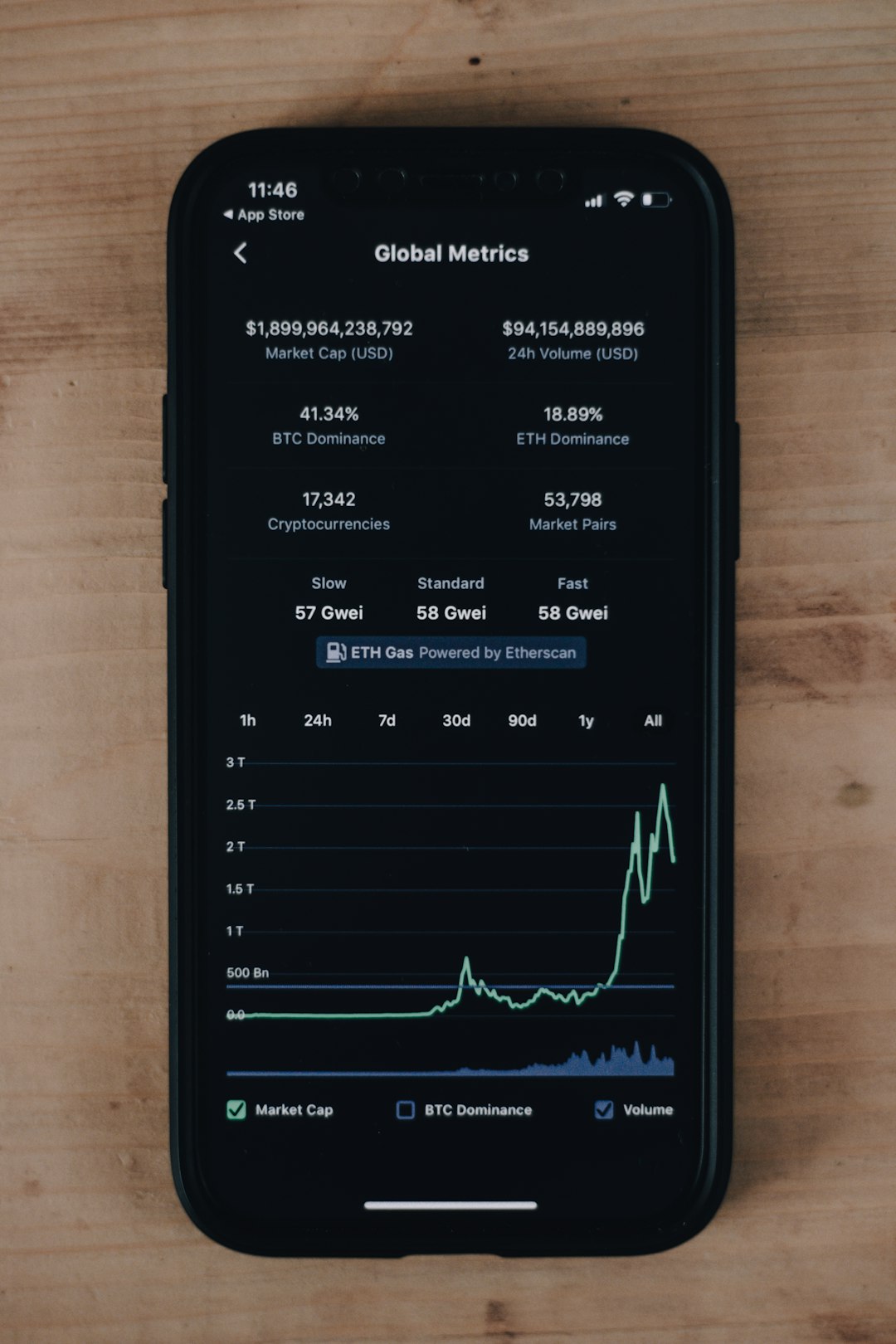
If you like detailed analytics, research reports, and planning calculators, Fidelity feels stronger.
If you like clean and minimal, Vanguard works just fine.
Winner for tech lovers: Fidelity.
5. Retirement Accounts
Both companies shine here.
You can open:
- Traditional IRA
- Roth IRA
- SEP IRA
- Solo 401(k)
- 529 college savings plans
Both platforms make it easy to automate contributions. That’s key for long-term investing.
Vanguard target-date funds are extremely popular for retirement. They automatically adjust risk as you age.
Fidelity offers similar target-date funds. Plus, more actively managed retirement options if you prefer that style.
This one is a tie.
6. Customer Service
Long-term investing means long-term relationships.
Fidelity is widely praised for customer service. Many investors report fast response times and helpful reps.
Vanguard’s service is solid but sometimes slower during high-volume periods.
If you think you’ll want frequent support, Fidelity may feel more responsive.
Small edge: Fidelity.
7. The Big Comparison Chart
| Feature | Fidelity | Vanguard |
|---|---|---|
| Minimum Investment | $0 for many funds | $1,000–$3,000 for many mutual funds |
| Expense Ratios | As low as 0.00% | Very low, often under 0.05% |
| Stock Trading Fees | $0 | $0 |
| Fractional Shares | Yes | Limited |
| Crypto Access | Yes (via partnerships) | No direct offering |
| Mobile App | Advanced and feature-rich | Simple and clean |
| Best For | Flexible, hands-on investors | Passive, long-term index investors |
8. Long-Term Performance
Here’s the truth. Over 30 years, your asset allocation matters more than your platform.
If you invest in similar low-cost index funds on either platform, your returns will likely be very close.
For example:
- Fidelity Total Market Index Fund
- Vanguard Total Stock Market Index Fund
Both track similar indexes. Both are low cost. Both perform almost identically over time.
The real difference comes down to behavior. Will you stay invested? Will you avoid panic selling? Will you keep contributing?
The platform should help you stay consistent.

9. Which Is Better for Beginners?
Fidelity is often easier for beginners in 2026 because:
- No minimum investments
- Fractional shares
- Educational resources
- Planning tools
You can start small. Learn. Grow.
Vanguard is great too. But it feels more focused on investors who already believe in index investing philosophy.
Beginner-friendly award: Fidelity.
10. Which Is Better for Hardcore Passive Investors?
If your plan is simple:
- Buy a total market index fund
- Add a bond fund
- Invest every month
- Do nothing else for 30 years
Vanguard might feel perfect. It stays true to passive investing roots. Its structure as a client-owned company also appeals to many long-term investors.
Passive investing purity award: Vanguard.
11. Safety and Trust
Both companies are extremely well established.
- Both are SIPC insured.
- Both manage trillions of dollars.
- Both have been around for decades.
From a safety perspective, you are in good hands with either one.
Final Verdict: Which Platform Wins in 2026?
There is no dramatic knockout winner. Both are excellent.
Choose Fidelity if you:
- Want zero minimum investments
- Like advanced apps and research tools
- Want access to individual stocks, options, or crypto
- Appreciate flexible investing choices
Choose Vanguard if you:
- Believe strongly in passive index investing
- Prefer a simple, clean platform
- Plan to use target-date or index mutual funds
- Want a company built around investor ownership
In the end, long-term success is not about picking the “perfect” platform. It’s about starting early. Investing often. Keeping costs low. Staying patient.
If you do those things, both Fidelity and Vanguard can help you build serious wealth by 2046 and beyond.
The best platform is the one you actually use consistently.