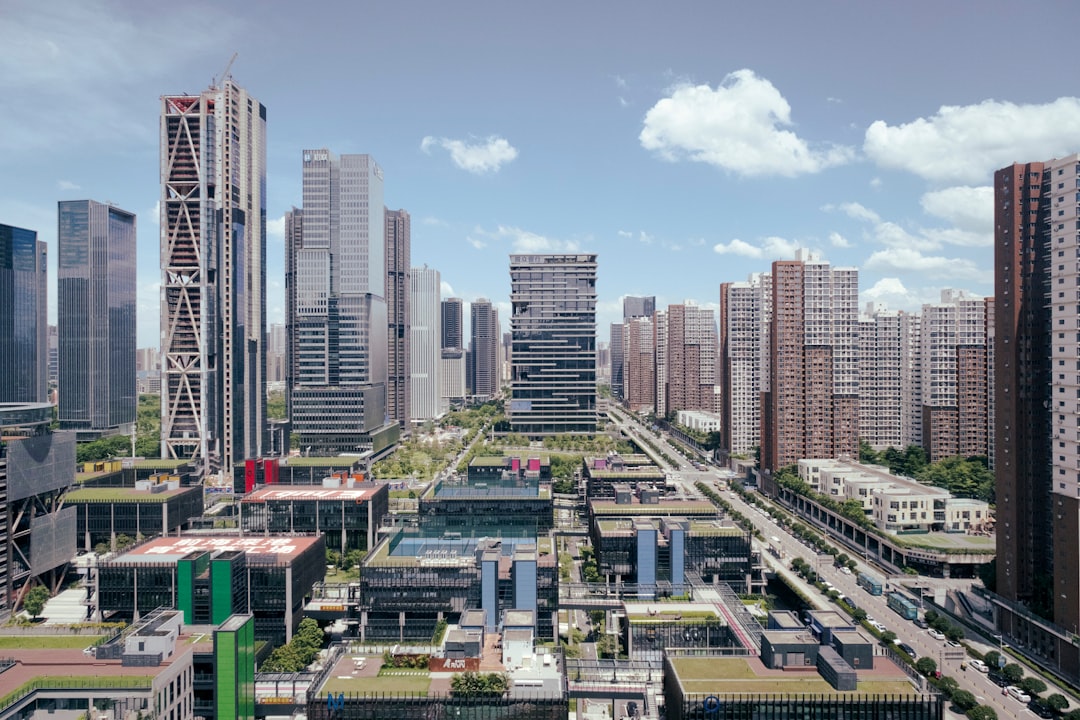
Cities today are living, breathing systems—centers of innovation, culture, trade, and opportunity. Yet they are also under increasing strain. Rapid urbanization, traffic congestion, housing shortages, climate pressures, and infrastructure decay are converging in ways that traditional planning models struggle to address. As urban populations expand and expectations for livability rise, the need for smarter, more adaptive solutions becomes urgent. This is where Axurbain emerges as a transformative force in tackling the most pressing urban challenges of our time.
TLDR: Axurbain offers an integrated, forward-thinking framework for solving the complex problems modern cities face. By combining data intelligence, sustainable design, community engagement, and technological innovation, it moves beyond piecemeal fixes toward holistic urban transformation. Its strength lies in adaptability, collaboration, and long-term resilience. For cities aiming to thrive in the 21st century, Axurbain provides both the blueprint and the tools for meaningful progress.
Understanding the Urban Challenge
More than half the world’s population now lives in cities, and that figure continues to grow. While urban density can drive economic growth and innovation, it also creates friction across multiple systems simultaneously:
- Transportation overload leading to congestion and air pollution
- Housing affordability crises fueled by demand outpacing supply
- Environmental degradation from emissions and waste
- Infrastructure strain as aging systems fail under modern demands
- Social inequality exacerbated by uneven access to services
Historically, cities have addressed these issues in isolation—transportation departments tackling mobility, housing authorities focusing solely on real estate, and environmental agencies managing emissions independently. This siloed approach rarely delivers lasting change because urban systems are deeply interconnected. A transportation improvement affects housing, economic opportunity, and environmental outcomes all at once.
Axurbain stands apart because it treats cities not as disjointed departments, but as unified ecosystems.
The Axurbain Philosophy: Integration Over Isolation
At its core, Axurbain is built on a simple yet profound principle: urban challenges require integrated thinking. Instead of layering new policies atop outdated systems, Axurbain reimagines urban environments through holistic design and intelligent coordination.
This means:
- Aligning infrastructure planning with environmental goals
- Using real-time data to inform adaptive governance
- Embedding community participation into development processes
- Designing public spaces that serve multiple functions simultaneously
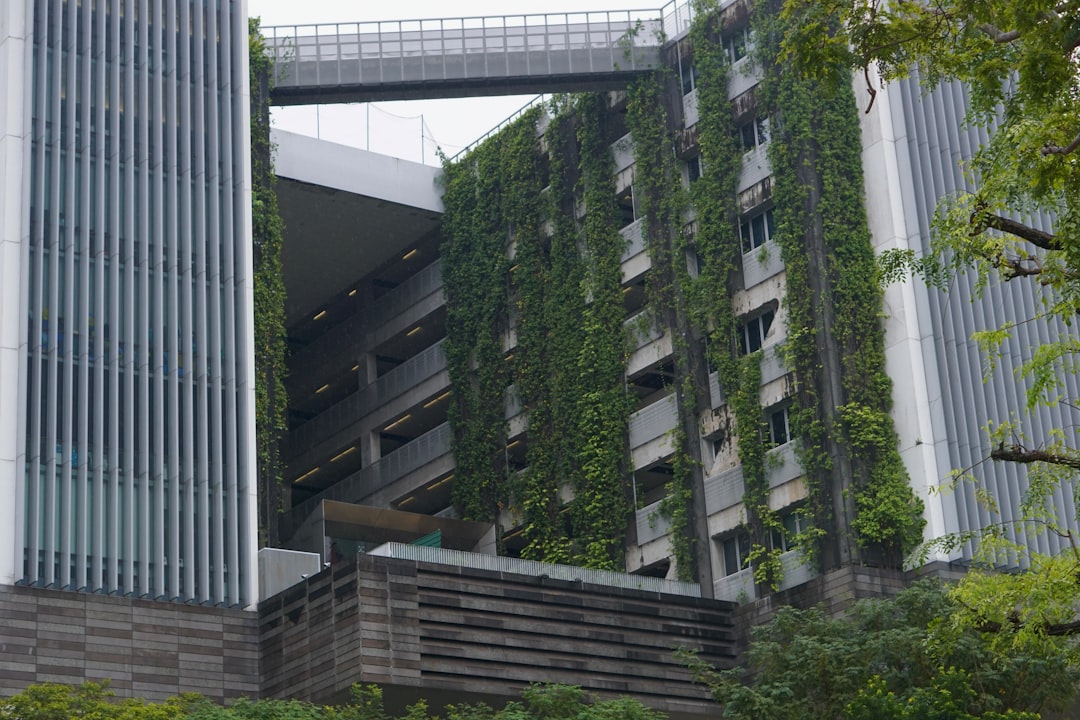
Imagine a transportation corridor designed not just for vehicle movement, but incorporating green spaces, community hubs, mixed-use development, and renewable energy integration. This layered approach is emblematic of the Axurbain model.
Smart Technology as an Enabler
While technology alone cannot fix cities, it plays a crucial enabling role within the Axurbain framework. Smart sensors, predictive analytics, artificial intelligence, and Internet of Things (IoT) networks provide the real-time feedback necessary for adaptive governance.
For example:
- Traffic signals that adjust dynamically based on congestion patterns
- Energy grids that balance load according to demand fluctuations
- Waste management systems optimized through route analytics
- Air quality monitoring that informs public health interventions
Axurbain leverages these tools not as flashy add-ons but as integrated components within broader urban strategies. Data becomes the connective tissue linking policy, design, and daily life.
Crucially, Axurbain also addresses concerns about privacy and equity in digital systems. Transparent governance structures and inclusive digital policies ensure that smart city initiatives benefit all residents rather than deepening existing divides.
Sustainability at the Core
No discussion of modern urban challenges can ignore climate change. Cities account for a significant portion of global greenhouse gas emissions while also being highly vulnerable to climate impacts such as flooding and heatwaves.
Axurbain positions sustainability as a foundational principle rather than an afterthought. Its environmental strategy focuses on:
- Carbon reduction through renewable integration and energy efficiency
- Climate-adaptive infrastructure like permeable surfaces and green corridors
- Circular economies that reduce waste and promote reuse
- Transit-oriented development to reduce car dependency
The strength of Axurbain lies in embedding these measures into every level of planning. A housing development, for instance, would integrate passive design principles, local energy generation, accessible transit, and shared public amenities—ensuring environmental, social, and economic benefits align.
Human-Centered Urban Design
Technology and sustainability are critical, but cities ultimately exist for people. Axurbain’s human-centered approach ensures that residents remain the focal point of innovation.
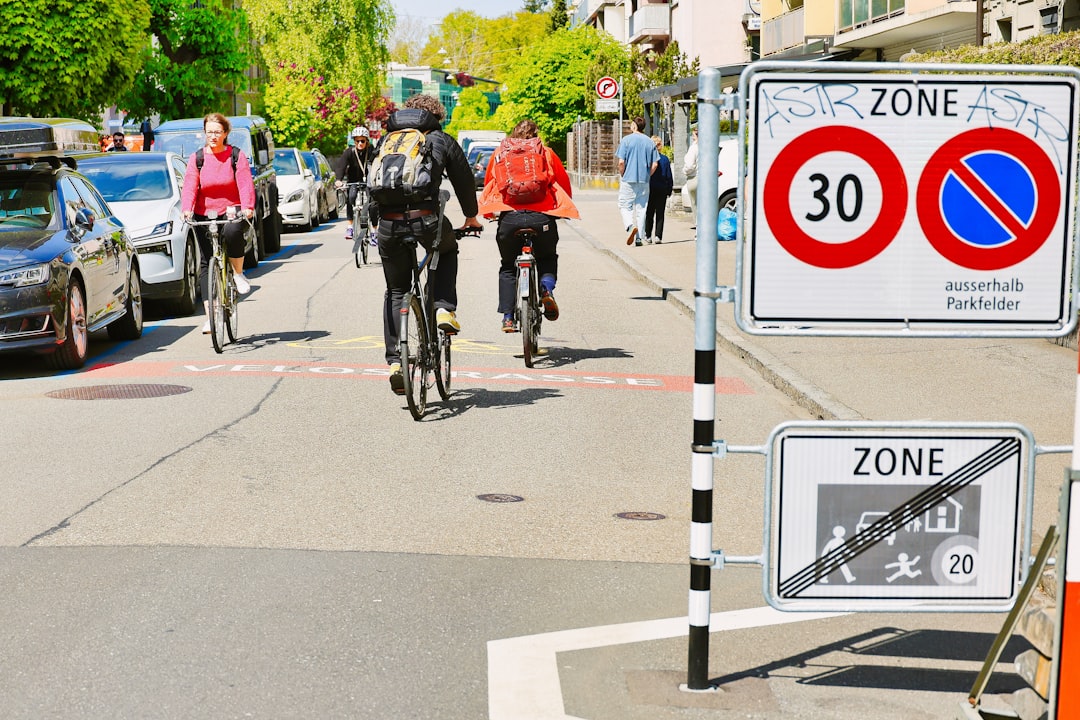
This perspective draws from behavioral science, public health research, and community engagement practices to shape environments that promote wellbeing. Walkable neighborhoods, accessible public transportation, safe public spaces, and mixed-income housing are prioritized not just for efficiency, but for social cohesion.
Research consistently shows that thoughtfully designed cities foster:
- Improved physical health through active mobility
- Stronger community bonds
- Enhanced economic participation
- Greater civic engagement
Axurbain frameworks employ participatory planning methods—town halls, digital platforms, collaborative workshops—to ensure development reflects diverse voices. By engaging citizens early and often, urban initiatives gain legitimacy and sustainability.
Economic Resilience and Opportunity
Urban vitality depends heavily on economic resilience. In an era of shifting labor markets and global economic volatility, cities must adapt quickly to remain competitive.
Axurbain addresses economic challenges by encouraging:
- Innovation districts connecting startups with research institutions
- Mixed-use zoning that stimulates local entrepreneurship
- Infrastructure investment that attracts sustainable industries
- Workforce development programs aligned with future skill demands
Rather than relying solely on large external investments, Axurbain builds internal capacity. Local economies become diversified and more resilient to global shocks. Small businesses gain access to improved mobility networks and digital resources, while residents benefit from new job pipelines tied to green and tech sectors.
Infrastructure for the Future
One of the most visible urban challenges is aging infrastructure. Roads deteriorate, water systems leak, and public transit struggles to meet demand. Traditional maintenance cycles often respond reactively—fixing breakdowns rather than anticipating them.
Axurbain employs predictive maintenance strategies powered by data analytics. Sensors embedded within infrastructure provide early warnings of structural stress or system inefficiencies. Governments can then allocate resources strategically, reducing both costs and disruptions.
Beyond maintenance, Axurbain prioritizes modular and flexible infrastructure. This ensures that as demographics shift or technologies evolve, cities can adapt without massive overhauls. Flexibility becomes a feature, not an afterthought.
Equity as a Cornerstone
Urban innovation that benefits only a portion of residents ultimately deepens inequality. Axurbain explicitly integrates equity metrics into planning evaluation. Affordable housing quotas, accessible transit routes, digital inclusion initiatives, and equitable public space distribution are core performance indicators.
By measuring outcomes across income groups and neighborhoods, Axurbain ensures that progress does not concentrate in already prosperous districts. This equity lens is not merely ethical—it strengthens the overall resilience and stability of the city.
Why Axurbain Matters Now
The urgency of urban transformation has never been greater. Demographic growth, climate unpredictability, and technological acceleration are converging. Incremental reform is no longer sufficient.
Axurbain matters because it offers:
- A systems-based framework replacing disconnected approaches
- Scalable solutions adaptable to cities of varying sizes
- Evidence-driven processes supported by real-time data
- Community-first methodologies ensuring inclusive growth
It bridges the gap between visionary urban theory and actionable implementation. Instead of asking whether cities can become smarter, greener, and more equitable, Axurbain demonstrates how.
Looking Ahead
The cities that thrive in the decades ahead will be those capable of continuous learning and adaptation. Axurbain is not a static template but a living model—evolving as technologies advance, social priorities shift, and environmental realities intensify.
Urban challenges are undeniably complex, but complexity need not breed paralysis. With integrated thinking, human-centered design, sustainable systems, and adaptive technology, cities can become engines of resilience and opportunity.
Axurbain stands at the intersection of these forces. By uniting policy, community, infrastructure, and innovation within a cohesive framework, it offers one of the most promising pathways to solving urban challenges today. In doing so, it reframes cities not as problems to manage, but as ecosystems capable of thriving under thoughtful stewardship.