In an era defined by digital transformation, social media continues to evolve at an unprecedented pace. As we approach 2026, it has become more than just a platform for sharing updates or entertainment. Social media now plays a critical role in shaping public opinion, driving business strategies, and influencing global trends. Understanding its nuances and knowing how to navigate the landscape thoughtfully is essential for individuals, brands, and organizations alike.
TL;DR
By 2026, social media is more powerful and complex than ever before. Key points include the growing dominance of visual-first platforms, the increased impact of artificial intelligence in content curation and moderation, the prioritization of authenticity and community engagement, evolving privacy concerns, and the vital role of regulations across global jurisdictions. Staying informed about these developments is crucial for responsible and effective use of social media in both personal and professional settings.
1. The Rise of Visual-First and Short-Form Content
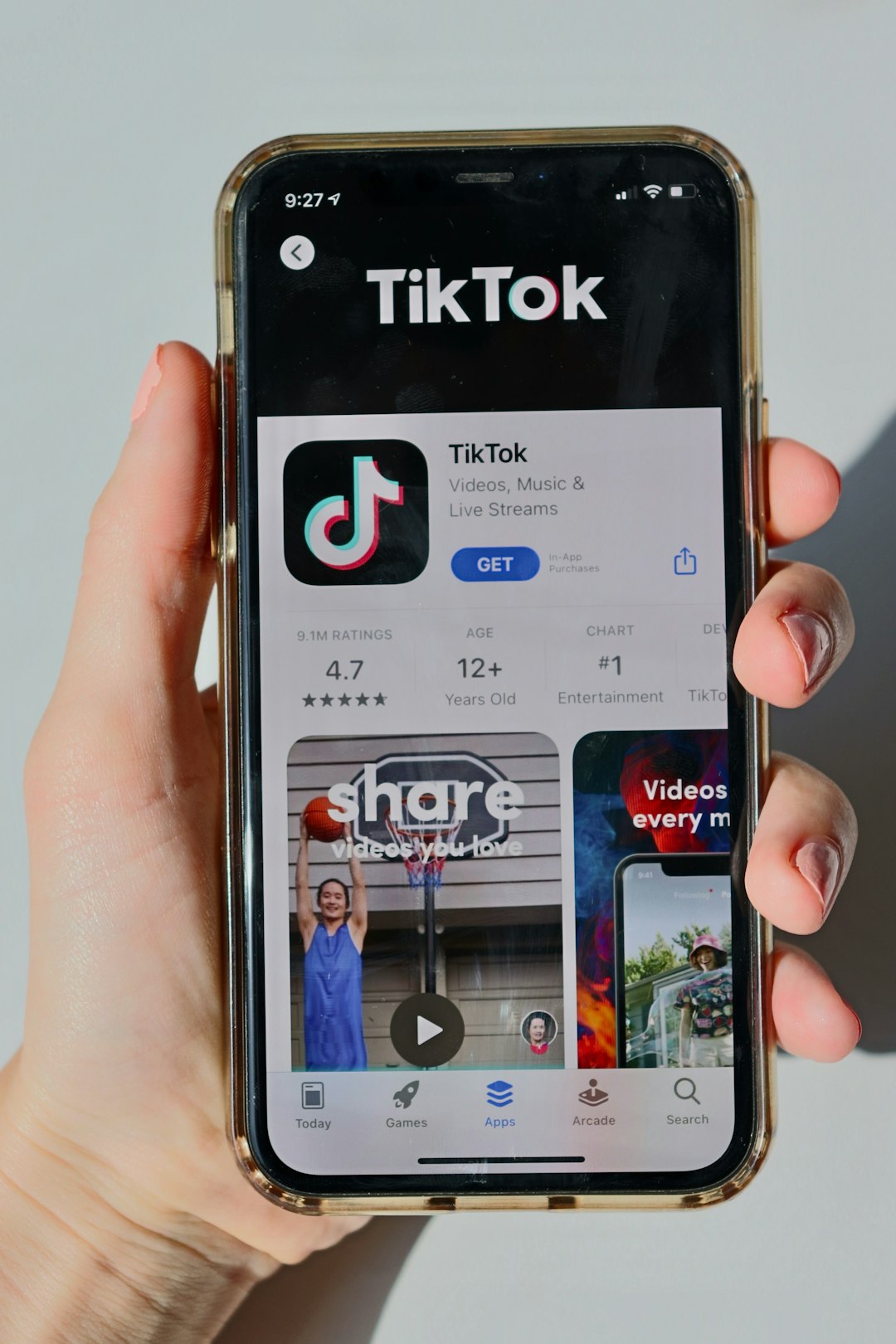
Visual-first content has become the hallmark of social media engagement in 2026. Platforms like TikTok, Instagram Reels, and YouTube Shorts dominate user interaction metrics. The human brain processes images much faster than text, which explains why visual formats are proving more effective in capturing attention and driving engagement.
Moreover, the average attention span continues to shrink, and as a result, short-form videos—typically under 90 seconds—are the go-to medium for consumption, particularly among younger demographics like Gen Z and Gen Alpha. These formats are easily digestible, highly shareable, and adaptable across various platforms.
- Instagram Reels: Heavily integrated with e-commerce features for seamless product discovery.
- Snapchat Stories: Still relevant, especially in the 13-24 demographic.
- YouTube Shorts: Expanded monetization options make it attractive for creators.
Brands have also pivoted to using visual content for their campaigns, focusing on storytelling through quick, immersive experiences. This trend emphasizes the importance of high-quality video production, creative visual planning, and on-platform familiarity with visual design tools.
2. Artificial Intelligence: The Silent Architect of Social Media
Artificial Intelligence (AI) has moved from the periphery to the core of social media functionality. As of 2026, AI governs everything from content curation and recommendation algorithms to automated moderation and AI-generated influencers. The sophistication of AI has grown to a point where it can generate photorealistic images, synthetic audio, and highly personalized content feeds based on a user’s psychological profile.
For brands and marketers, AI facilitates advanced audience targeting through localized sentiment analysis, predictive engagement patterns, and even content personalization at scale. For users, this can mean a more tailored experience but also raises ethical and privacy concerns.
- Deepfake Detection: Platforms are investing heavily in tools to identify AI-generated misinformation or impersonation.
- Chatbots and Virtual Customer Service: AI-driven avatars are replacing traditional customer service models on social channels.
- Algorithm Transparency: Under increasing scrutiny, companies are pressured to disclose how AI determines feed content.
It’s essential to stay vigilant. AI in social media isn’t inherently positive or negative—it all depends on the intent and governance behind it.
3. The Shift Toward Authenticity and Community-Centric Engagement
Gone are the days when polished influencer posts reigned supreme. In 2026, the most effective social media strategies hinge on authenticity and genuine community interaction. Platforms like BeReal paved the way, and today, nearly every major social network incorporates real-time or daily “moment” sharing features that prioritize sincerity over perfection.
Users now expect a two-way dialogue rather than one-sided content dissemination. Businesses and creators who actively listen and respond to their audience are seeing stronger engagement and loyalty metrics.
This cultural shift also applies to brand values. Consumers increasingly align with companies that demonstrate social responsibility, transparency, and empathy.
- Employee Spotlights and Behind-the-Scenes content help build trust.
- Community-driven features like customer polls and Q&As are more prevalent.
- Shared values act as the new “ad currency”—a well-voiced brand mission can outperform a sleek ad.
Authenticity isn’t just a trend—it’s a movement that reflects a deeper societal push for sincerity in an age of overwhelming digital noise.
4. Increasing Emphasis on Data Privacy and Digital Well-being
As algorithms become more invasive and data collection more advanced, users are demanding better control over their digital footprint. The line between personalization and surveillance is increasingly thin, sparking legal, ethical, and technological debates.
In 2026, heightened data privacy regulations—spearheaded by laws such as the GDPR 2.0 in Europe, India’s Data Protection Act, and emerging U.S. federal privacy standards—have reshaped how platforms handle user data. Users now see clearer privacy notices, more granular data opt-in settings, and the ability to audit their own data profiles.
- Encrypted Messaging has become standard on most platforms.
- Time-Limited Feed Scrolling features offer users better control of screen time.
- “Right to Disconnect” becomes an employer-employee consideration in hybrid work cultures.
Digital well-being tools have matured. Platforms now offer mood-tracking analytics, AI-generated journal prompts, and scroll-reduction programs to promote healthier online behaviors. These additions reflect a broader recognition of the psychological toll constant connectivity can bring.
5. Regulation Continues to Evolve—and Impact Users Worldwide
One of the most significant developments leading into 2026 has been the role of national and international regulation in shaping social media practices. The digital frontier is no longer a lawless place; governments and watchdog organizations are stepping in more forcefully.
From content moderation laws to antitrust measures targeting tech giants, the platforms must now comply with an increasingly complex web of legal requirements—impacting not just how content is shared, but who can access what, and when.
- Cross-border Data Flow Restrictions affect cloud storage policies and influencer campaign logistics for international brands.
- Fake News Prevention Laws mandate that platforms flag or remove misleading content swiftly or face hefty fines.
- Anti-Addiction Mandates in regions like South Korea and Finland limit engagement hooks such as autoplay and endless scroll for underage users.
For users, this means increased protection, but also potential limitations. For example, geo-targeted content restrictions and licensing permissions can change the social media experience from one region to the next.
Final Thoughts
The social media landscape of 2026 is a tapestry woven from innovation, regulation, and evolving consumer values. Understanding these five key areas—visual-first content, AI integration, authentic engagement, privacy focus, and regulation—is necessary for anyone seeking to thrive in today’s digital ecosystem.
Whether you’re a professional marketer, a casual user, or a policy advocate, staying informed and adaptable is your best strategy to harness the immense potential of social media while mitigating its risks. As the pace of change shows no signs of slowing down, this guide offers a critical foundation to help you navigate the future confidently and responsibly.